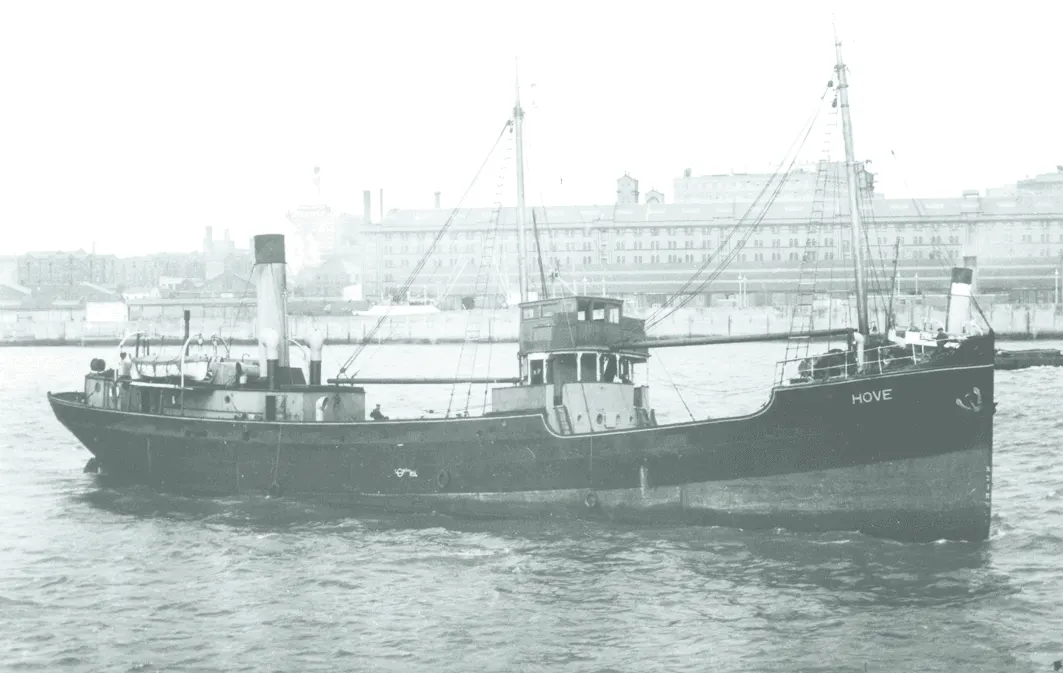
The Hove 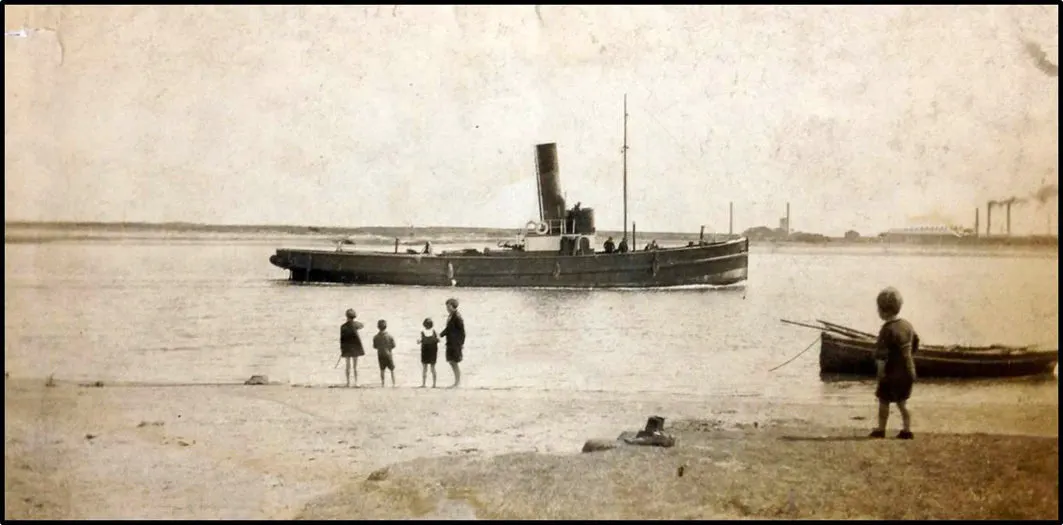
The Taliesin 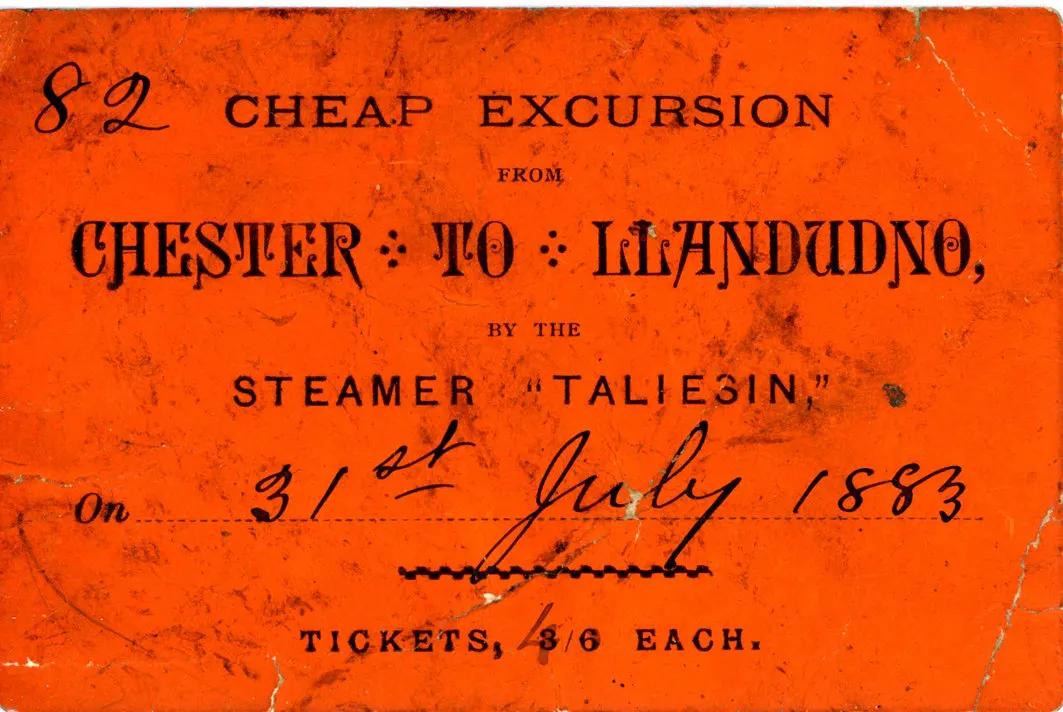
Day ticket on the Taliesin 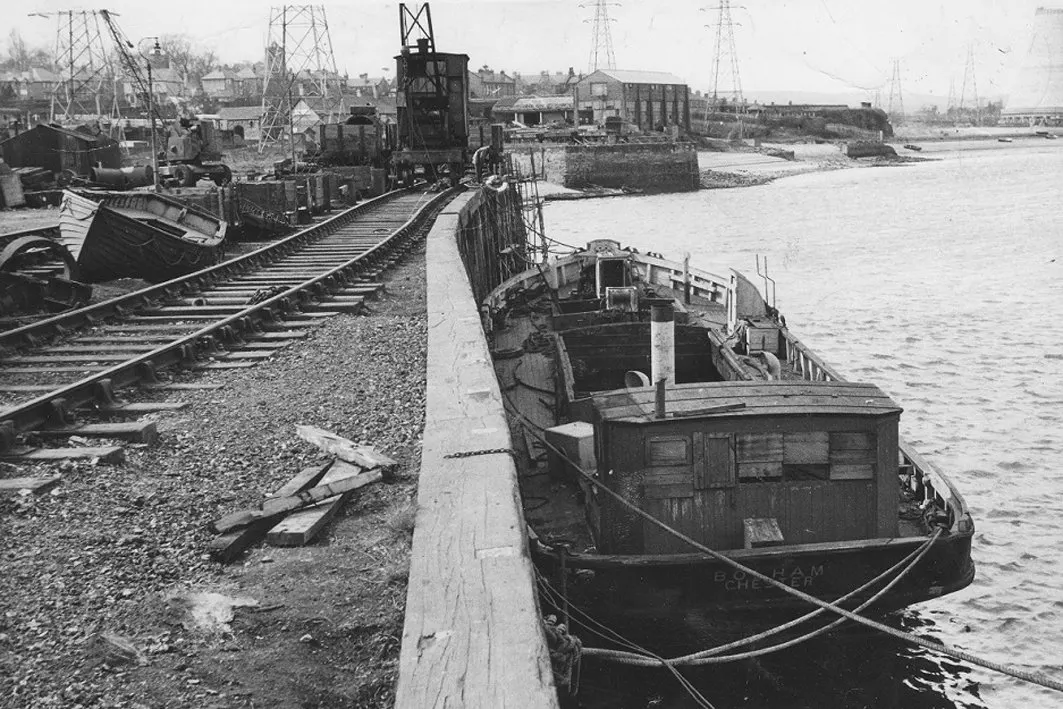
The Bolham moored at the docks 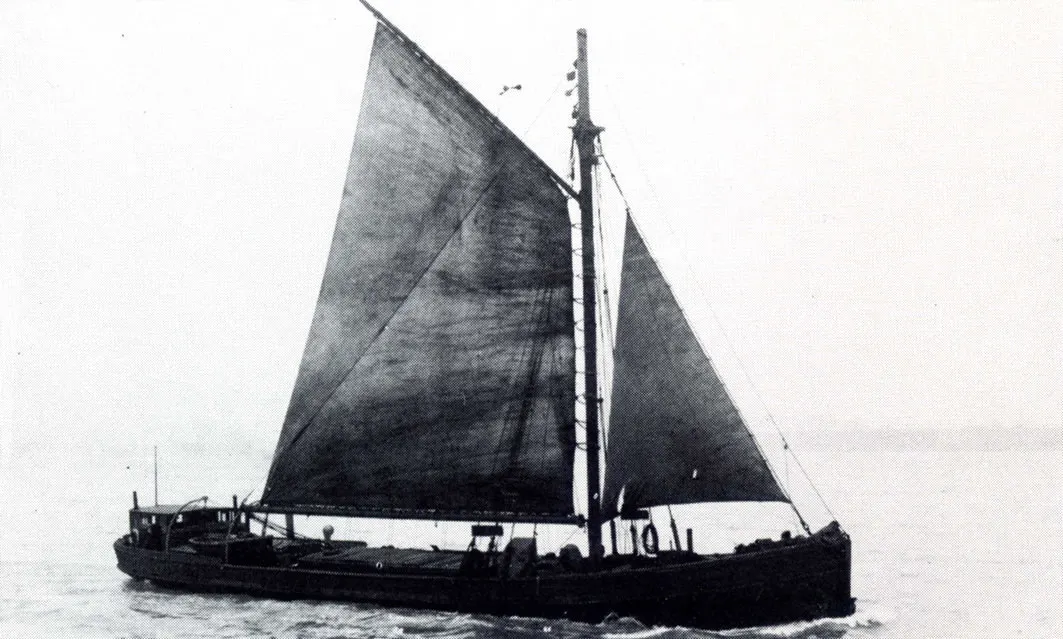
The Bolham in the Mersey, 1940s 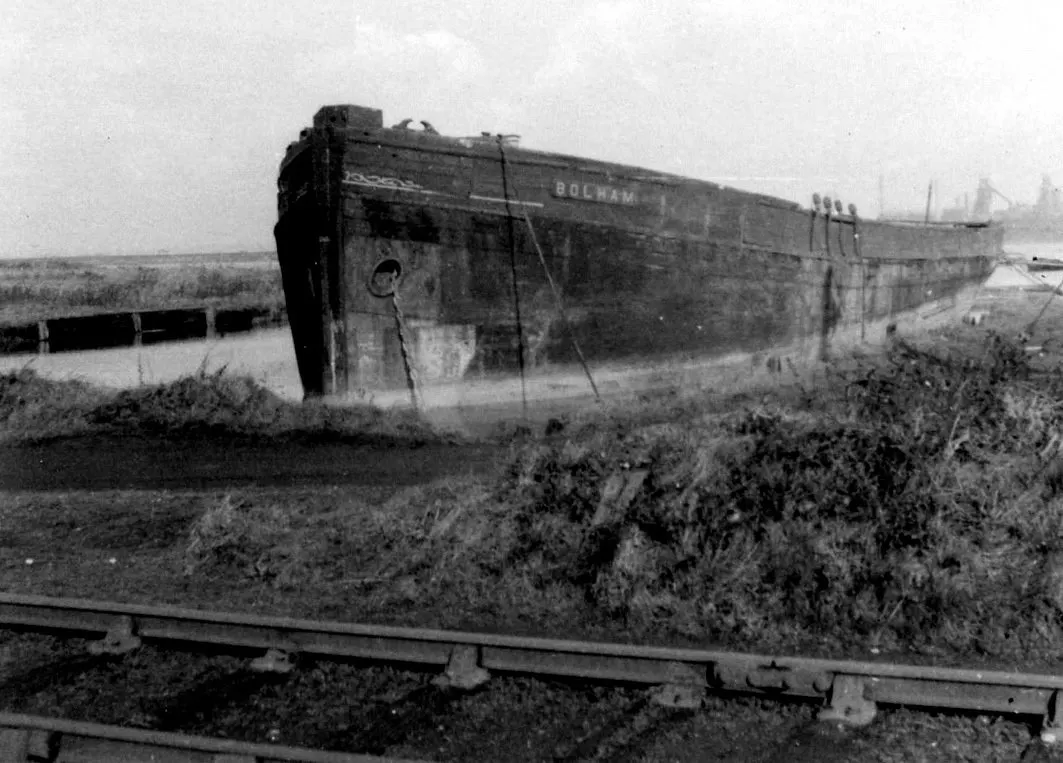
The Bolham in the dock at Connah's Quay awaiting cutting up 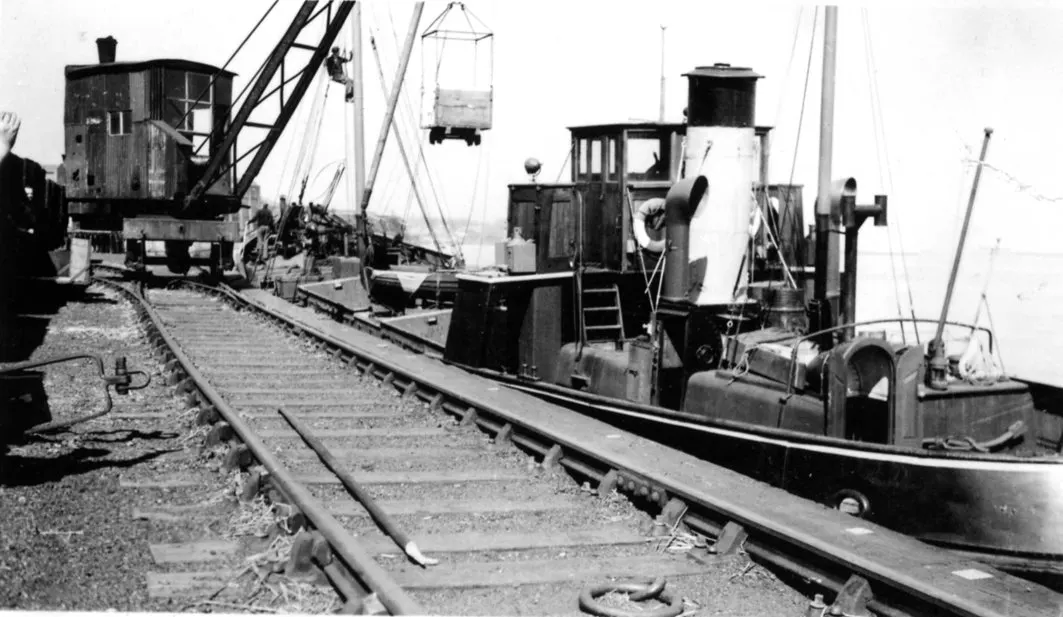
The Indorita being loaded 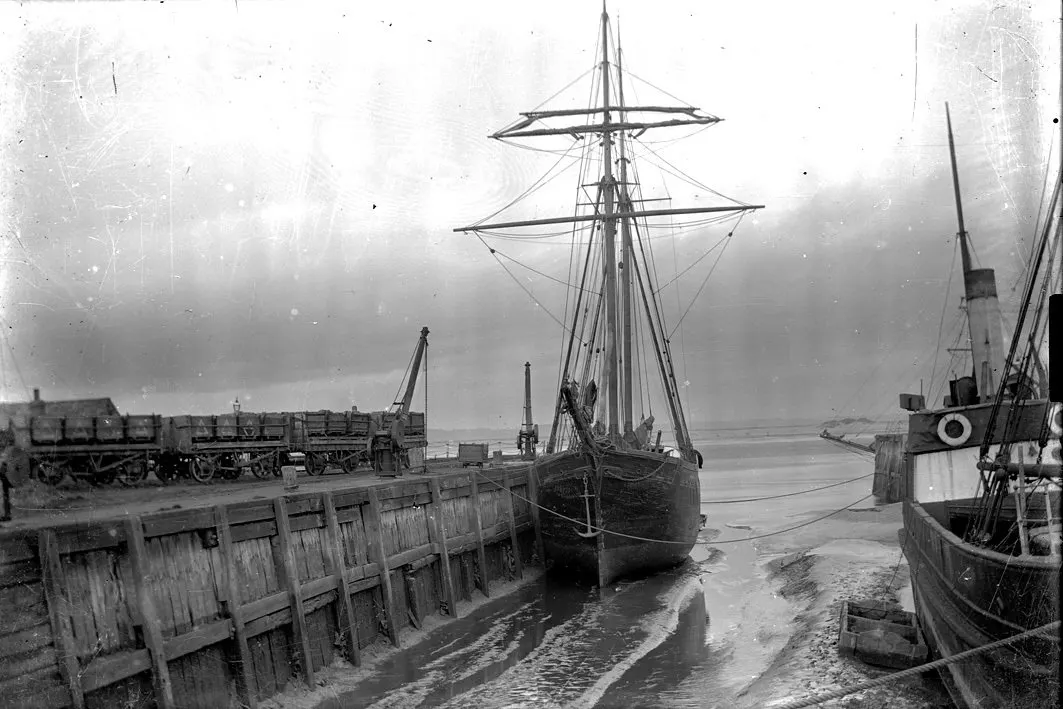
Eddie Pickford worked on the Hove, the biggest ship in the Coppack fleet, as a young deck boy.
The Hove was a steamer built by Ardrossan Drydock and Shipbuilding Co. Ltd in 1913 and originally called the Collairnie until sold in 1917 to a London company who renamed her the Hove. Coppack Bros bought her in 1935. She finished trading in early 1961 and was broken up in July 1961 in Dublin.
The Taliesin was completed in 1883 by Tyneside Engineering Works and Co., Cardiff for Coppack, Carter & Co. Ltd. She was a twin screw tug powered by a 4 cylinder compound engine. She was sold in 1898 to the The Lason Steam Tug Boat Co., South Shields. She was repurchased by Thos. Coppack & Co in 1921 and worked until 1931 before being sold to A.M.Rouse, Neyland, Pembroke.
The Bolham was built in 1913 and saw service in the First World War as HMS Bolham, cruising as a decoy ship in the Channel. On 3rd June 1917 she engaged and damaged an enemy submarine off Beachy Head. For this action the DSC was awarded to the Commanding Officer and the DSM to two of the crew. was originally powered by sail but also had an engine. She was purchased in 1938 by Coppack Bros & Co and was mainly used to carry coal from Point of Ayr to Birkenhead until the fifties. She was laid up in the wooden dock until she was broken up in 1957.
The Indorita was built at Abdela & Mitchel in Queensferry in 1920 for John Summers & Sons and was used for bringing pig iron from Workington, Millom or Barrow and, on occasion, scrap iron, all for use in steelmaking. She was sold to Coppack Bros in 1946 and carried the last of the brick cargoes in the fifties, coal from Point of Ayr, stone from Penmaenmawr, animal foods from Spillars in Birkenhead to Belfast.