The siege of a castle in any period of history would have been a long, drawn out affair for both sides. The defenders inside a besieged castle would face the greatest challenges, both a physically as well as mentally, as days could turn into weeks, the weeks into months and possibly years at a time. With people crammed into a confined space with diminishing supplies and with not being able to properly dispose of rubbish, excrement and human bodies the castle would become a hot bed for the spread of a whole host of diseases. Life for the besieges was equally not as hospitable, with food having to be daily foraged or forcibly taken from the surrounding area. The siege was the ultimate form of a battle for attrition, it was race against time to see which side would run out of resources or resolve before the other.
It must be remembered that, contrary to what is depicted in drawings and paintings, that the siege was for a lot of the time a very boring affair. Most of the soldiers time on both sides of the fortress walls would be spent warily staring at each other. The civilians who made it to the safety of the castle would also have nothing much to do, as the majority of civilians would have been farmers, merchants or tradesmen. Those who could do skilled labour such as carpenters or masons would have probably been employed in repair work or strengthening the defenses. The rest would either have been drafted to defend the walls or find whatever work they could.
Throughout history it is very rare that castles would fall by the brute force of the attackers. Most of the time, castles would either fall to trick or treachery (for those being besieged the constant threat of hunger could drive many people to do terrible and treacherous things, like betrayal), or would eventually give out to the besiegers due to hunger and disease. On the other hand, the besiegers could run out of supplies and resources and suffer more from hunger and disease than those they where besieging, or the arrival of relief in the form of reinforcements would force besiegers to give battle.
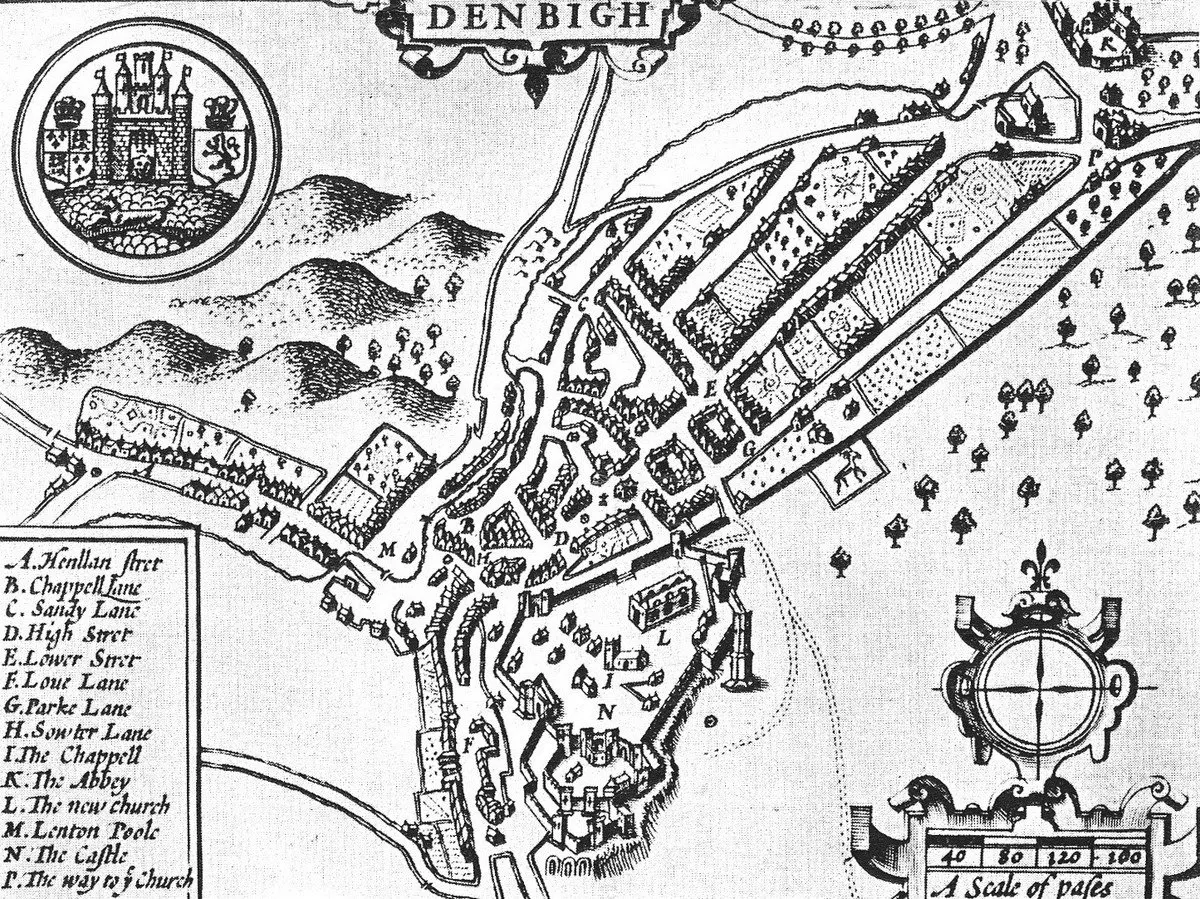
During the siege of Denbigh, we know that life inside the castle would have been difficult. Although the garrison had ample supplies and provisions, a variety of diseases soon broke out and began to spread amongst the besieged population. This was probably due to the fact that the siege was undertaken during one of the hottest summers on record as well as the huge amount of humans and animals that had been crammed and forced to live together cheek by jowl. The rocky nature of the ground also prohibited the proper burial of bodies which would also have been a leading factor with the spread of pestilence. Life outside of the castle would have been equally as hard especially for those civilians who where not able to seek the refuge of the castle. The besieges would have daily needed to forage for food and other provisions, much of the time confiscating it from the local civilian population. We know that during the siege of Denbigh, 48 local men residing in the parliamentarian held suburbs of Denbigh wrote and signed a petition to Colonel Salusbury imploring him to surrender the castle to the parliamentarians who had become burdensome to their way of life.