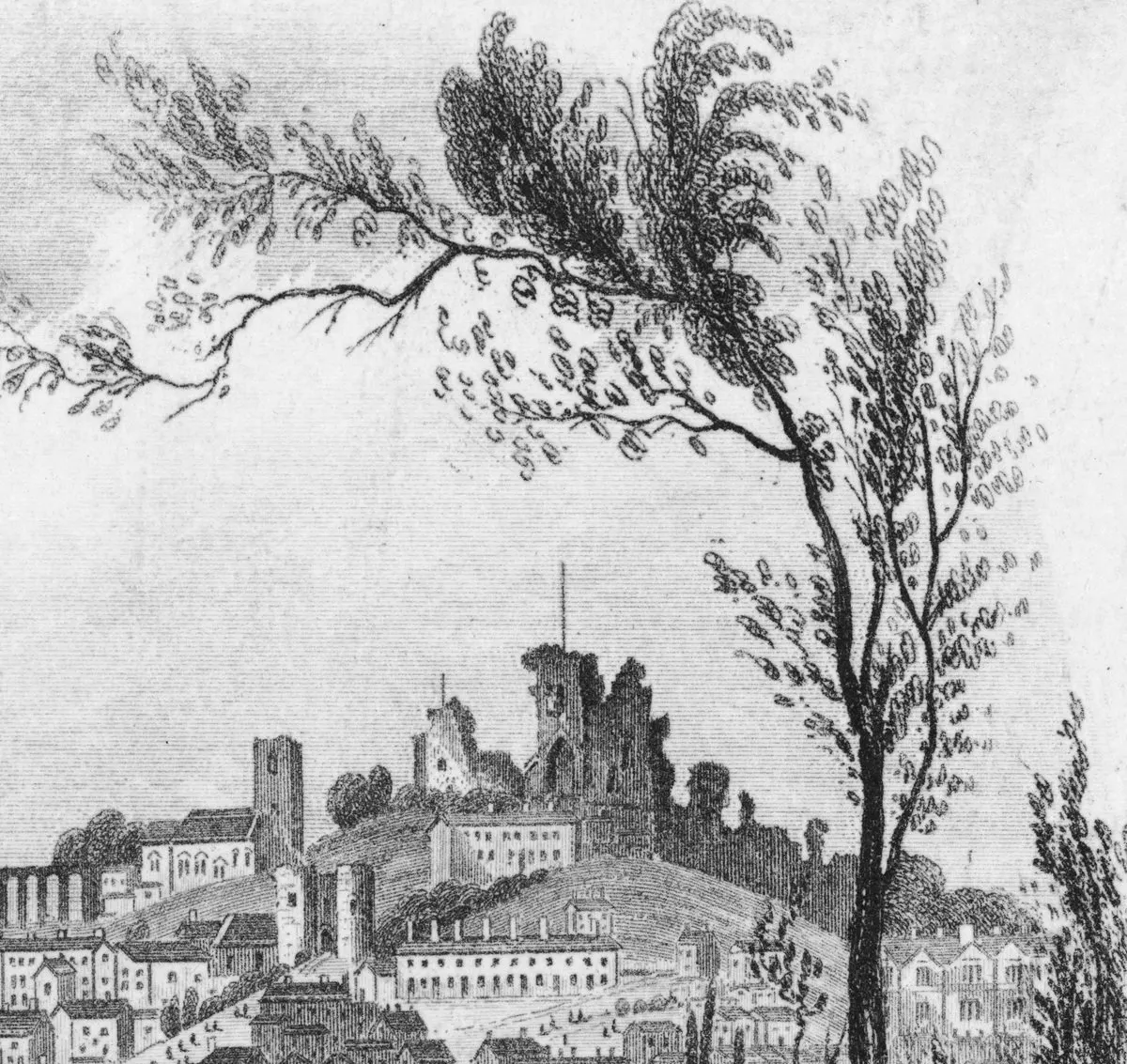
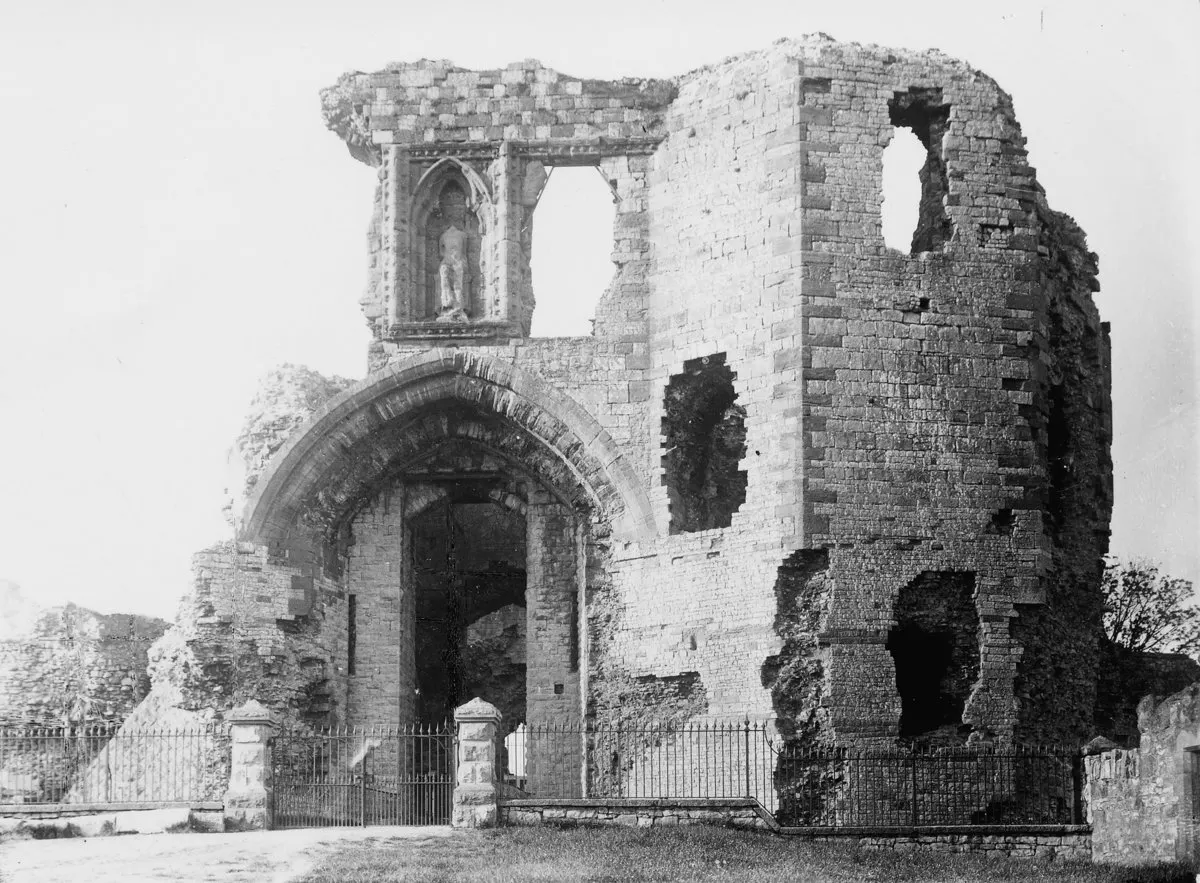
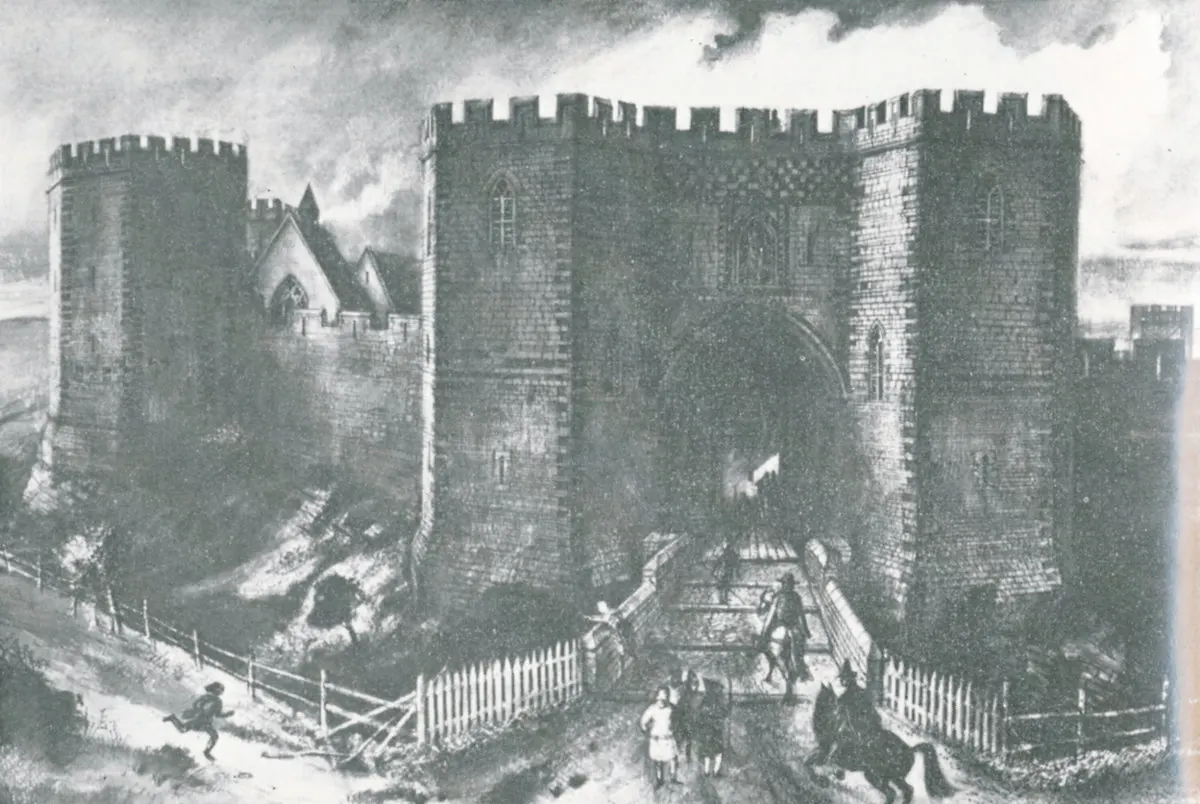
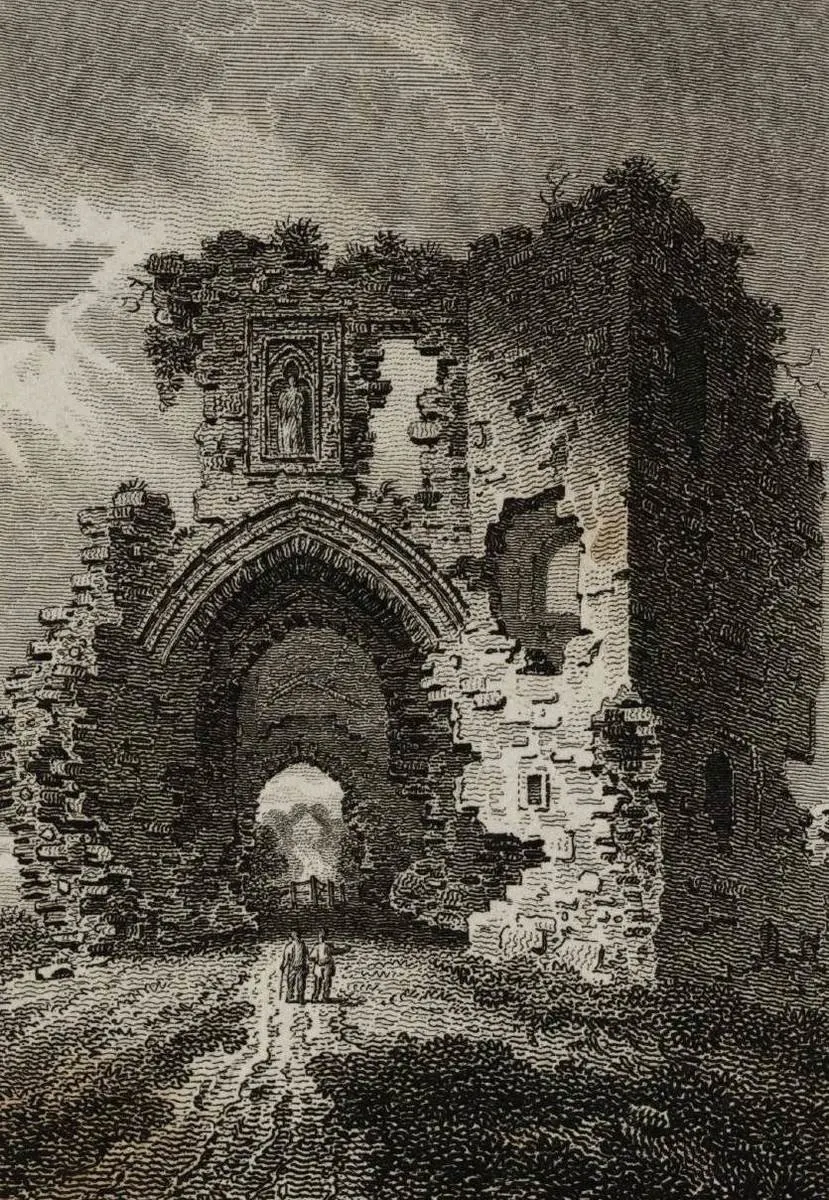
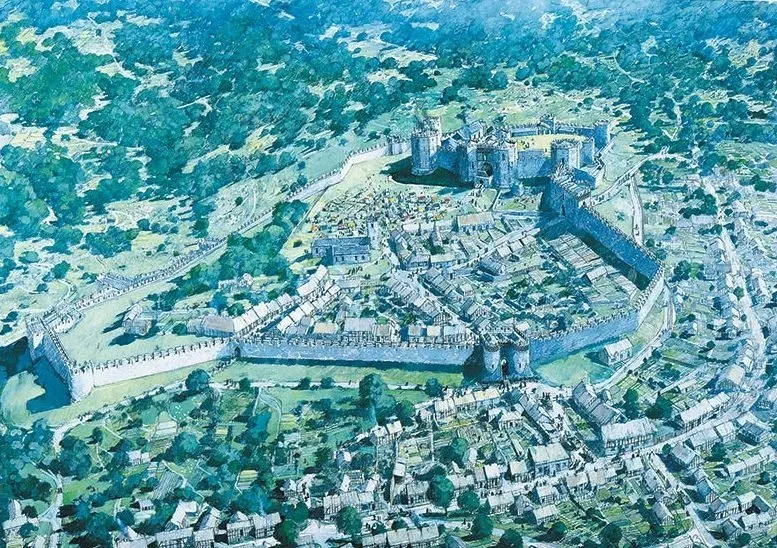
There is no firm evidence, both historical and archaeological, of the foundation of a castle in Denbigh. However the first reference of a stronghold in Denbigh dates to 1230 when an abbot from England visited Llewelyn ap Iorworth (Llewelyn the Great) at ‘his new castle at Denbigh’ leading historians to assert that the foundation of the Welsh stronghold at Denbigh originates to the mid-11th century under the direction of Llewelyn the Great.
At the time of the Edwardian conquest of Wales in 1282, the castle is recorded as being in the possession of Dafydd ap Gruffydd, the younger brother of Llwelyn ap Gruffudd. After the defeat and capture Daffydd ap Gruffydd in 1283, who by this time was the last Prince of Wales, the castle was given to Henry de Lacy, 3rd Earl of Lincoln. All traces of the original Welsh stronghold was torn down and work began on the new English fortress which was largely completed by the time of Henry de Lacy’s death in 1311, the majority of which comprises of the remains of castle that can be seen today. The historical sources also provide an alternative name for the castle; Castell Caledfryn yn Rhos (Castle on the mighty hill in the cantref of Rhos), is noted by later historians and antiquarians such as John Speed and Edward Lhwyd.
The castle remained in English hands though in 1402, Henry Percy (often referred to as Hotspur) supported Owain Glyndŵr and in 1460 Jasper Tudor held it for the Lancastrian Henry VI. However it is known that by this period only half the castle could be lived in after this date. Robert Dudley, Earl of Leicester occasionally lived here as his principal residence in North Wales. During the English Civil War, William Salusbury of Rûg who held the castle from 1643-46, entertained Charles I for a few days in September 1645 and would later withstand a six-month siege in the following summer by parliamentary forces. After the restoration of Charles II the castle was allowed to fall into ruin.