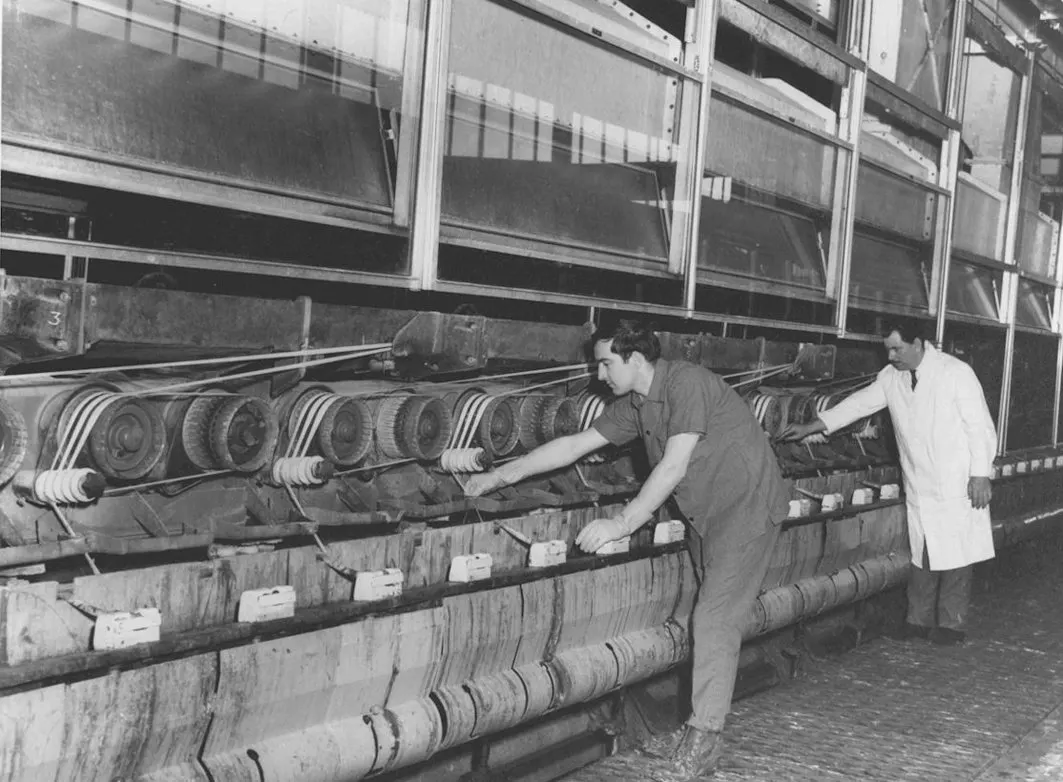
Reeling room 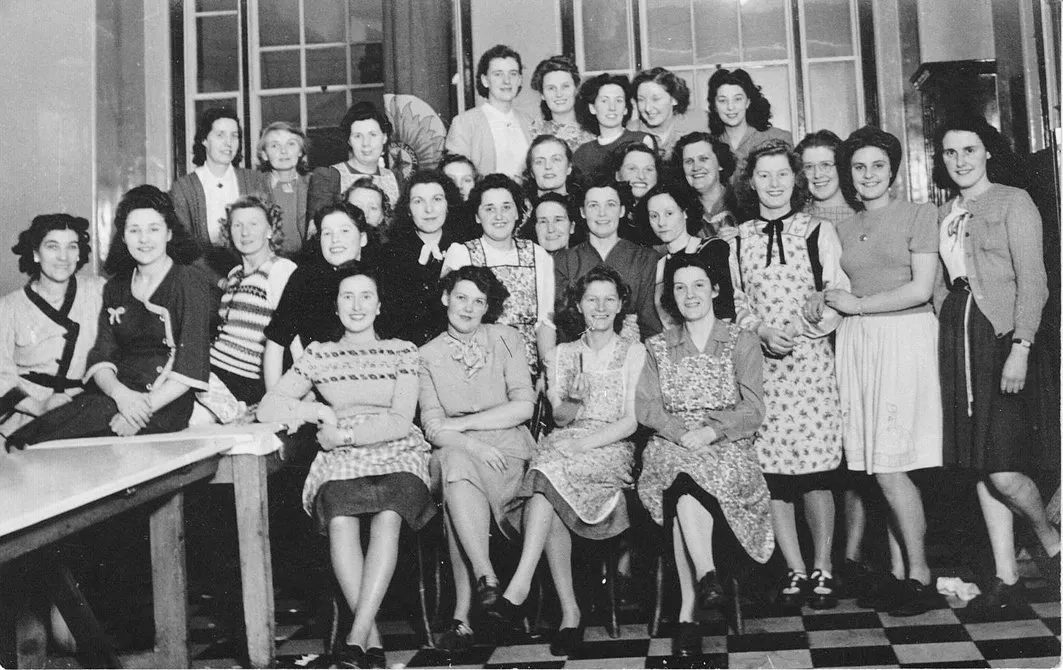
Spinning room staff, 1945 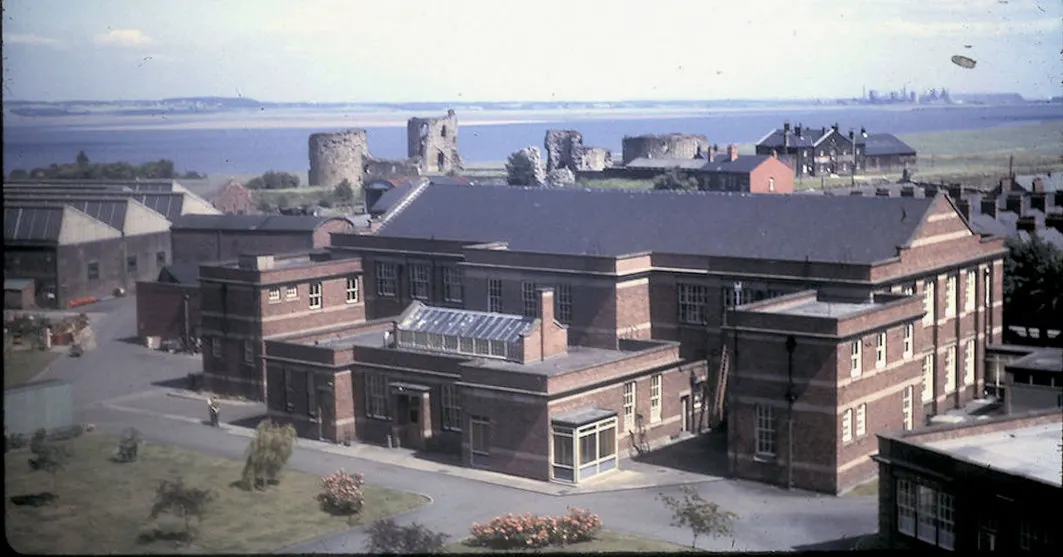
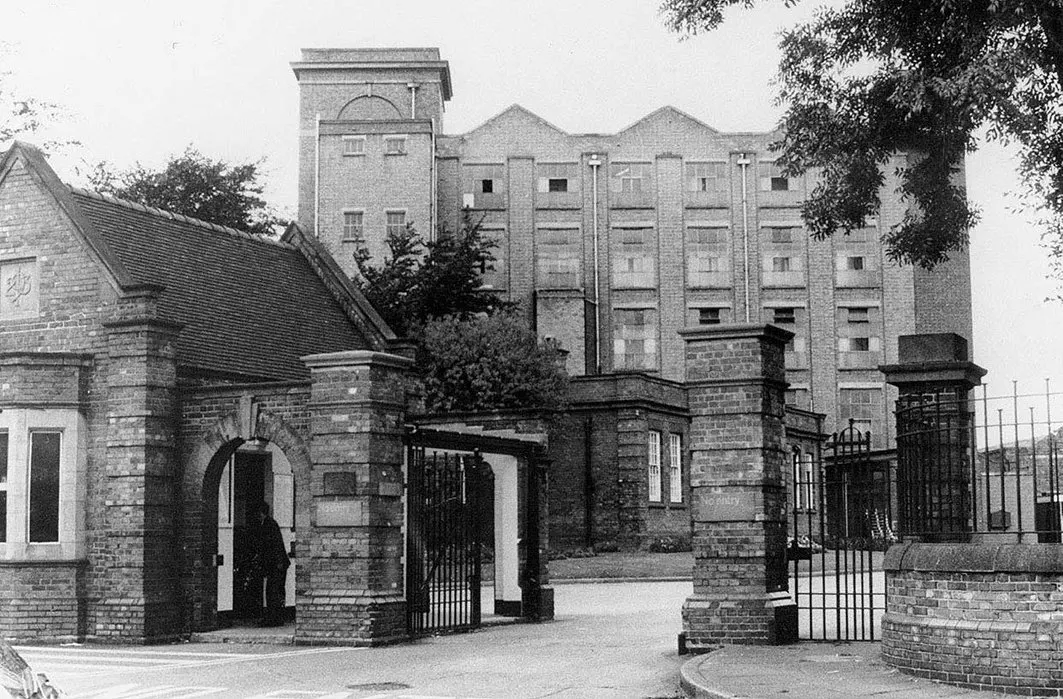
Castle Works entrance 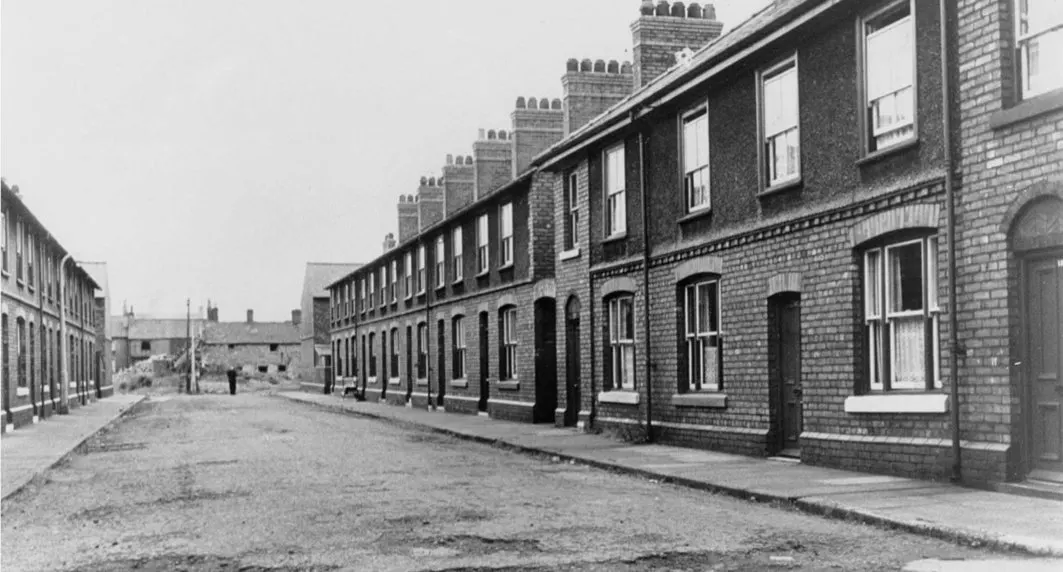
Terraced houses on Thomas Street, built by Courtualds to house workers
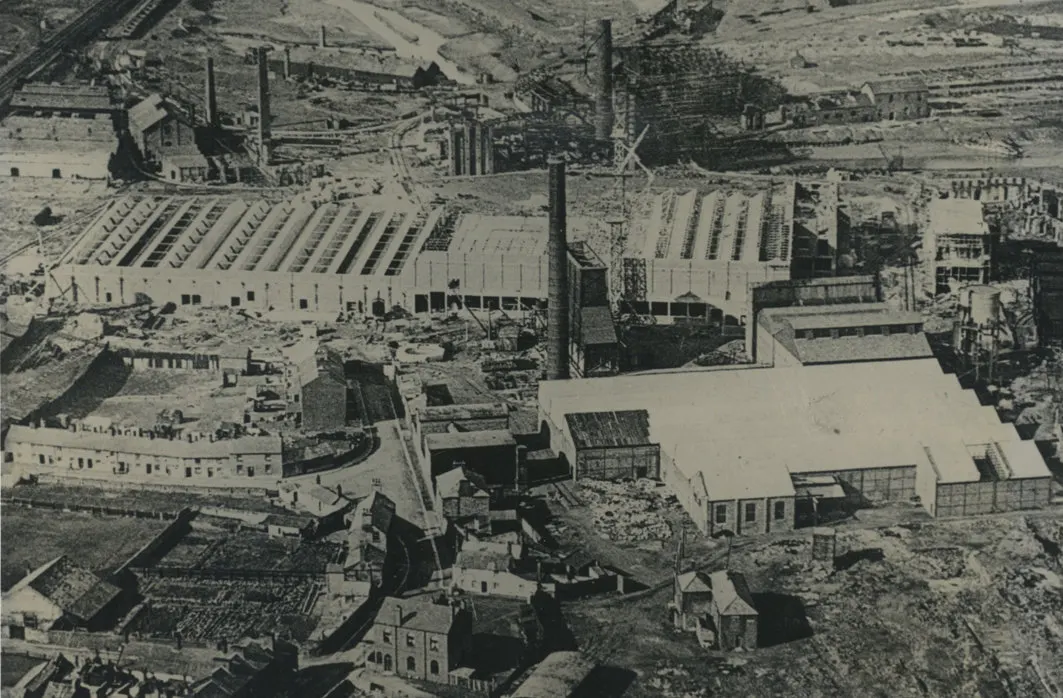
Courtaulds was at the heart of life in Flint. The chimneys dominated the skyline and the sound of the hooters marking the end of shifts broke up the days.
In 1917 Courtaulds took over the factory buildings of the British Glantztoff Works that had made artificial silk from wood cellulose. This became ‘Aber Works’. In 1920 they bought the empty site of the United Alkali Works nearer the coast and developed ‘Castle Works’. In 1927 they opened Deeside Mill. Aber and Castle Works produced continuous filament viscose yarn whilst Deeside Mill processed it. A further two mills for rayon production were established at Greenfield in 1936. They employed 10,000 in Flint and 3,000 in Greenfield at its peak.
It was a mixed relationship between town and factory. The chemicals used in the process were unpleasant and the noise in the factories was overwhelming but it brought jobs and prosperity and contributed to the sense of community. The closure of Aber Works in the late 1950s, Castle Works in the 1970s and the Deeside Mill together with the factories at Greenfield in the 1980s left the town reeling.
“I remember the smells that came from Courtaulds. It was on everyone’s clothes. It was awful!”
“I was 15 when I started in the coning room at Deeside Mill. The noise was terrible. I wanted to go home! They didn’t give ear protectors back then - my hearing hasn’t been good since then.”