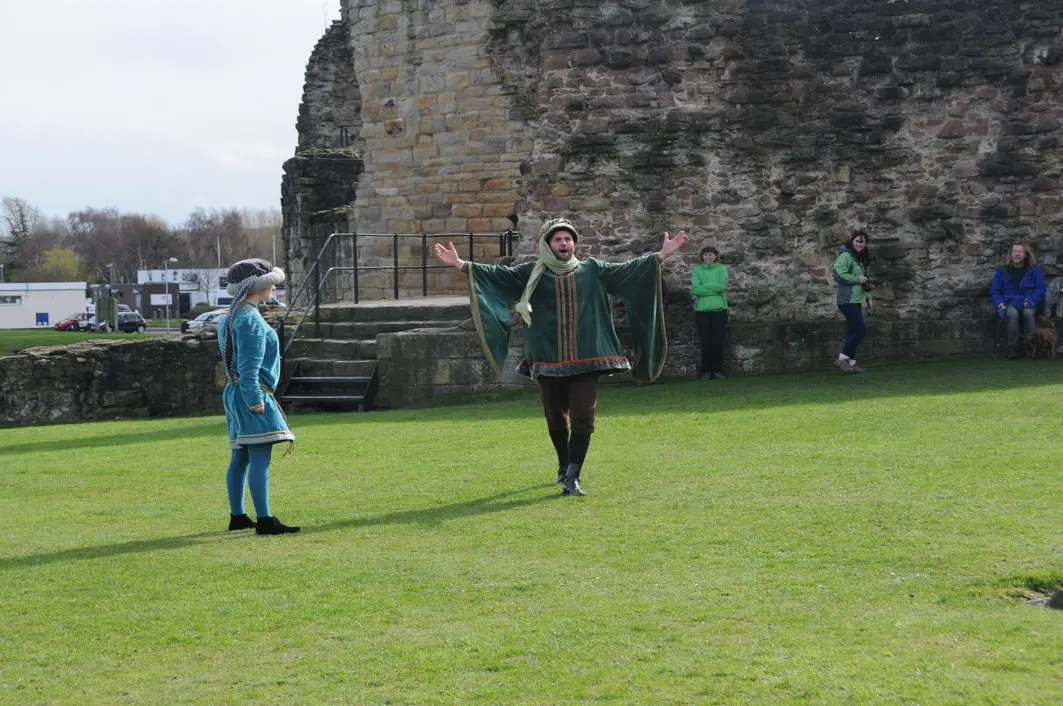
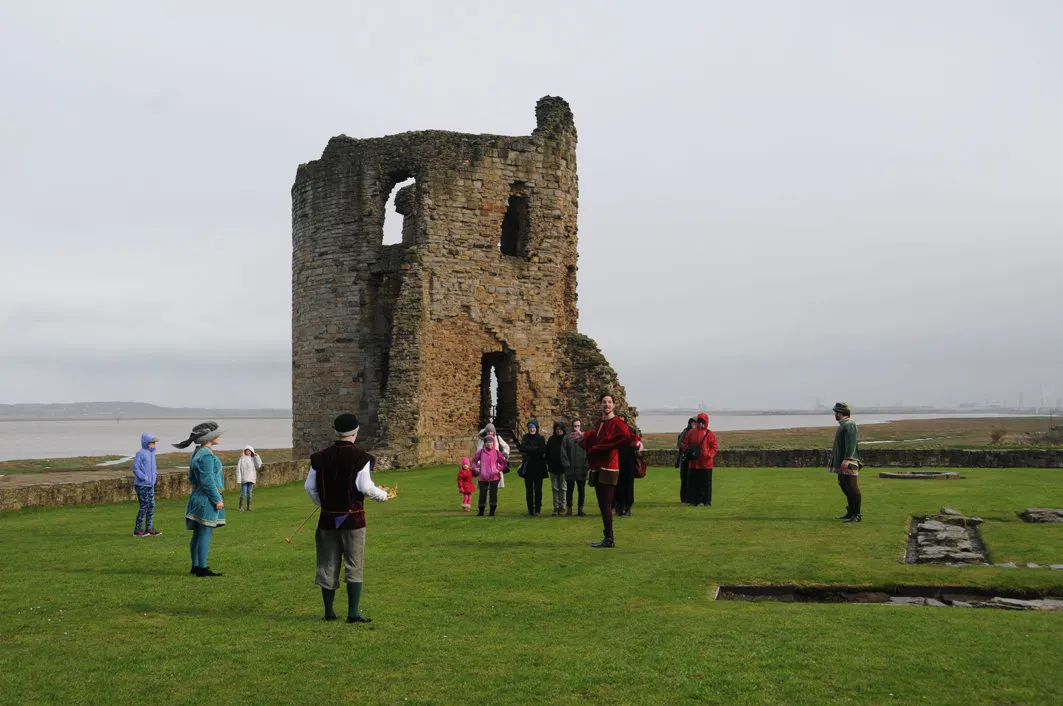
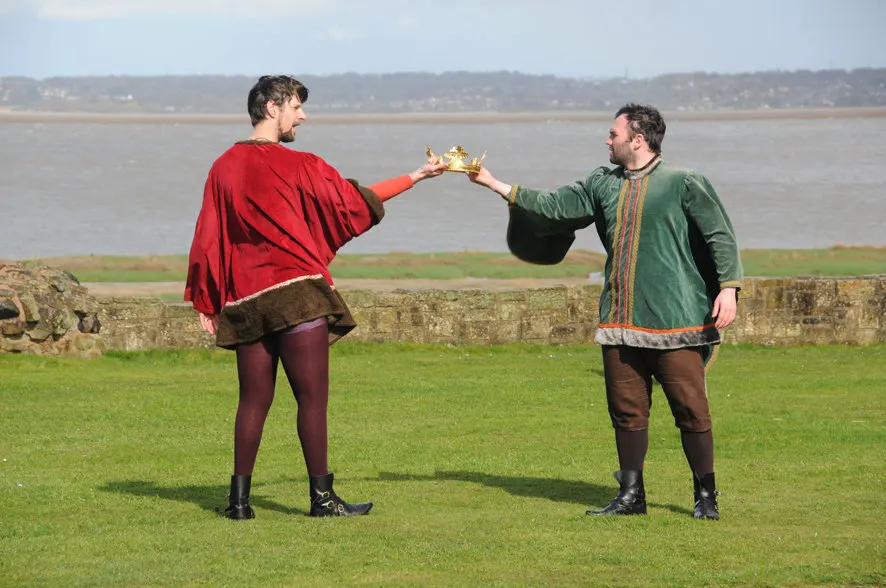
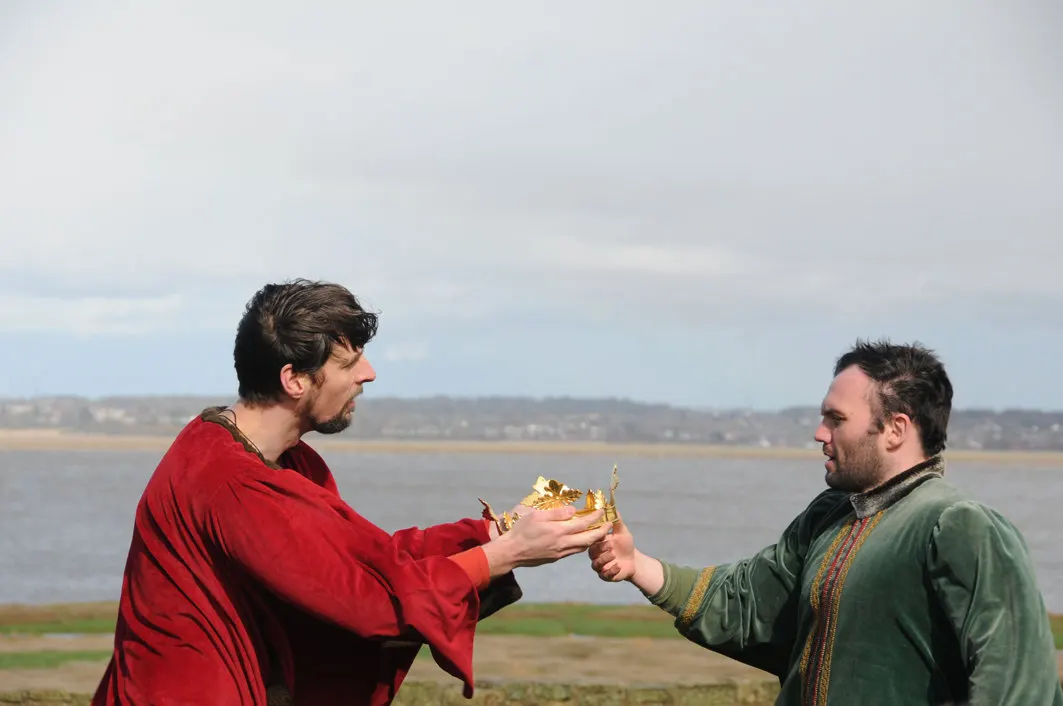
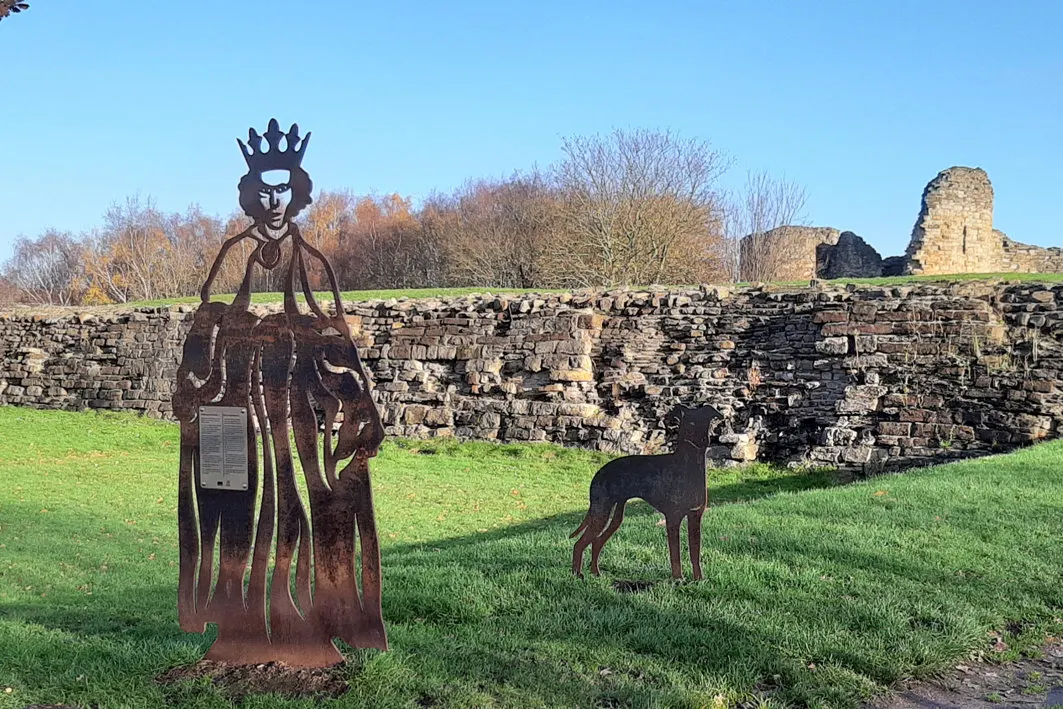
In 1399 Flint Castle bore witness to an event that was to shape British history and the future of the monarchy. It was here that King Richard II gave up his crown to his cousin, Henry Bolingbroke, Duke of Lancaster who became Henry IV.
King Richard had confiscated Bolingbroke’s lands and property, taken his sons as hostages, and sentenced him to exile under suspicion of his involvement to overthrow the monarchy. While Richard was away in Ireland, Bolingbroke sailed back to England in an attempt to reclaim his inheritance, with the support of some of the leading baronial families. On hearing this, Richard quickly returned back to North Wales, where he had much support from the Welsh.
He was met at Conway by the Earl of Northumberland, who had been granted the custody of Flint Castle earlier that year. Richard was informed that Bolingbroke wanted to meet him and so set out to Chester but was ambushed near Gwrych Castle, just outside Abergele. Richard realised that he had been betrayed and was trapped by a large group of heavily armed men bearing the Northumberland standards. He was taken to Rhuddlan Castle and then on to Flint castle as a prisoner where he was to meet Henry Bolingbroke.
On August 19th It is believed that, having taken mass in the chapel of the Donjon Tower, King Richard saw his cousin coming across the marsh. Richard saw that his reign was over and gave up the crown to his cousin. William Shakespeare captured the moment forever in his play ‘Richard II’ and the scene continues to be played out in theatres all over the world.