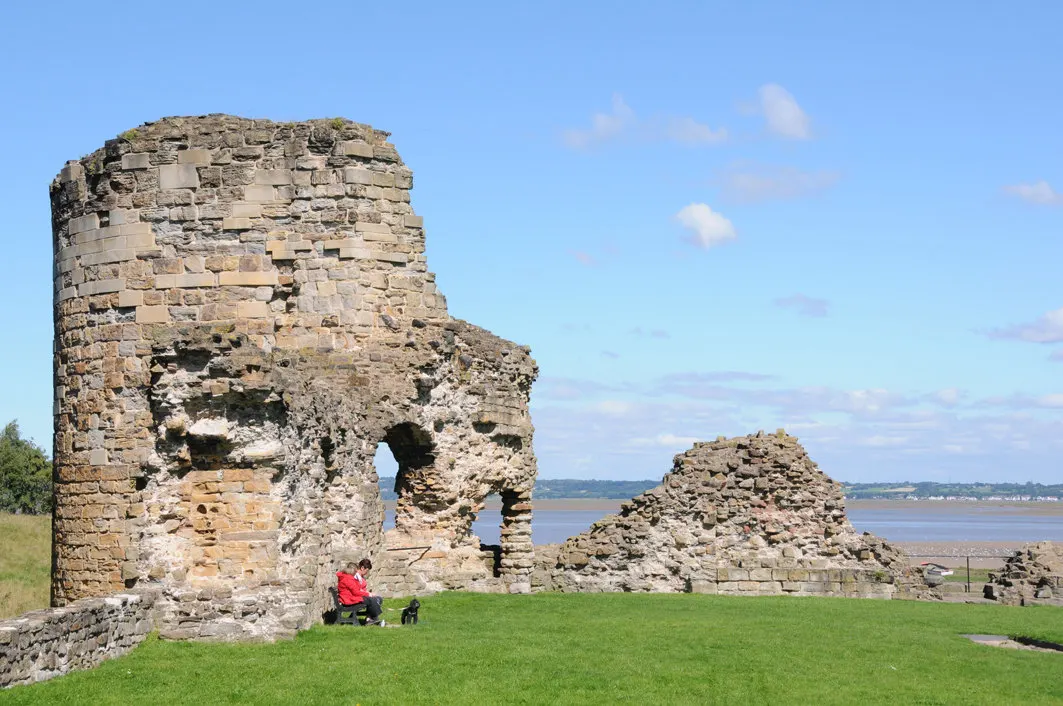



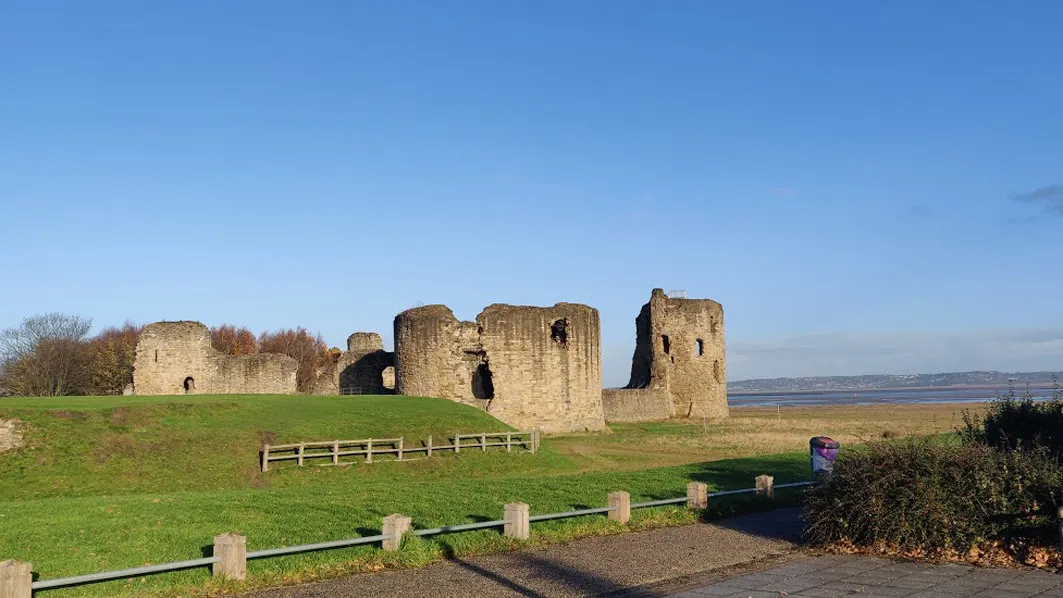


Flint is one of the most historic towns in North Wales, dating back to 1277 when King Edward I commissioned the building of Flint Castle and the adjoining town.
Edward chose Flint as the site for the first of his formidable chain of castles along the Welsh coast. It was a day’s march from Chester and could be easily supplied by sea. A natural plinth of rock, jutting out into the River Dee, provided the ideal base.
The town was built inland from the castle, protected by a deep ditch and laid out to a grid pattern, with a series of straight streets crossing one another at right angles. The remnants of this grid pattern still remain today.
A monumental event in history took place at the castle in August 1399 when Henry Bolingbroke deposed Richard II to take the English crown, becoming Henry IV.
For centuries the town was the administrative and legal centre for the surrounding area. The medieval Court House still stands on Church Street, now a welcoming cafe.
The town prospered in the 18th and 19th century. The Town Hall and parish church were rebuilt in this era, with funding from several of the wealthy industrialists.
To find out more about the heritage of Flint, pick up a leaflet from the Town Hall or library, and look for the panels along the coast path and in the town.