Plas Newydd was the home of the ‘Ladies of Llangollen’, Lady Eleanor Charlotte Butler and Miss Sarah Ponsonby, in the late 18th and early 19th centuries. Lady Eleanor Butler was a descendant of the Earl of Ormonde and the youngest daughter of Walter Butler. Miss Sarah Ponsonby was an orphan and the granddaughter of General Henry Ponsonby. She was also a second cousin to the Earl of Besborough. Eleanor and Sarah met whilst Sarah was attending a boarding school near Kilkenny and Eleanor was living in Kilkenny Castle.
Both Eleanor and Sarah were unhappy at home. Eleanor was under pressure to marry or to enter a convent. Sarah was troubled by the unwelcome attentions of her guardian Sir William Fownes. In March 1778 the Ladies made plans to runaway together, disguised men’s clothing. However, they were discovered at Waterford and were taken back to their homes. They were more successful in their second attempt in May. They sailed from Ireland to Milford Haven and toured Pembrokeshire, and travelled on to Llangollen.
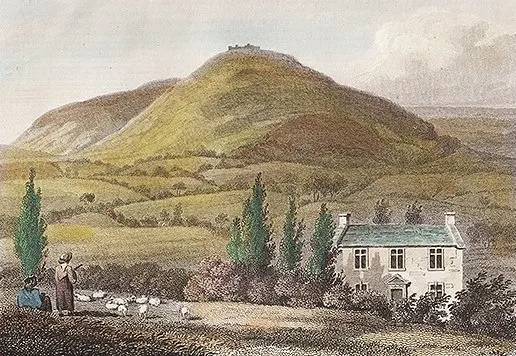
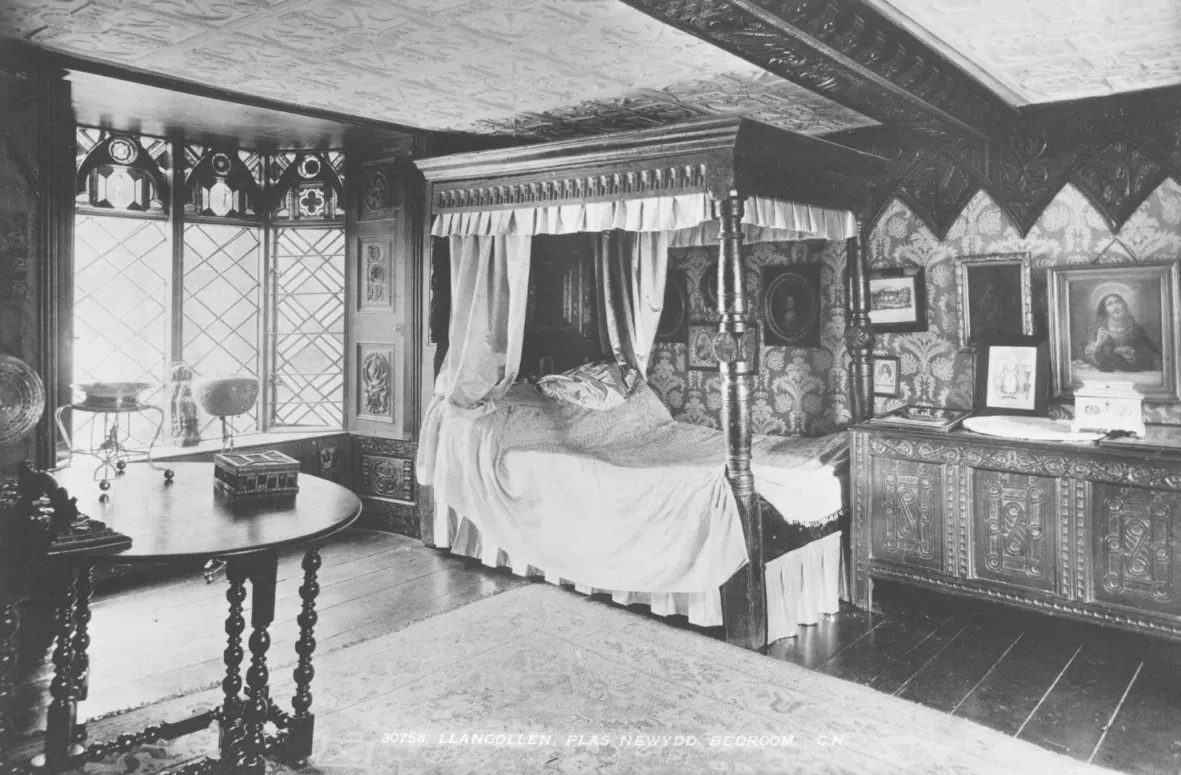
Having lived in Llangollen for two years, first in Blaen Bache and then at the Post Office on Chapel Street, in May 1780 the Ladies took out a ninety-nine year lease on Pen y Maes, which they later renamed Plas Newydd. They then set about making the house their home; they built the Library and the state bedroom above.
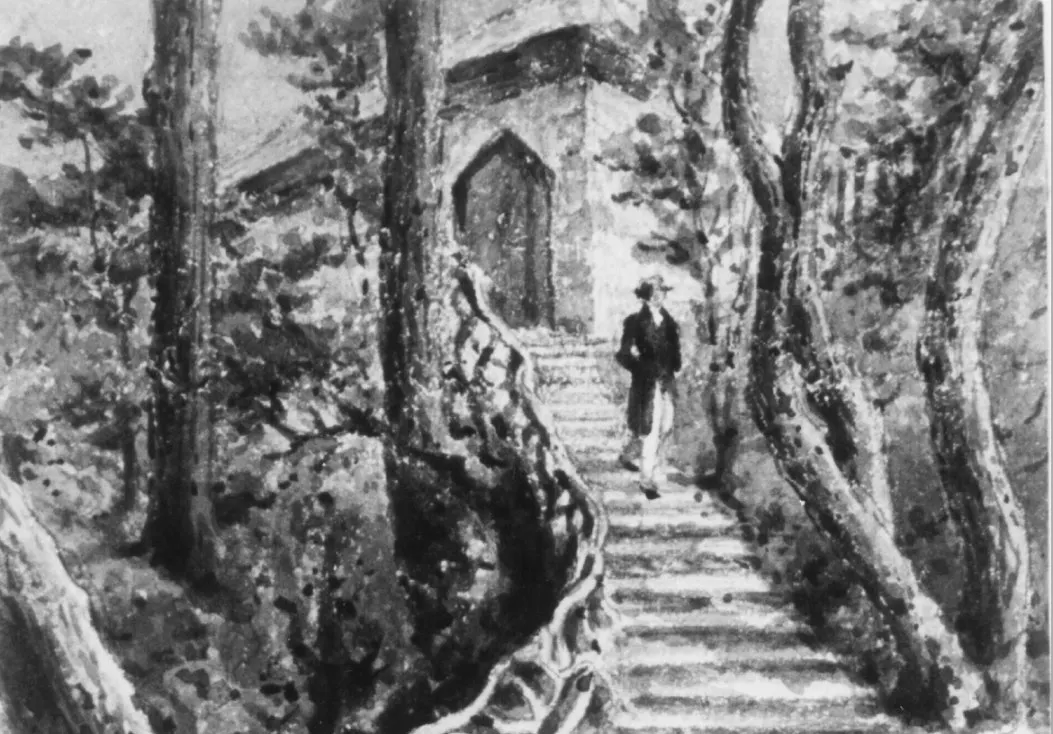
Eleanor and Sarah also started laying out and ornamenting the grounds with, a summerhouse and ornamental bridges across the River Cyflymen.
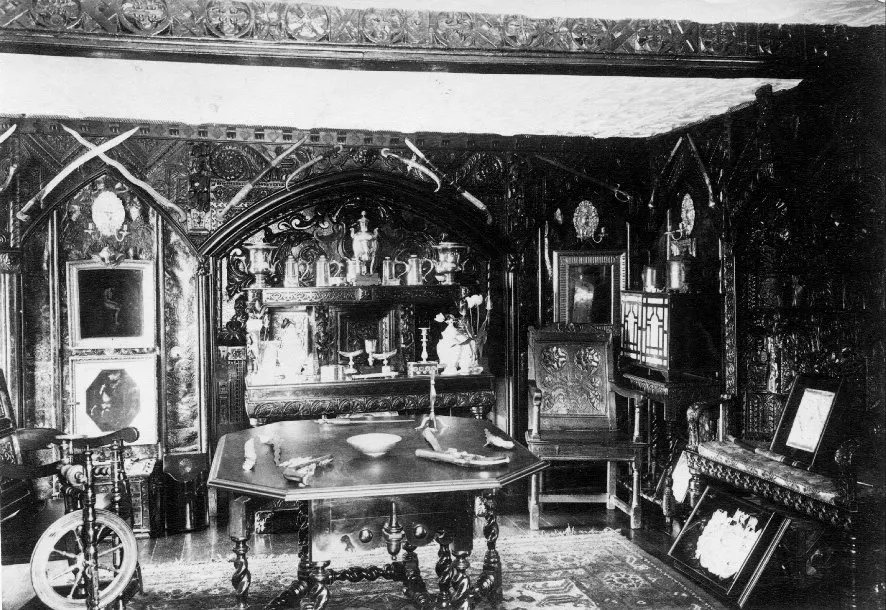
The Ladies also started the tradition of adding carved oak to the building.
In 1819 their landlord died and his son John Edwards sold Plas Newydd to the Ladies but it wasn’t until 1825 that they were able to finish paying. Land of two-and-a-half acres was also rented from the Revered Edward Roberts of Dinbren Hall. Upon his death in 1805 Sarah and Eleanor’s housekeeper and friend Mary Carryl purchased the land, known as Aberadda.
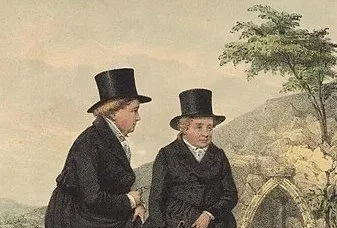
The Ladies were considered to be eccentric as they dressed in dark riding habits with white starched neck cloths, and their cropped and powdered hair surrounded by tall black beaver hats gave them an almost masculine appearance. Their visitors were numerous and famous. The Duke of Gloucester, nephew of George the III, dined there in 1809. Prince Paul Esterhazy and his wife came to breakfast, the Duke of Wellington called in 1788. Sir Walter Scott took tea with the Ladies in 1825. Local callers included Sir Watkin Williams Wynne, Wynnstay; Lady Dungannon, the Myddletons of Chirk Castle, and many more.
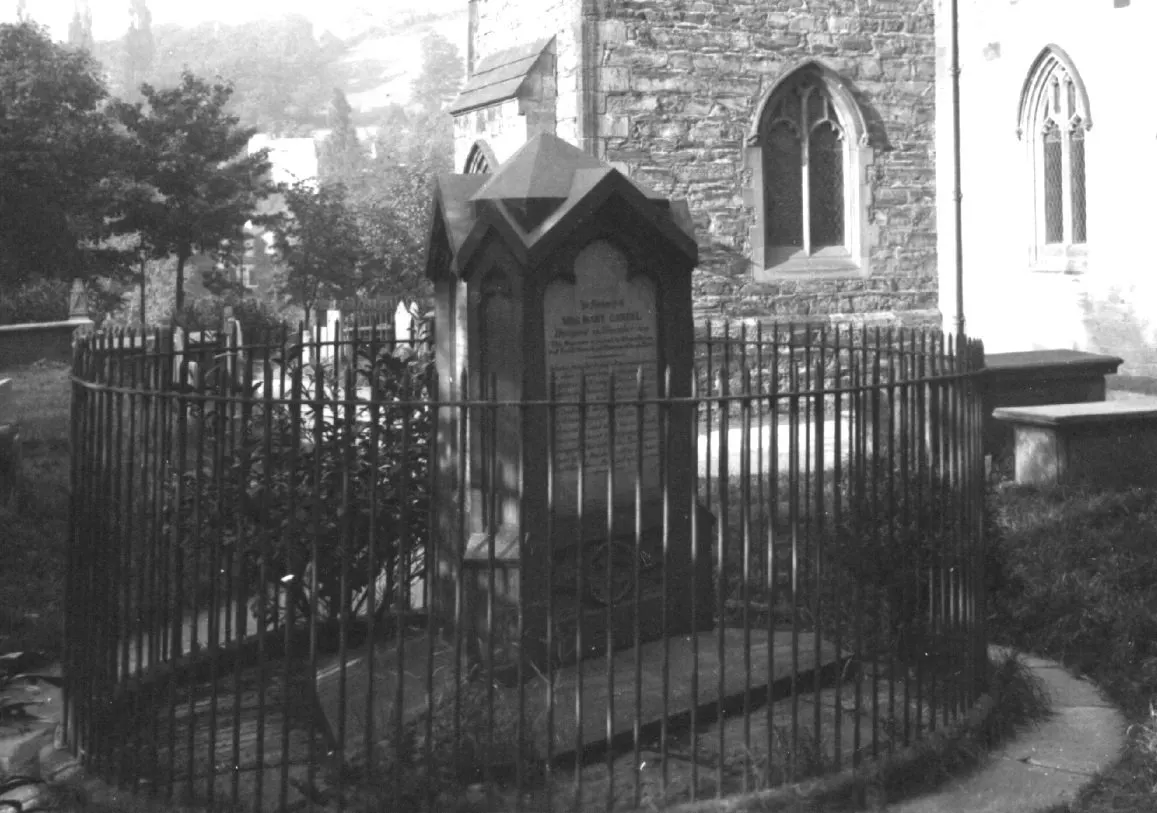
Lady Eleanor Butler died in June 1829 and Miss Sarah Ponsonby followed her in December 1831. They are buried together along with their faithful friend Mary Carryl, in Llangollen Churchyard.
Plas Newydd did not remain empty for long, it was purchased by another two spinster ladies called Amelia Lolley and Charlotte Andrew, who had lived in Llangollen for a while and were well known for attempting to copy the Ladies of Llangollen. Lady Eleanor was known to refer to them as the “Lollies and Trollies”. By 1861 they had both died, and the estate passed to Mrs. Robina Augusta Couran of Plympton, Devon who held it for fifteen years before selling to Richard Lloyd Williams of Denbigh.
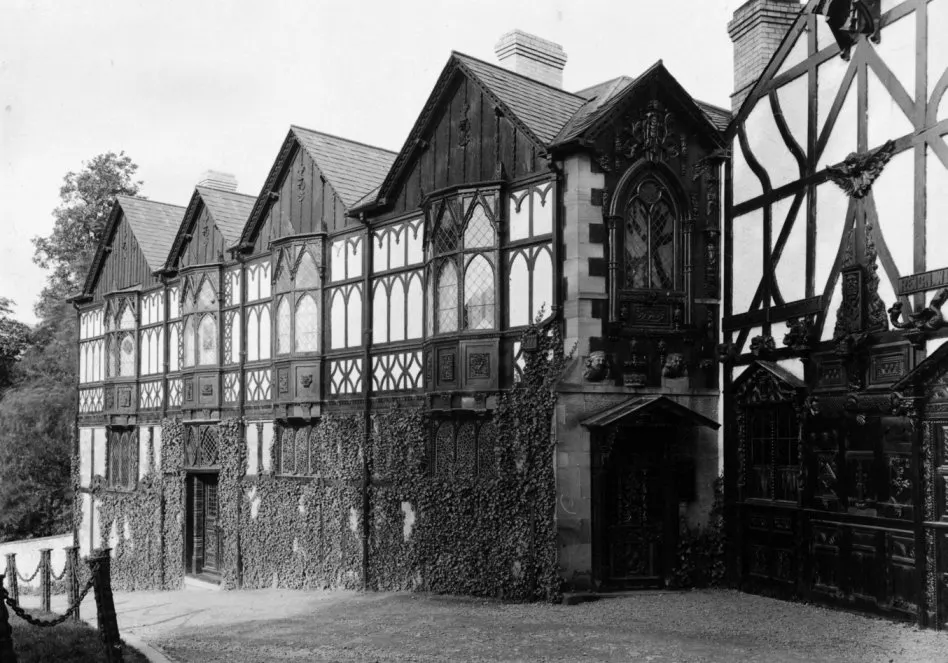
It is believed that Richard Lloyd Williams purchased the property merely for investment, for within months he had sold it to General John Yorke of London. General Yorke made Plas Newydd his main pursuit, building the extensive west wing and opening the older rooms to the public. He made the grounds a paradise for birds, squirrels, and peacocks as well as creating the Hermitage site. Gereral Yorke died in 1890 at which point his heir, Colonel Reynoldson, sold the property to two brothers.
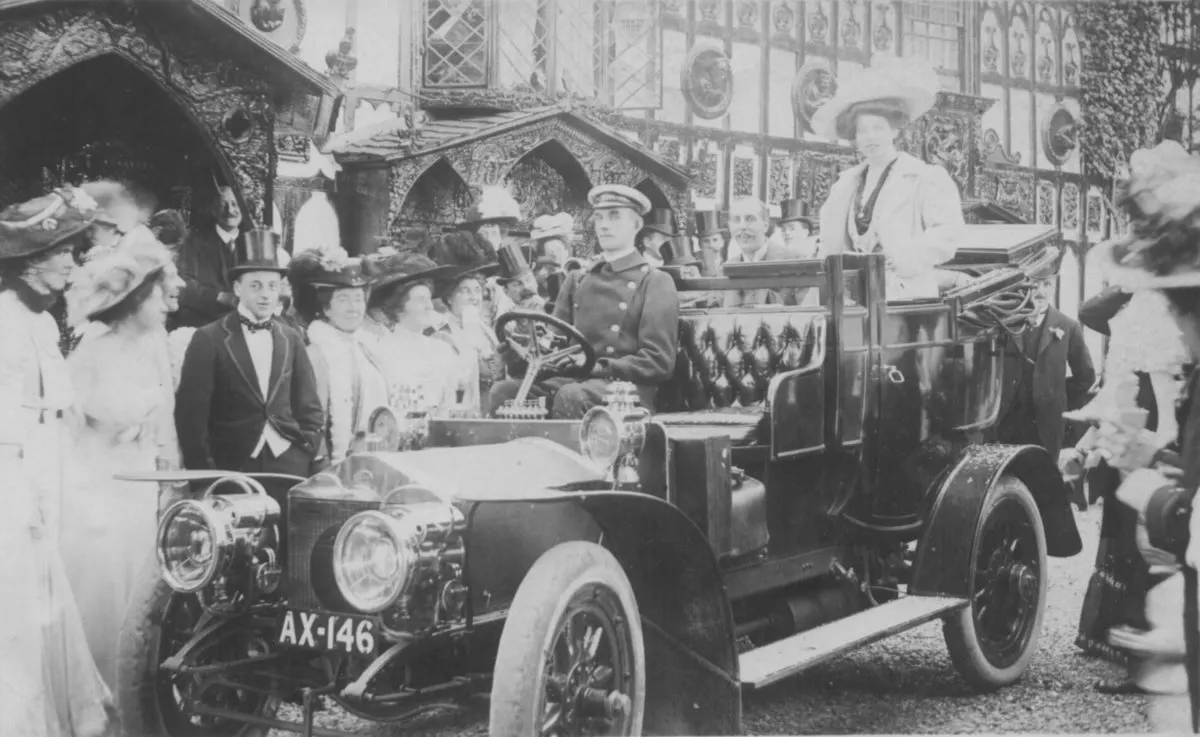
H.R and G.H.F. Robertson of Liverpool were the new owners of Plas Newydd. The latter came to live at the house with his family. Together with their head gardener, Mr Mossop, they laid out the formal gardens. A service wing was added to the original frontage. The brothers sold the estate to Mrs. G.M Wilson of Lincoln who took up residence, but about whom little is known. In 1918, after eight years of ownership, Mrs Wilson sold the property to Mr. G Harrison.
Mr. Harrison sold Plas Newydd later on within the year to J.H. Duveen, a well know antiques dealer. Duveen became Lord Duveen in 1927. It was believed that he bought Plas Newydd for its wealth of carved oak; much of it was ancient and was thought to bring great wealth in a market. However, Lord Duveen changed his mind and sold the house three months later to the Rt. Honourable George Montague, 7th Earl of Tankerville. Lord Tankerville died in 1931 but his widow continued to use Plas Newydd as a summer residence. Her eldest son and his bride spent their honeymoon there.
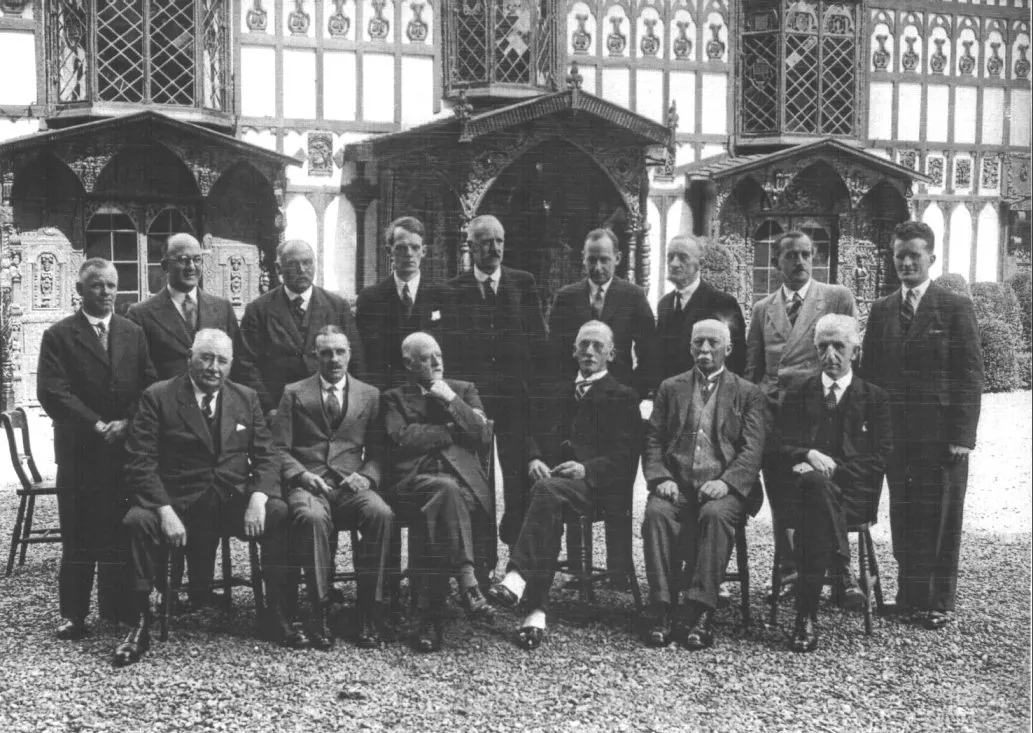
In November 1932 the contents of the house were sold by public auction and negotiations began with Llangollen Urban District Council, who had required the property in March 1933. Once again the old rooms of the Ladies were opened up to the public and the west wing became the home of the Welsh National Theatre, under the patronage of Lord Howard de Walden, the current tenant of Chirk Castle. During April 1934, the company performed their first two plays in Llangollen Town Hall. The company’s first “Annual School of Dramatic Art” was held from the 18th- 25th May 1934 at Plas Newydd. It was the war which put an end to the success of the Welsh National Theatre. The company performing in Paris, in 1939, on the outbreak of the war, had to hurriedly leave the country. Soon the time came for the male actors to be called up and so ended the short life of the theatre.
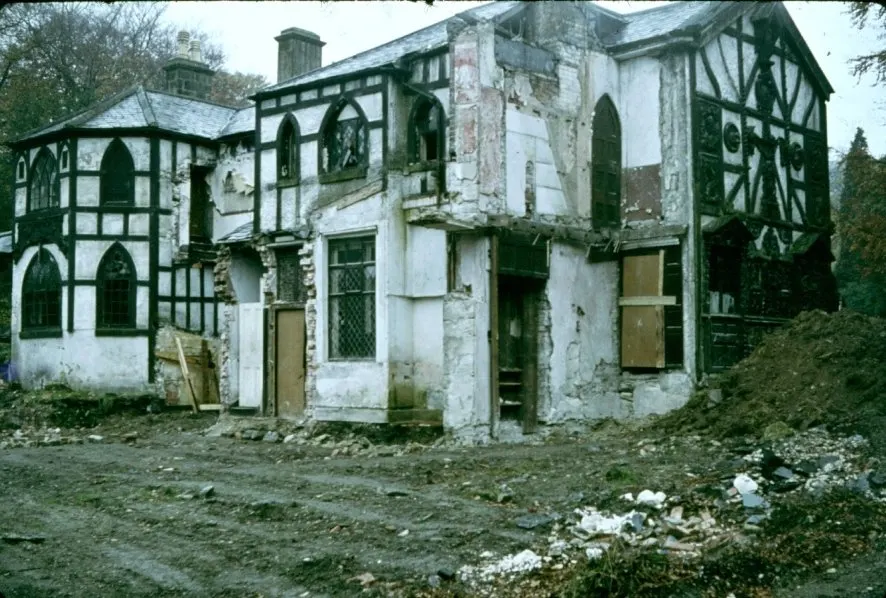
In 1963 the Urban District Council decided to demolish both the west and the east wings of Plas Newydd, leaving the house more or less as it was at the time of the Ladies of Llangollen. A pre-demolition party was held which gave the people of Llangollen the opportunity to say farewell, the party was held in the now empty west wing. On the 19th June Jackson-Stops & Staff of Chester held the pre-demolition sale.
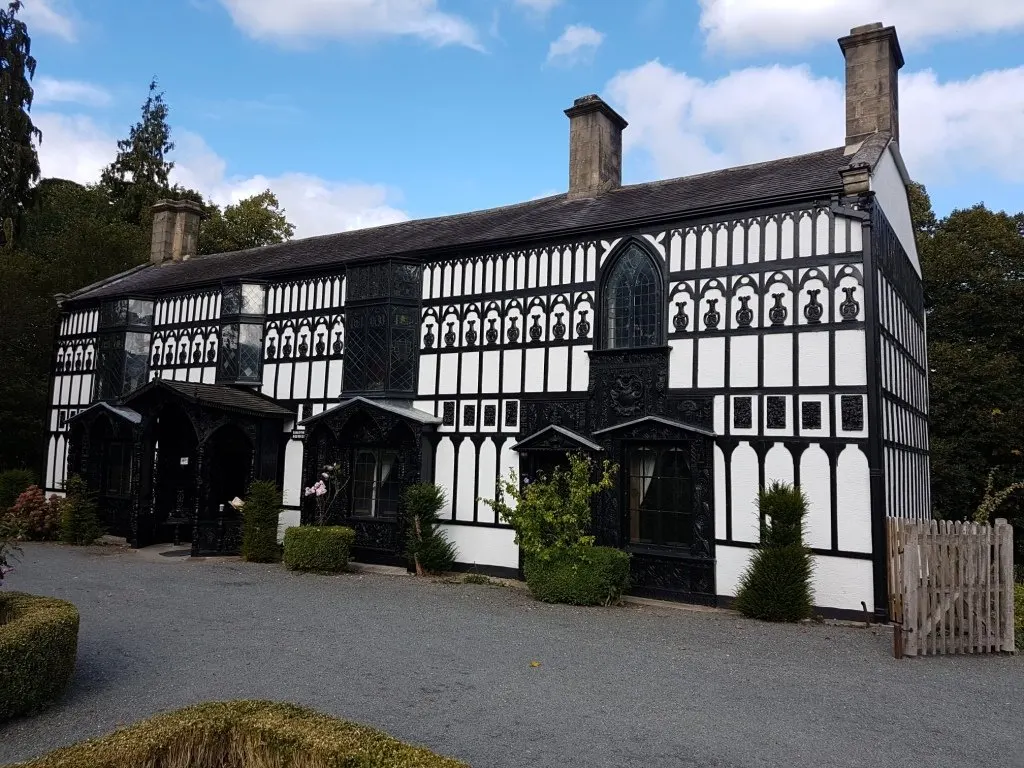
Today the Plas Newydd is owned by Denbighshire County Council and continues to be open to the public. The monument to the Ladies and Mary Carryl in Llangollen Churchyard was restored by Hanes-Llangollen-History in 2010. The memorial plaques of Carrara marble to Eleanor Butler and Sarah Ponsonby were badly eroded and were replaced with replicas. The original grave slabs of Eleanor and Sarah are now in Llangollen Museum.
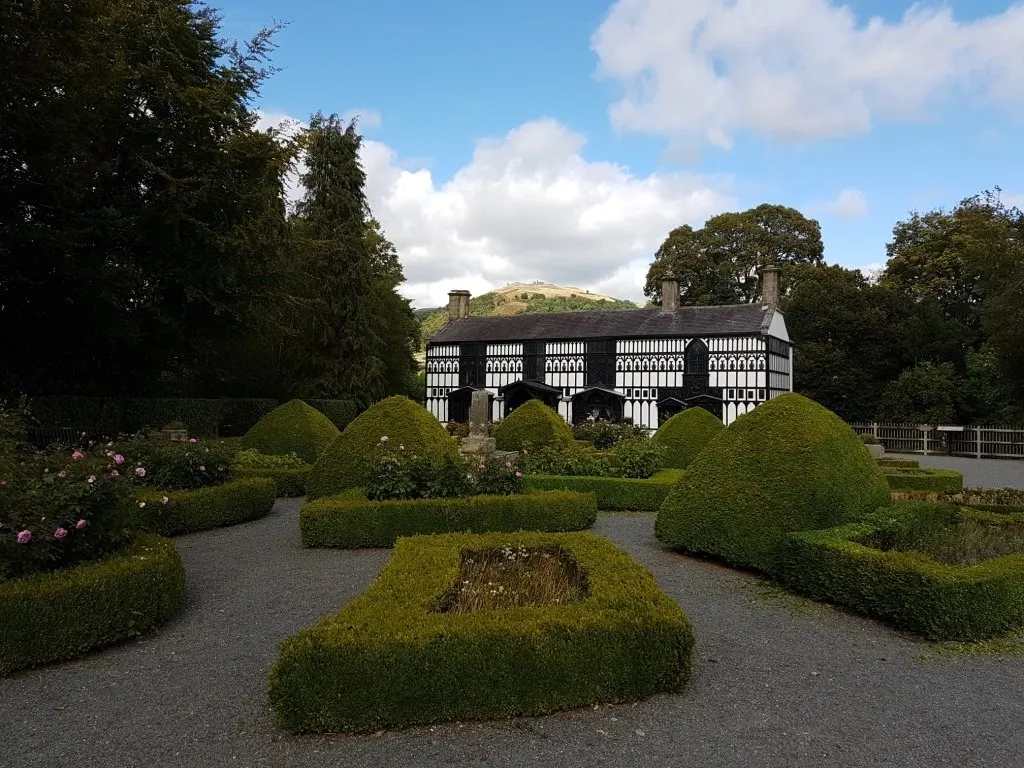
Visit Plas Newydd