Lead was mined in the Minera area for 8,000 years.
Early miners could only work the veins near the surface but, as technology improved during the industrial revolution, deeper and more profitable mining began.
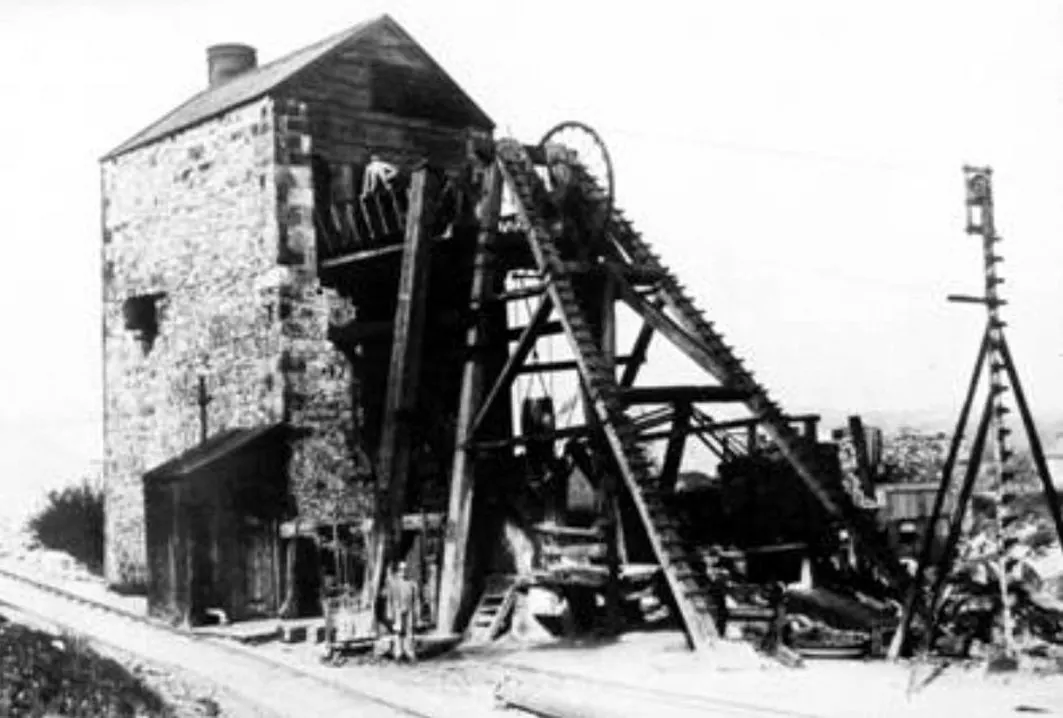
The boom times at Minera lead mines started in the 18th century due to the introduction of steam pumping engines that could drain shafts and tunnels deep in the limestone. It was John Wilkinson, the famous ironmaster from Bersham, who developed the best steam engines in the late 1700s (copied from Boulton and Watt's design!) that made profitable mining possible.
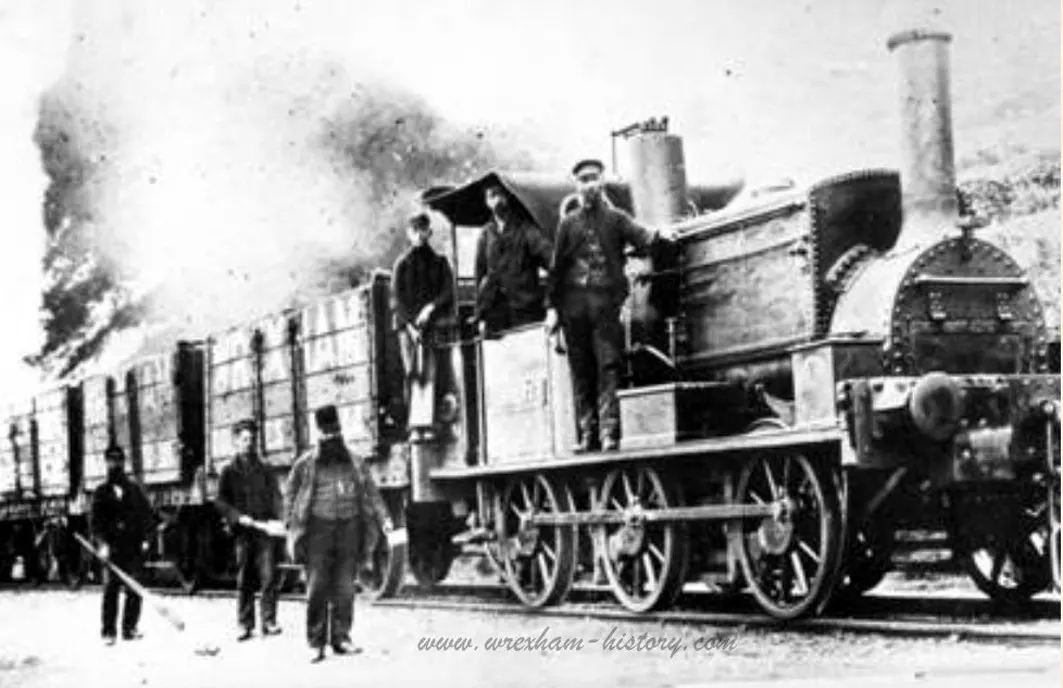
In 1845 John Taylor & Sons, mining agents from Flintshire who already had experience mining at Halkyn, formed the Minera Mining Company. They consolidated the mining leases, put in a new drainage level from Nant Mill to get water out of the mines and invested in new engines and a new railway line. In 1852 lead ore was, once again, being mined at Minera.
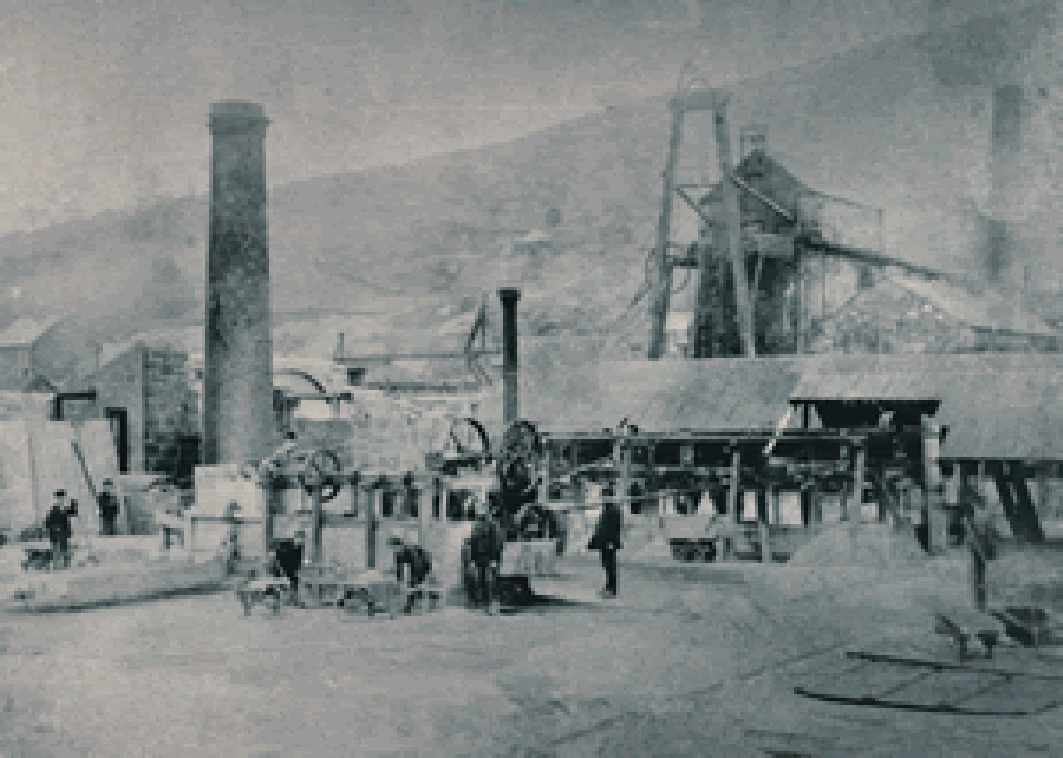
The miners discovered new reserves of lead deeper underground. It was boom time. The Taylors had started off with £30,000 to invest in their mining venture; the profits for 1864 alone were over £60,000.
The good times continued into the 1870s, but there were problems ahead. The price of lead started to fall, while the price of coal to keep the pumping engines running rose. Reserves of lead were starting to run low. Zinc, the other metal mined at Minera, also fell in price. By the late 1890s, mining at Minera no longer made much economic sense.
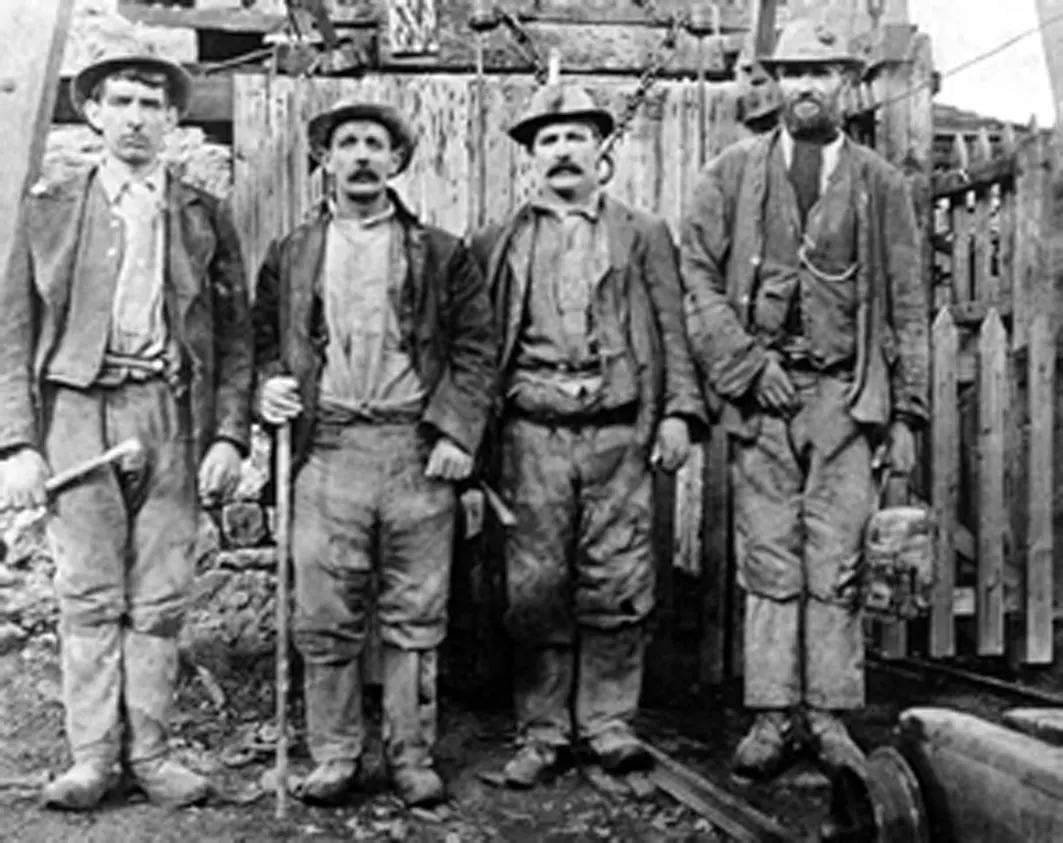
In 1909 the mining company decided the pumping engines were too expensive to run. The mines started to flood. In 1914 lead mining stopped. The machinery was sold and the last few miners helped the owners salvage the remains of the business. It was the end of an era for Minera.
Information courtesy of Wrexham Heritage Service