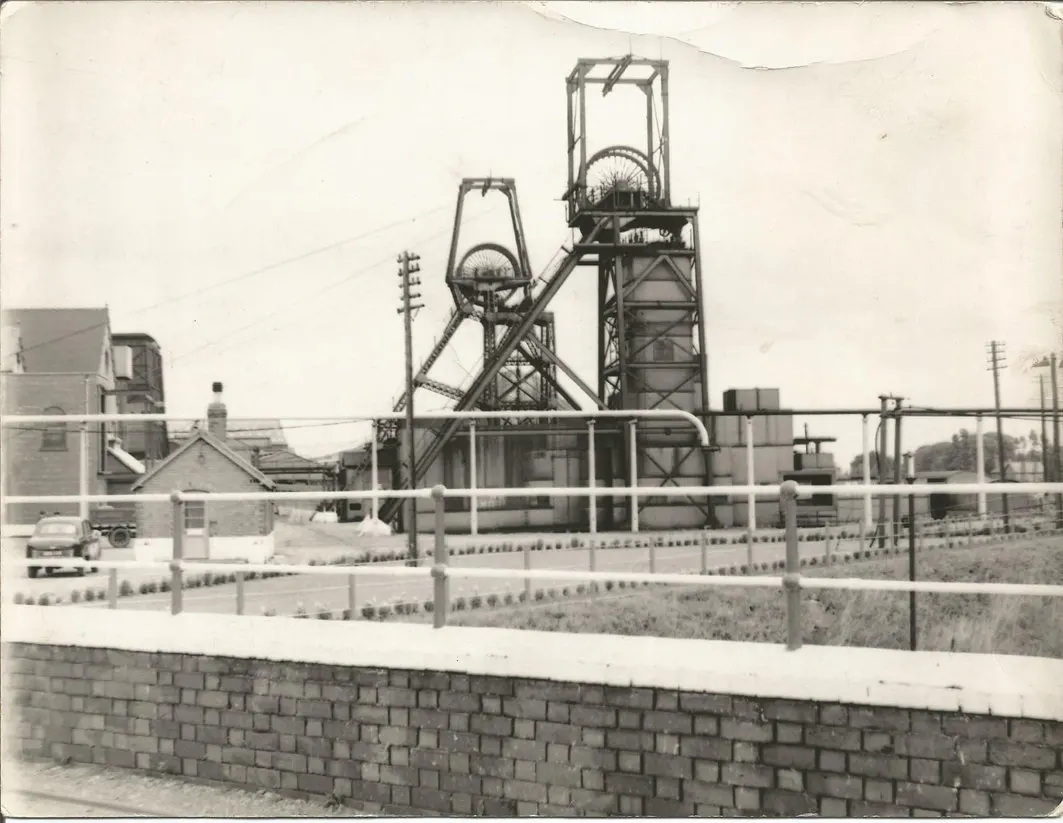
Coal has been a valuable local resource for centuries.
As early as the 14th century, the Burgesses of Holt jealously guarded their right to dig for coal in the 'wastes' of Brymbo and Coedpoeth. In 1536 John Leland, the travel writer, records the existence of coalmining around Mold and at a place called 'The Mines', modern-day Minera.
During the 17th century, demand for coal grew as more houses had chimneys. In Denbighshire, Sir Thomas Myddelton employed a man 'that is goode to find coales' on his estate at Chirk. By 1690 the coal mine at Black Park on the Chirk estate was producing 3,500 wagons of coal a year.
Coal mining expanded in the 18th century. Established industries such as Bersham ironworks started to use coal. Coal also opened up new opportunities. The fireclay found alongside the coal was put to profitable use: pottery in Buckley and bricks, tiles and terracotta in Ruabon and Acrefair. In the 19th century, the railways heralded coal's golden age: coal to make the iron rails, and to power the steam locomotives.
However, the profits came at a high price. Coal mines are dangerous work places. Coal miners risk injury and death every day. Floods, roof falls, fire, explosions and poisonous gases are a constant threat. The risks were greater in the nineteenth century pits as the owners did not see health and safety as their responsibility. Almost every week, the Wrexham Advertiser printed news of another colliery accident and there were many fatalities, the largest being the Gresford Disaster in 1934.