Working conditions in the pits were hard but community spirit was strong within the mining villages.
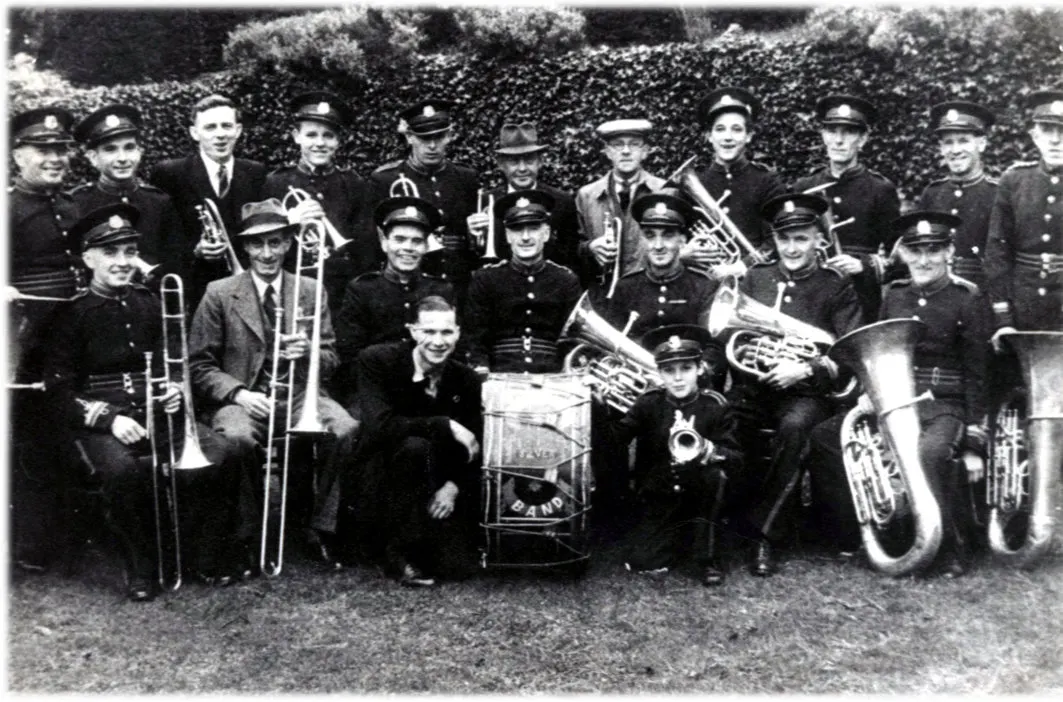
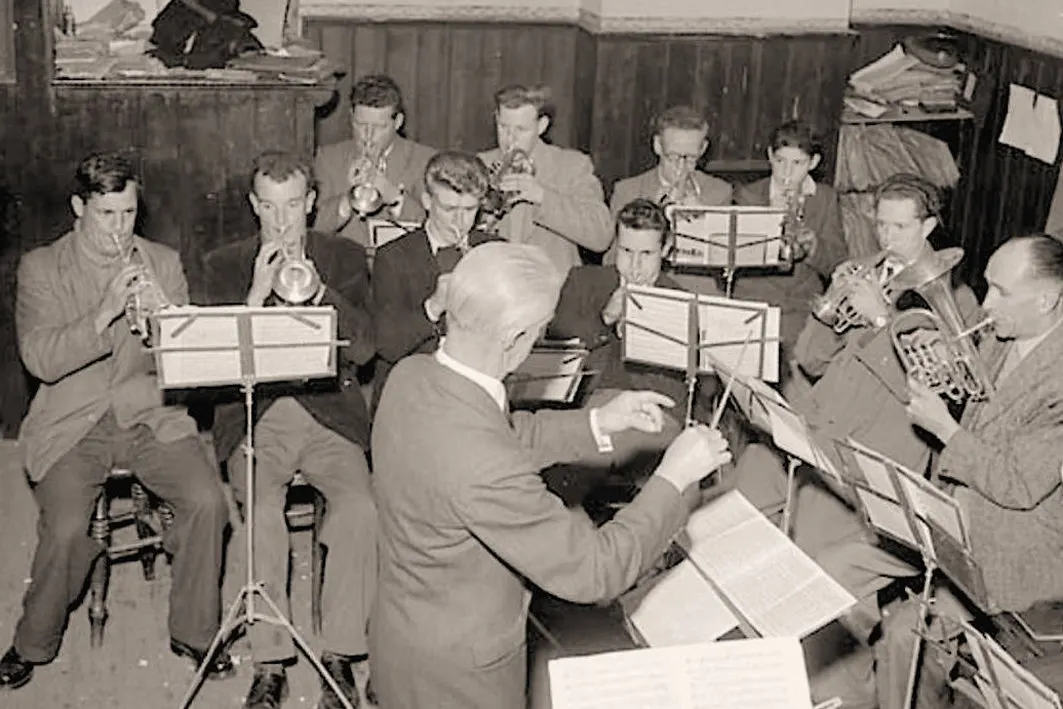
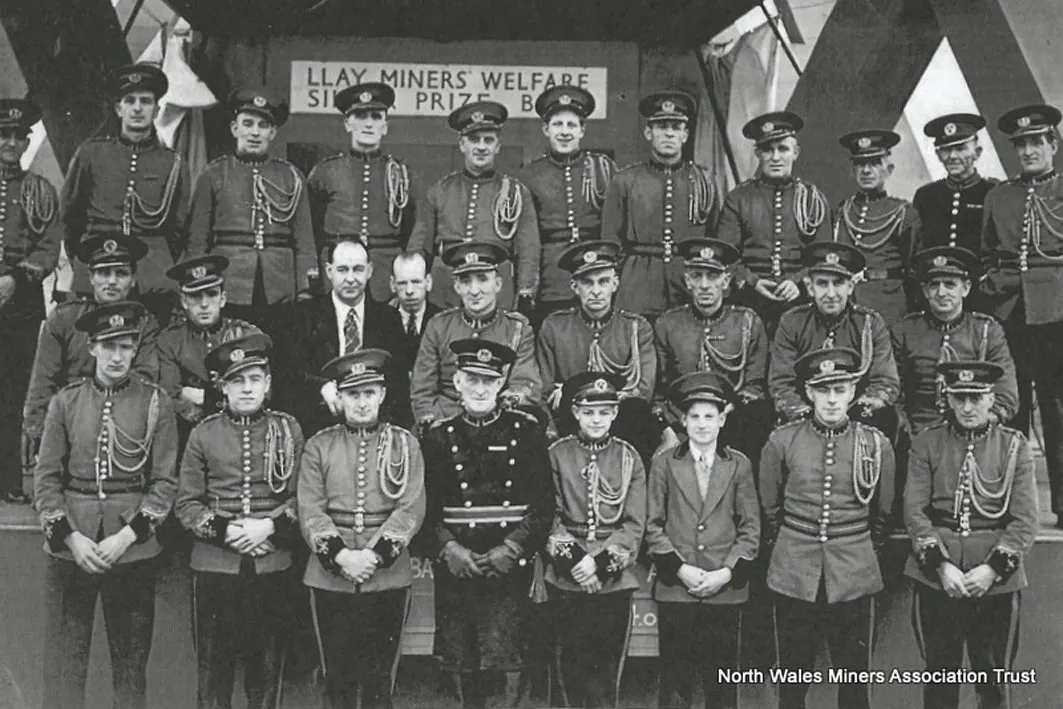
Music was a strong tradition with many pits having their own band and choir. Rhosllannerchrugog (Rhos), near Hafod Colliery, was a particularly musical village, and is still renowned for its choirs. In the early 20th century, chapel was an integral part of life in the mining villages. Many miners began singing in chapel or church choirs and continued into adulthood.
‘The mine was the ideal venue for our own concerts with the music carrying down all the tunnels. We had some very good singers, and a lot of travelling time to use up walking and in the cages too, so we used to sing and sing, almost anything. One or two of us would be the leaders and it was top quality music to hear every day, what a treat at work.’
John Hughes, Hafod colliery
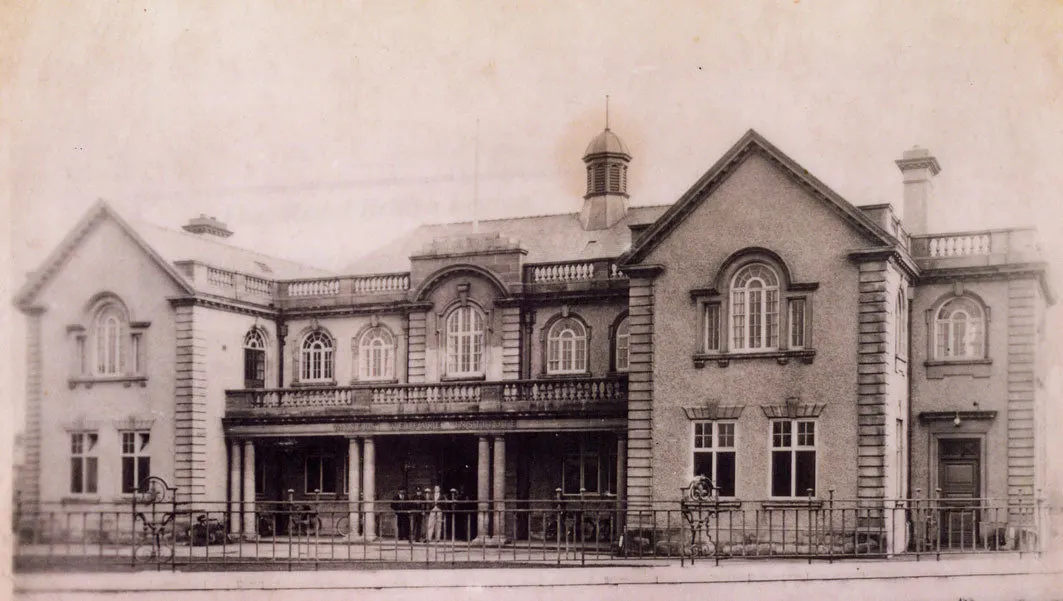
For some mining communities, life revolved around the Miners' Institutes in Wrexham (now Wrexham mosque), Llay and Rhos (see entries for Llay and Hafod collieries).
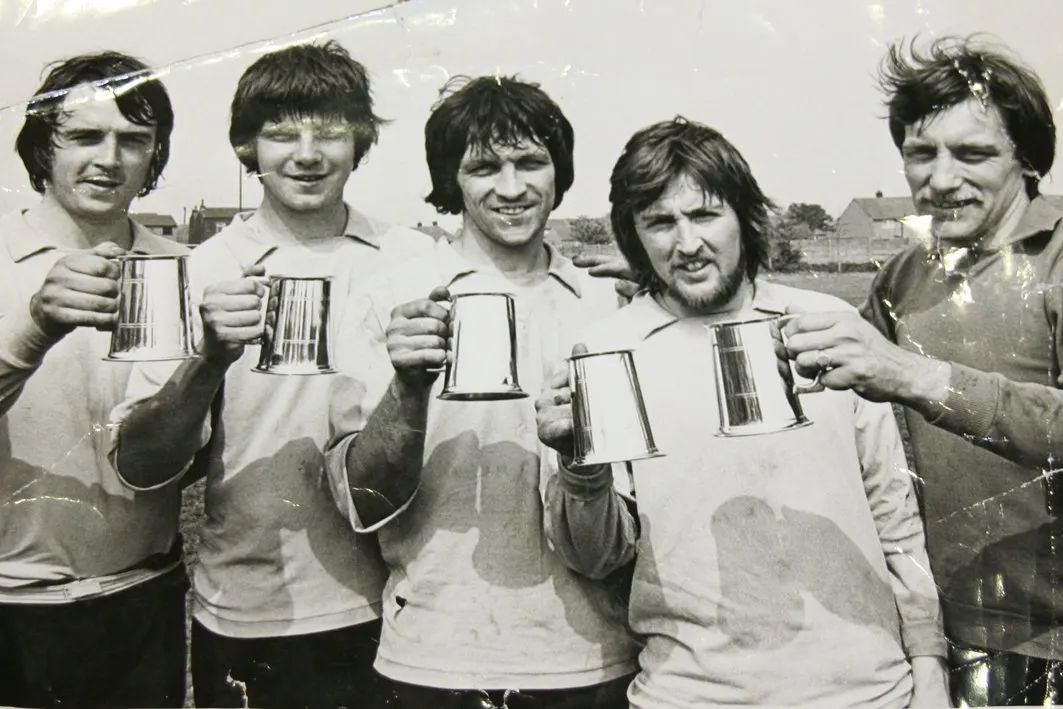
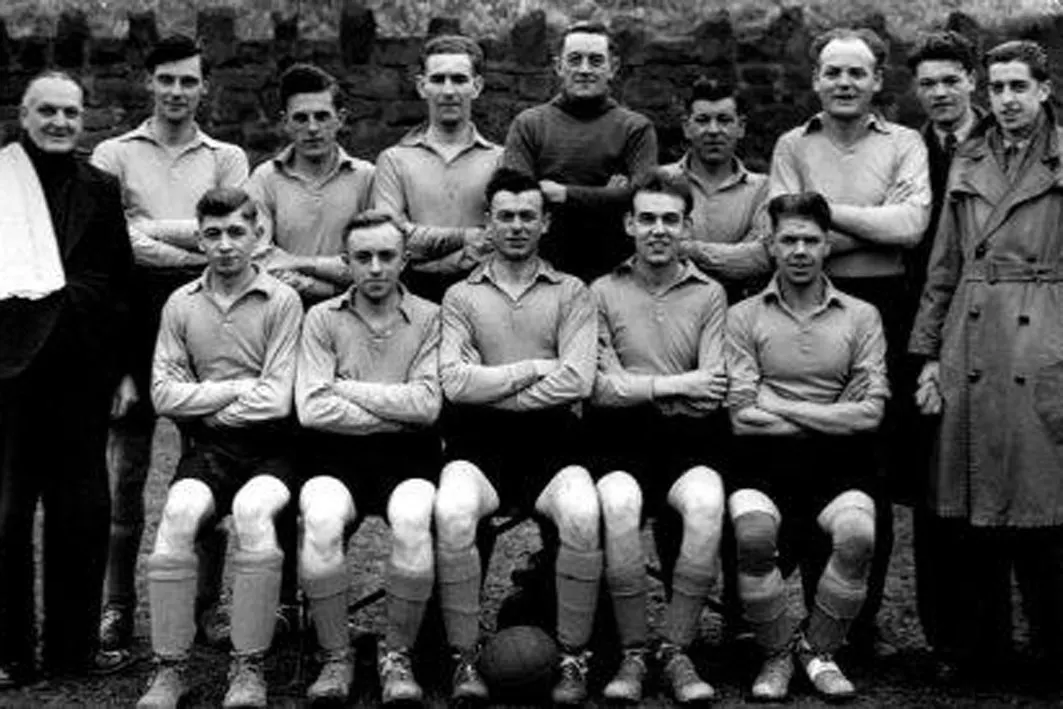
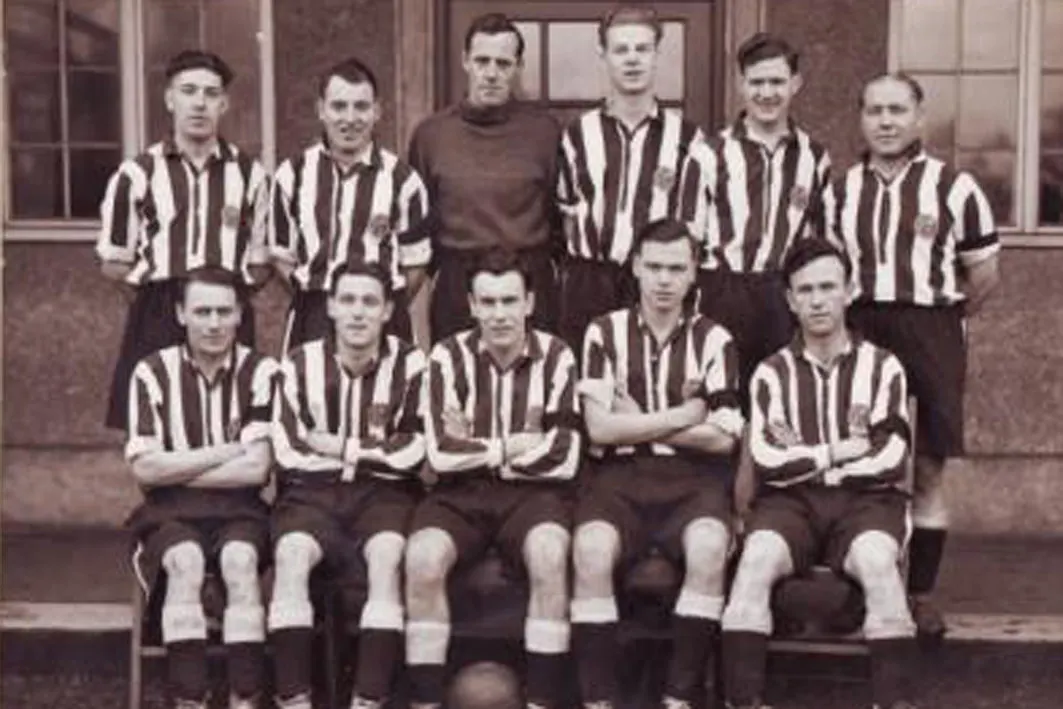
For many, sport was a popular past time and some collieries had their own football and cricket teams. Llay has a strong footballing tradition. Llay Main football team was started in the 1920s but, in the early days, had problems turing out teams for fixtures due to the colliery shifts. As the workforce grew, player numbers increased and other teams were formed in the village. Llay Welfare Football club was established in 1930 and is still going strong today.