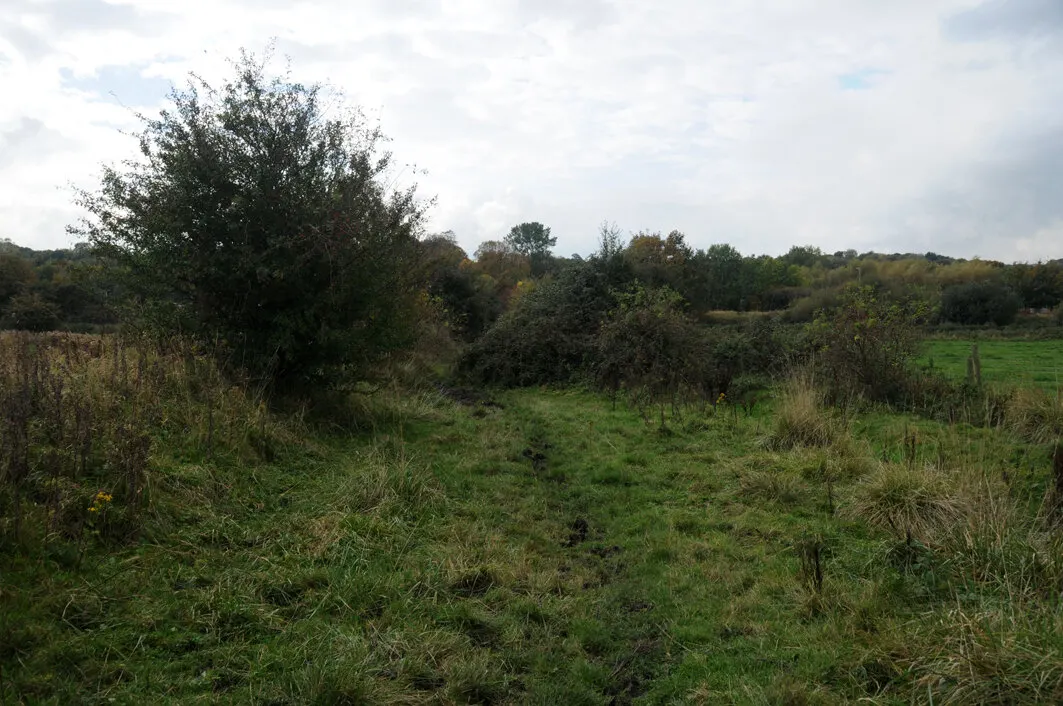
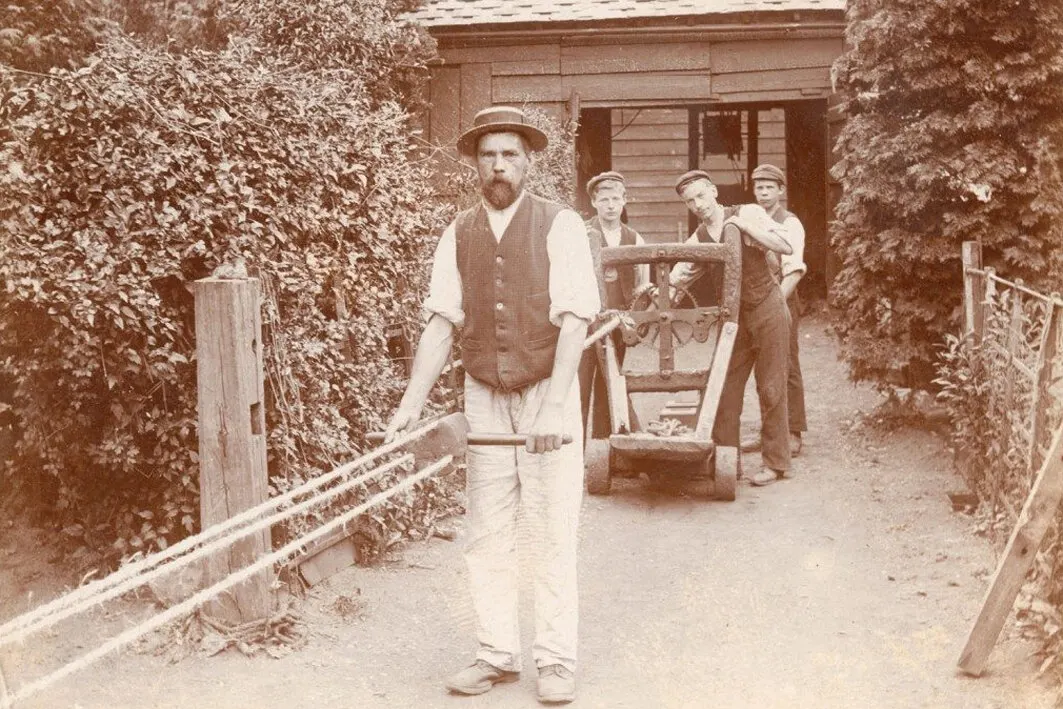
Dee Bank Rope Walk was the longest in Britain, measuring 1100ft.
This was one of two rope walks in Bagillt and was uncovered except for small buildings at either end. It's thought that longer ropes for shipping and mining were made here while the shorter, covered walk produced ropes for agriculture and home use.
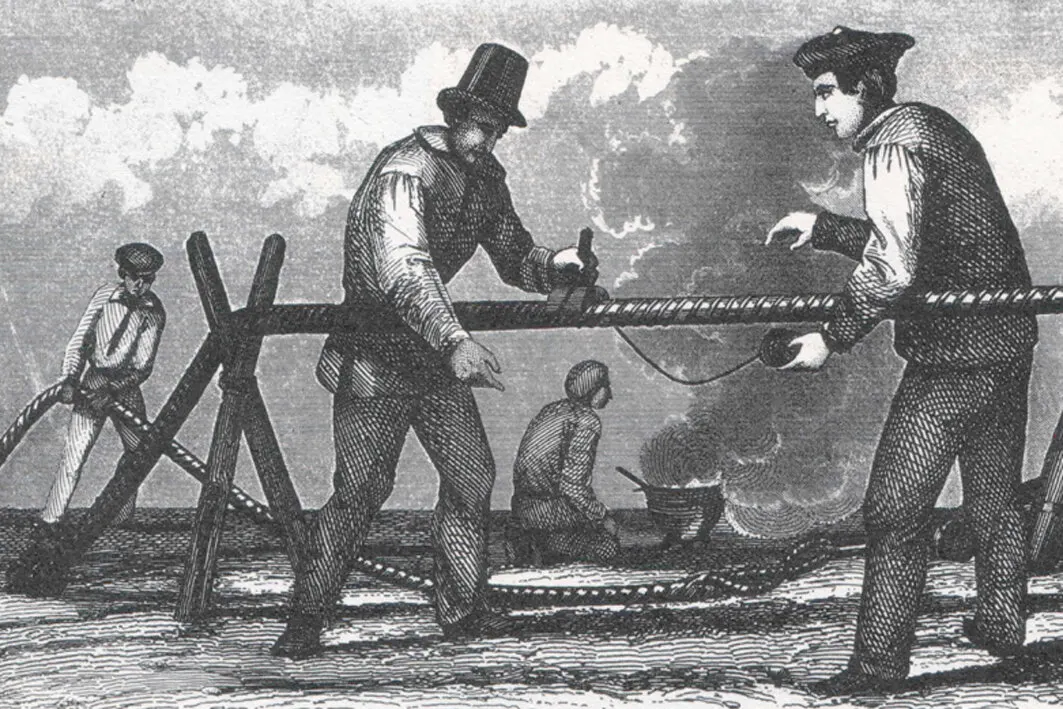
Sailing ships needed rope for anchors and rigging - one ship could easily carry 35km of rope! Rope was also needed to load cargoes and in the mines. As Bagillt docks grew in importance and mining expanded, the demand for ropes increased. The twisting of hemp fibres to make strong ropes had to be done in straight lines and was often done outdoors due to the fire risk from heating the tar that was used to make the nets waterproof.
The sunken area next to the ropewalk was a lagoon used originally in lead processing and later for flushing the dock when it was home to some fine eels.
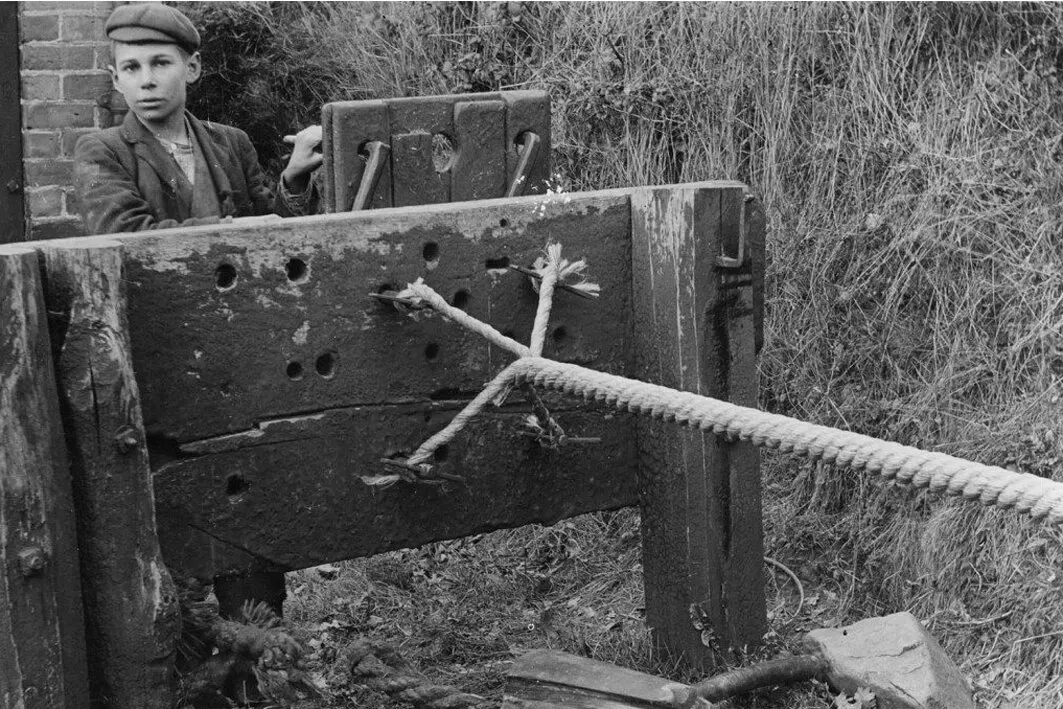
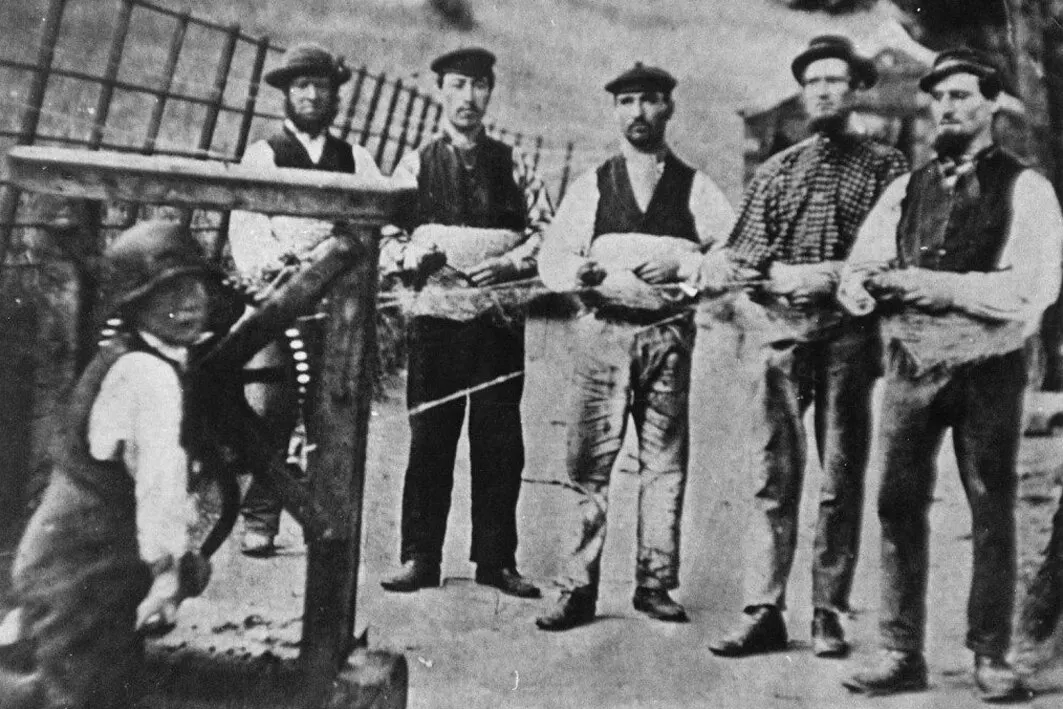
Ropemaking at Bewdley photographs © Bewdley Museum Collection