Photograph courtesy of Flintshire Record Office 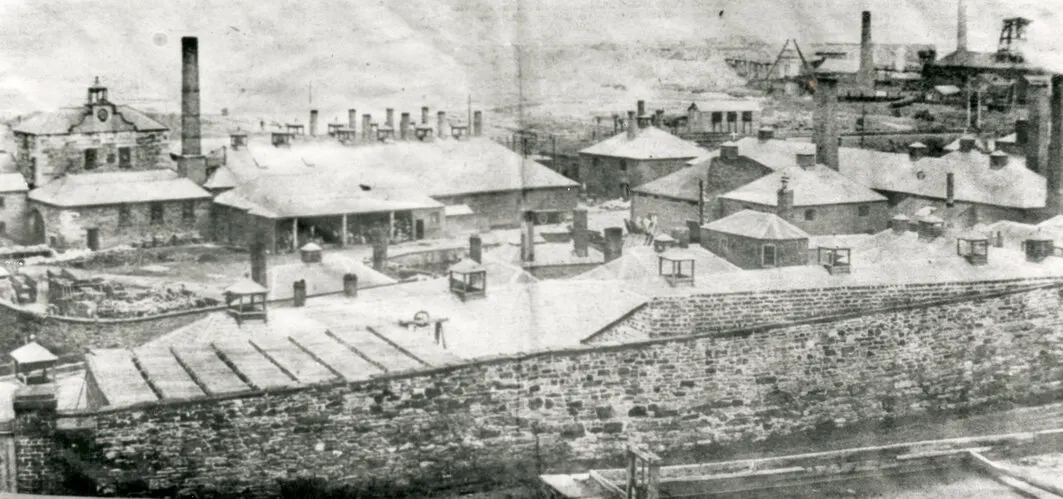
Photograph courtesy of Flintshire Record Office 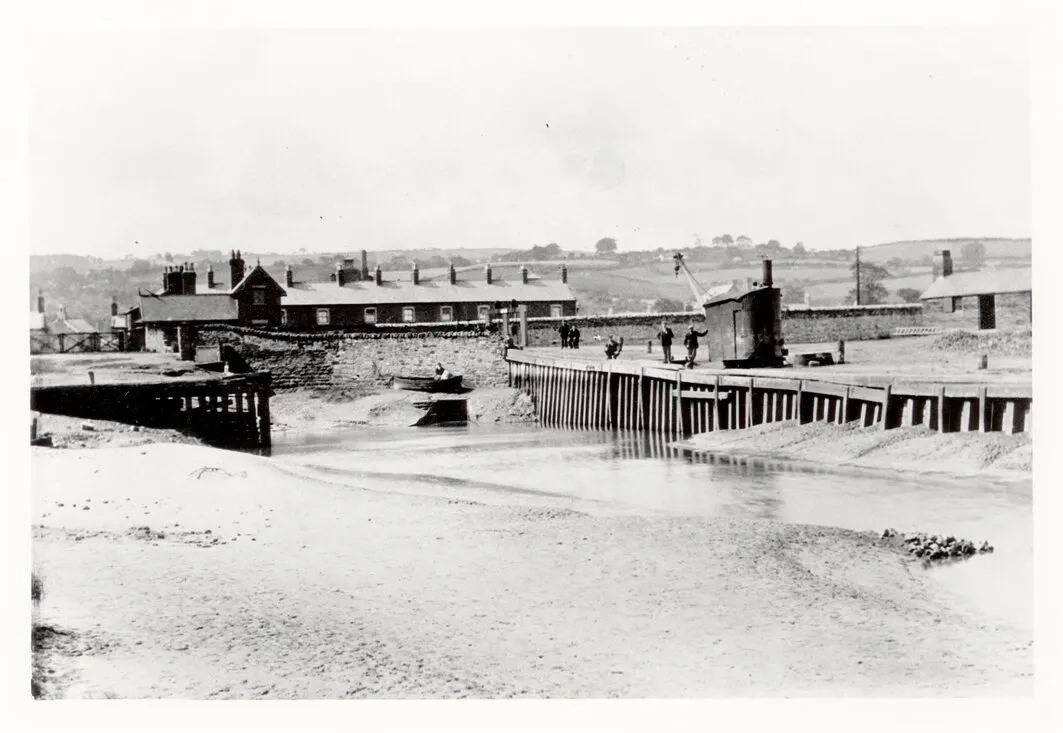
Photograph courtesy of Flintshire Record Office 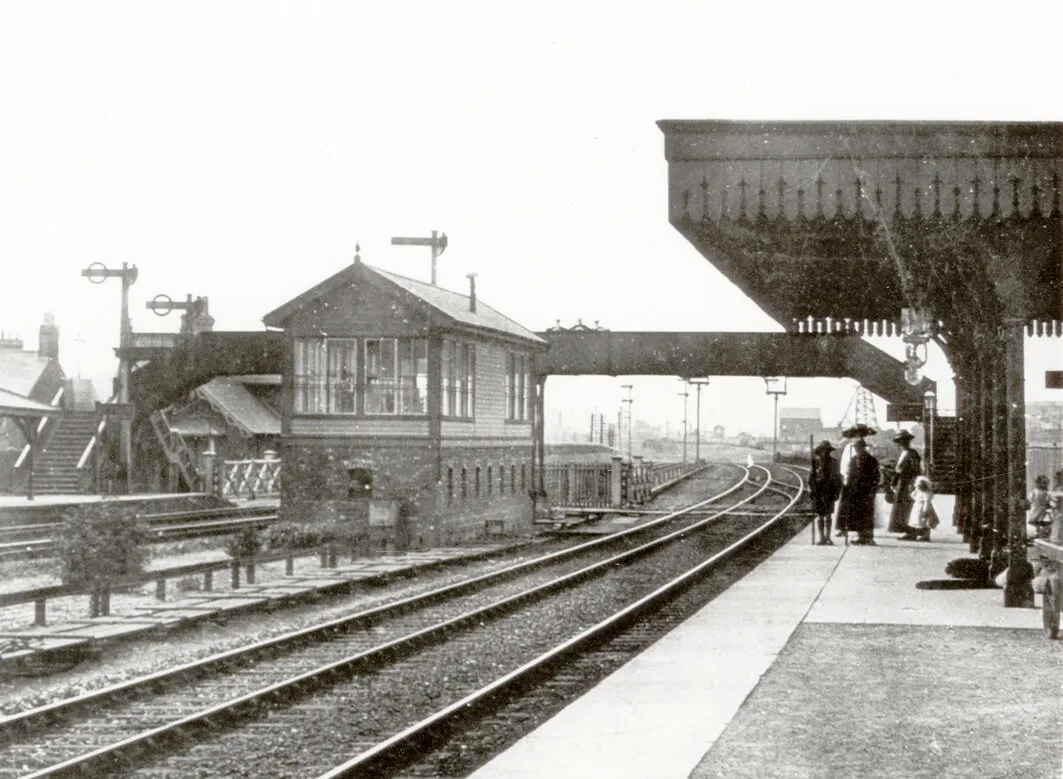
Photograph courtesy of Flintshire Record Office 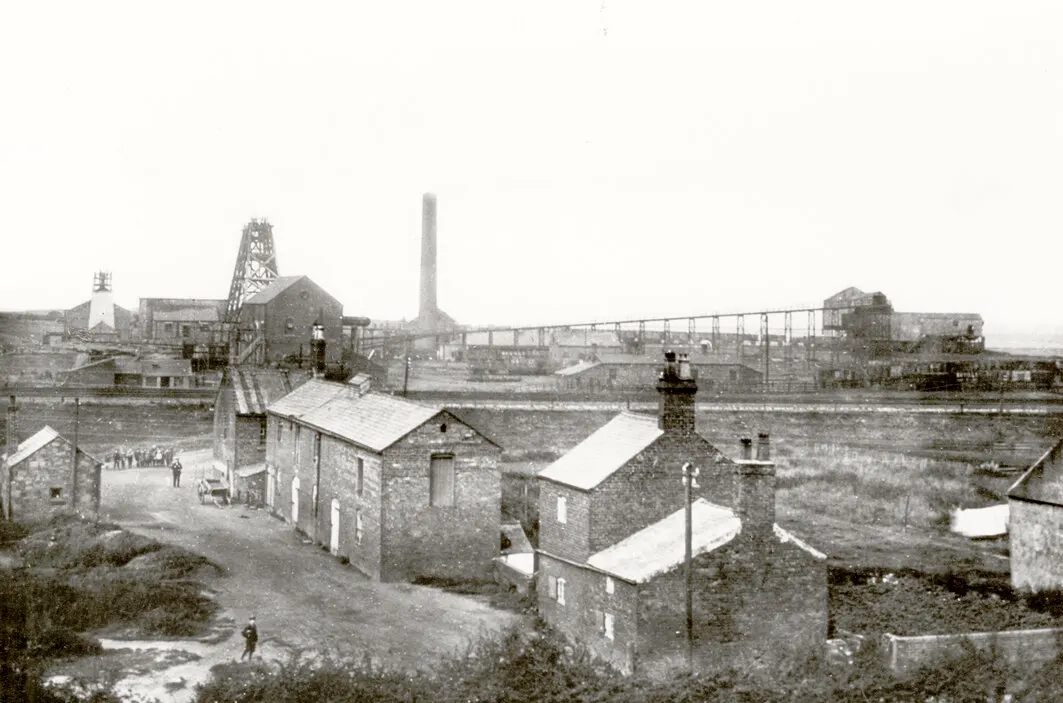
Photograph courtesy of Flintshire Record Office 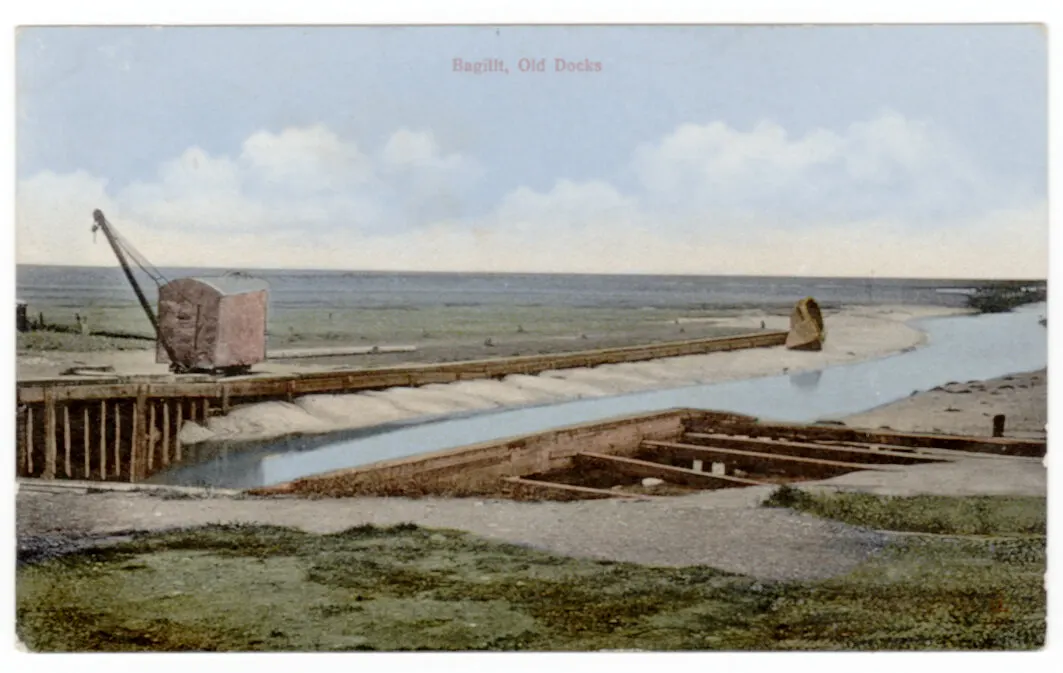
Photograph courtesy of Flintshire Record Office
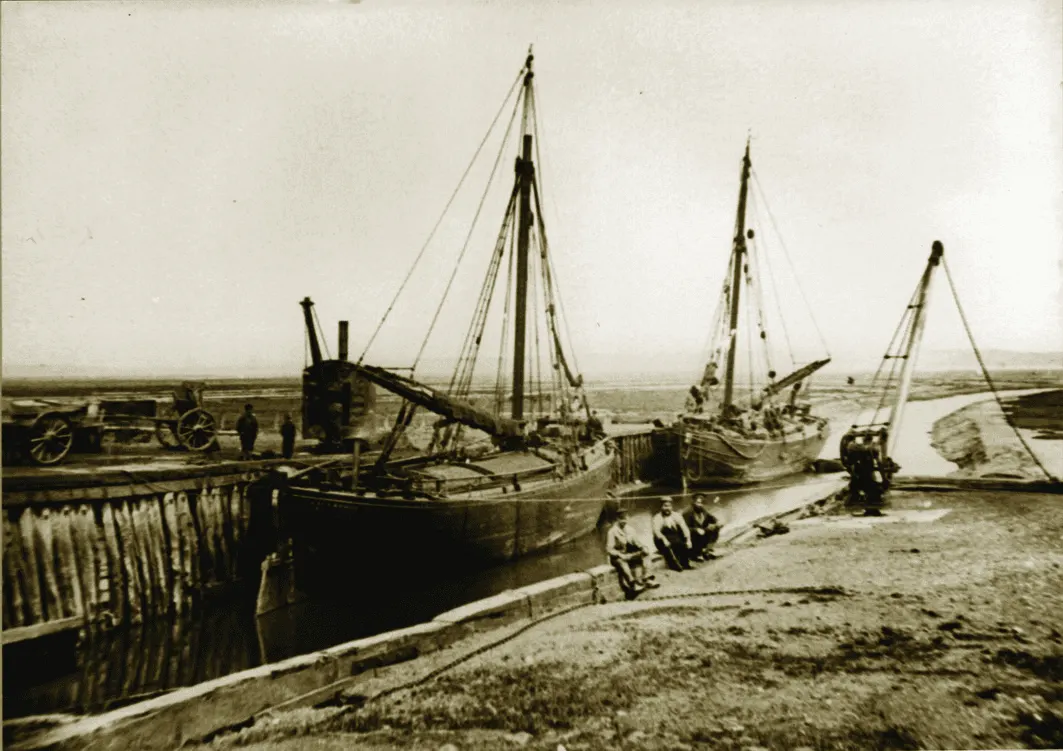
Bagillt was a bustling port in the 1700 and 1800s.
At one time over a quarter of the lead produced in Britain came here to be smelted while the village also had 11 coal pits, a brass and copper works and a rope walk, said to be the longest in Britain.
Bagillt is listed in the Domesday Book as Bachelie, meaning the meadow of Bacca but other residents suggest that it comes form Baeddgwllt meaning the wild boar.
Close by is Hen Blas Castle, fortified by Henry II after the Battle of Coleshill in 1157 and later the home of Llywelyn Fawr as well and the birthplace of his son, Dafydd ap Llywelyn, Prince of Wales in 1208.
By 1600 Bagillt was listed as one of the main collieries along the Flintshire coast and trade in coal to Ireland flourished.
London Lead Company developed a revolutionary technique for smelting using coal and built Gadlys Smelting House at Bagillt in 1704, close to the coal mines and the River Dee that was essential for transport.
St Mary's Church, consecrated in 1839, was one of the first churches in the diocese to be lit by gas, supplied free of charge by the Old Lead Works Company next to the churchyard.
Today little remains of the industry and the area is once again a haven for wildlife and the perfect place to relax and enjoy the fabulous views over the estuary.