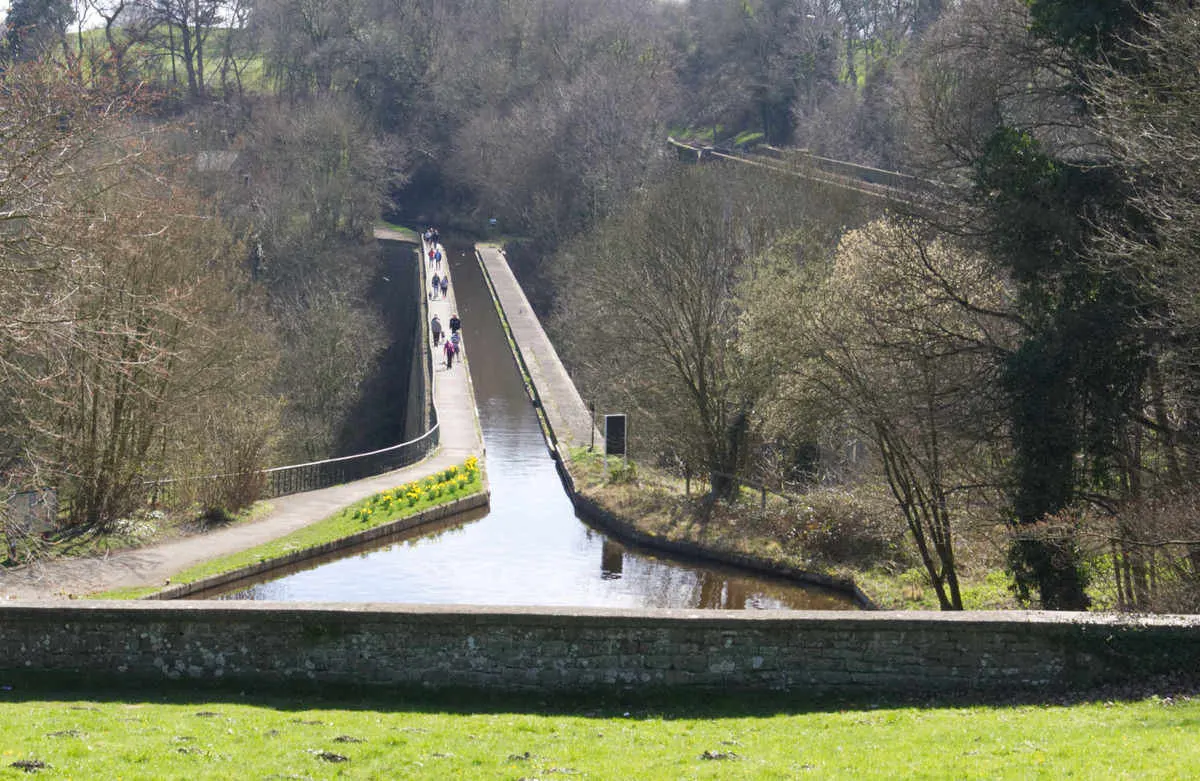
Aqueduct and Viaduct
Parking: Caffi Wylfa car park.
Facilities: Snacks and meals at Caffi Wylfa
The trail begins in Caffi Wylfa where you can sit and plan your exploration while enjoying a drink and something to eat. Scroll around the trail overview map to see where the points of interest are situated such as the Chirk Aqueduct.
Tap here to see the trail overview map
There is nowhere to park a car at the 2nd point of interest, Pontfaen, so it is better to park in the Caffi Wylfa car park and follow the delightful 'Crossing the Valley Walk' and see both points 1 and 2. The walk crosses the river over the old stone bridge and returns to Caffi Wylfa on the towpath across the aqueduct. It is less than 2 kilometres, some of the paths may be muddy and there are several stiles.
Tap here for Crossing the Valley Walk map and description
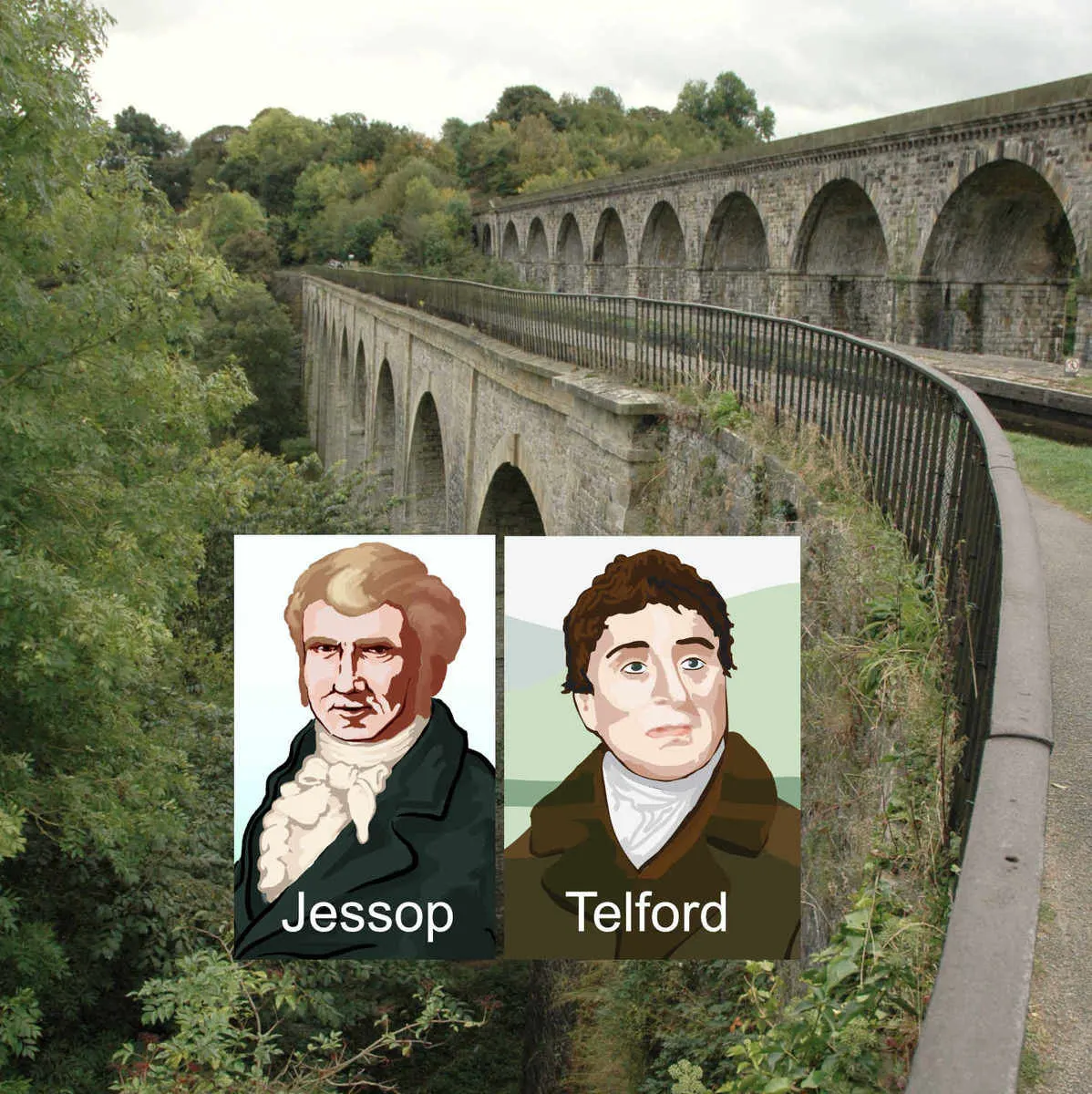
Chirk Aqueduct
Thomas Telford and William Jessop began building Chirk Aqueduct to take the Ellesmere canal across the Ceiriog Valley in 1796. It was completed five years later and before Thomas Telford built his famous ‘stream in the sky’ - the Pontcysyllte Aqueduct. Chirk Aqueduct is built in yellow sandstone which hides an iron trough. Originally there was only an iron base, however due to leakage iron side-plates were added in 1870.
Pontcysyllte World Heritage Site
Tap for World Heritage Site map
The Ellesmere Canal (now known as the Llangollen Canal) starts near the Horseshoe Falls taking water from the River Dee. It was constructed to link the mineral and coal industries of North Wales with the Midlands and the intention was to connect to the sea at Ellesmere Port by joining the Shropshire Union Canal at Chester. The section from Trefor Basin to Chester was never built however as the railways proved to be a more viable means of transport. The narrow canal from the Horseshoe Falls to the Trevor Basin that was intended only to feed water into the main canal system and the two spectacular crossings of the Pontcysyllte and Chirk aqueducts have made this one of Britain’s most popular canals.
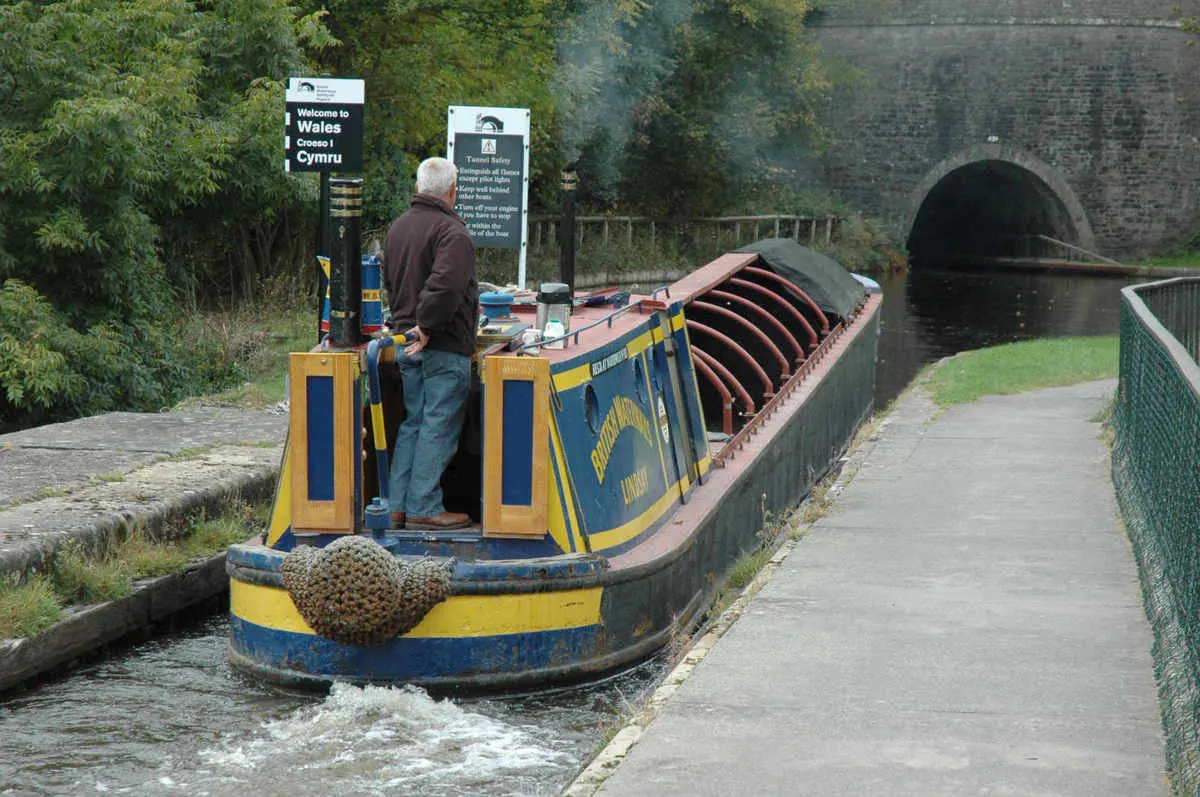
Chirk Tunnel
Immediately to the north of the Chirk Aqueduct is ‘The Darkie’, a 365 metre tunnel. Best explored with a torch to penetrate the gloom.
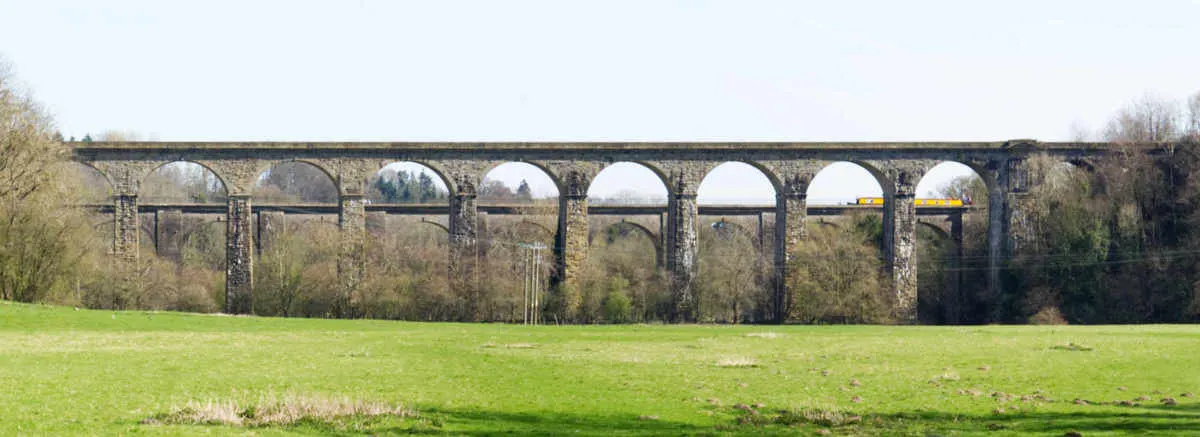
Chirk Viaduct
Alongside the aqueduct is Henry Robertson’s railway viaduct built between 1846 and 1848 although the ends were rebuilt in 1858. Henry Robertson was an industrialist, engineer for the Shrewsbury to Chester Railway and the owner of Brymbo Ironworks. The viaduct was deliberately built 9 metres higher than the aqueduct to express the superiority of rail transport over waterways. Apparently Robertson had to survey the route of the railway at night to avoid the wrath of the local landowners.
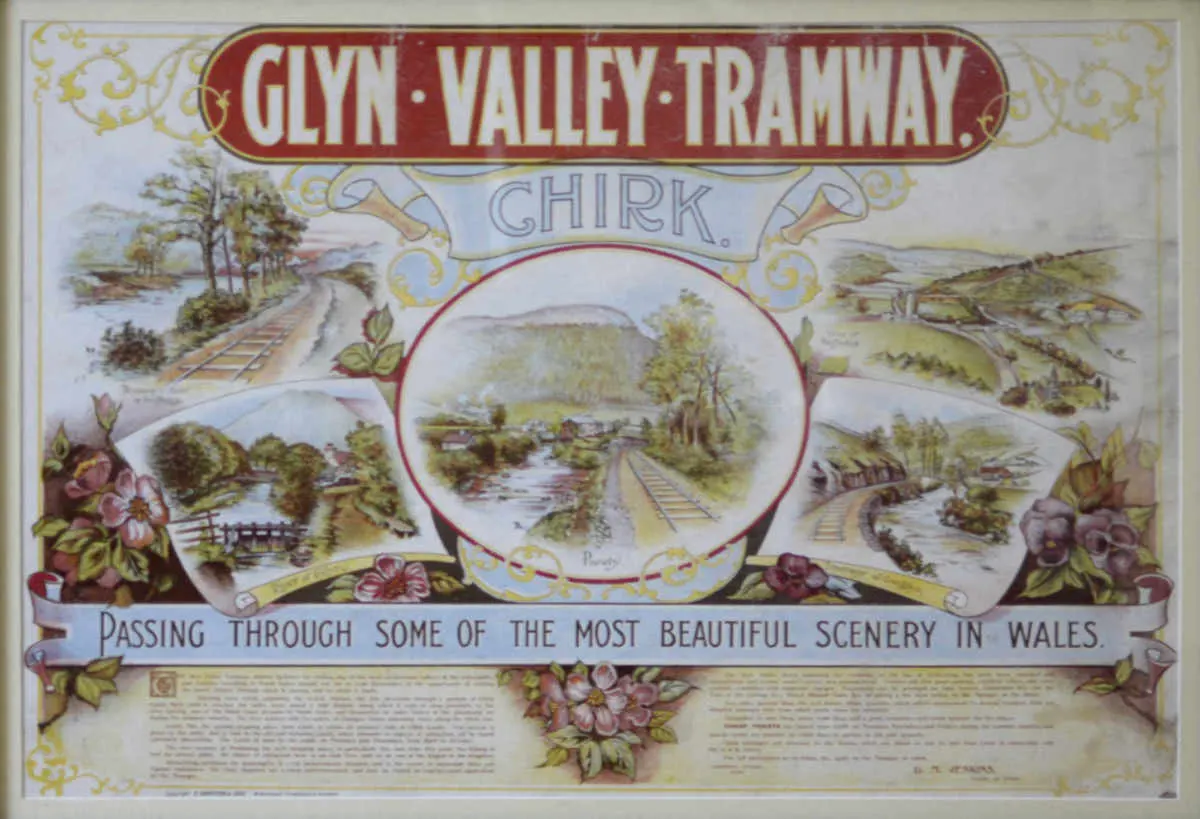
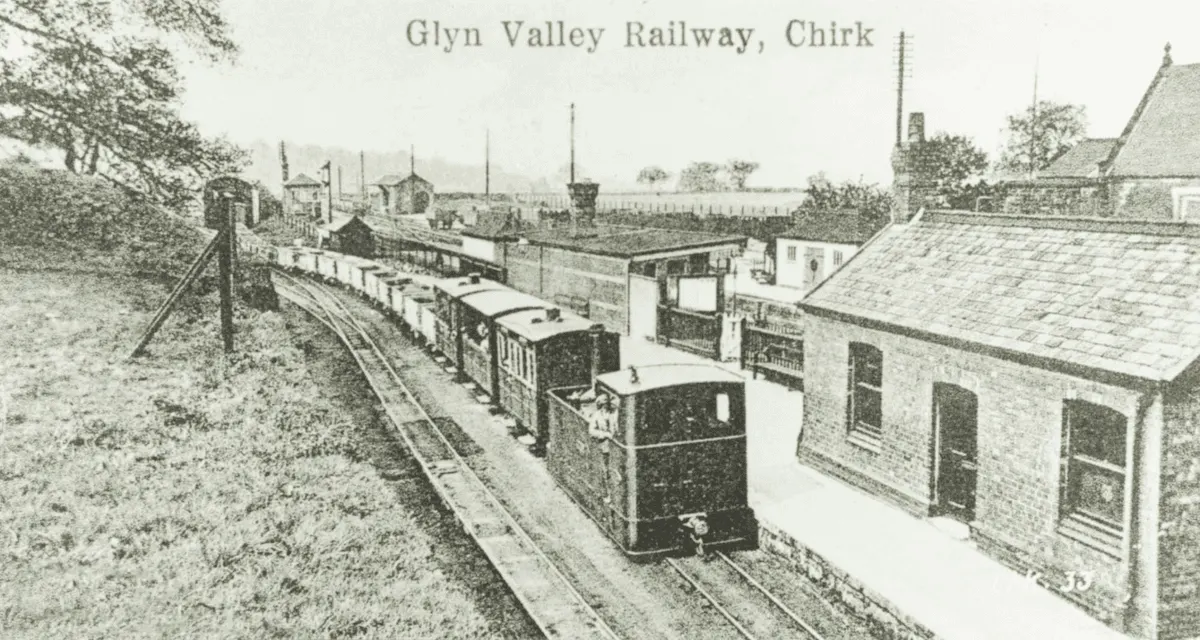
Glyn Valley Tramway
The Glyn Valley Tramway was a narrow gauge (2 foot 4.5 inches) railway, which ran from Chirk 13.3 km up the Ceiriog Valley. Originally as a horse-drawn tramway it joined the Ellesmere Canal at Gledrid. With its conversion to steam in 1888 it was diverted to end at Chirk Station where it linked with the Shrewsbury to Chester Railway. For decades the tramway ran successfully providing transport for goods and passengers, the last passenger train ran on the 6th April 1933 and the tramway closed on 6th July 1935.
Nature Note
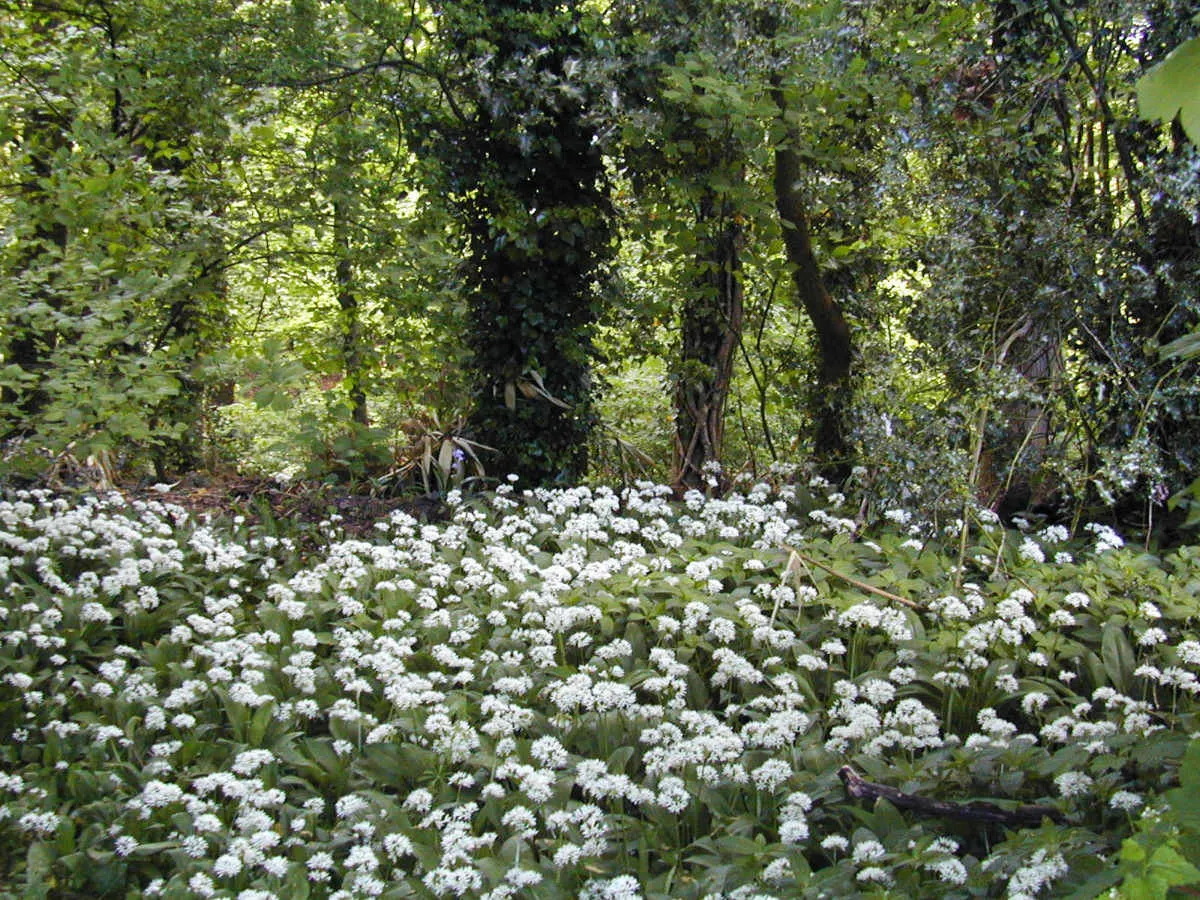
The north side of the valley from Caffi Wylfa to Pontfaen bridge is covered in wild garlic which is intensely aromatic in spring when it flowers. Locals believe that its profusion is the reason why there are no vampires in the valley.