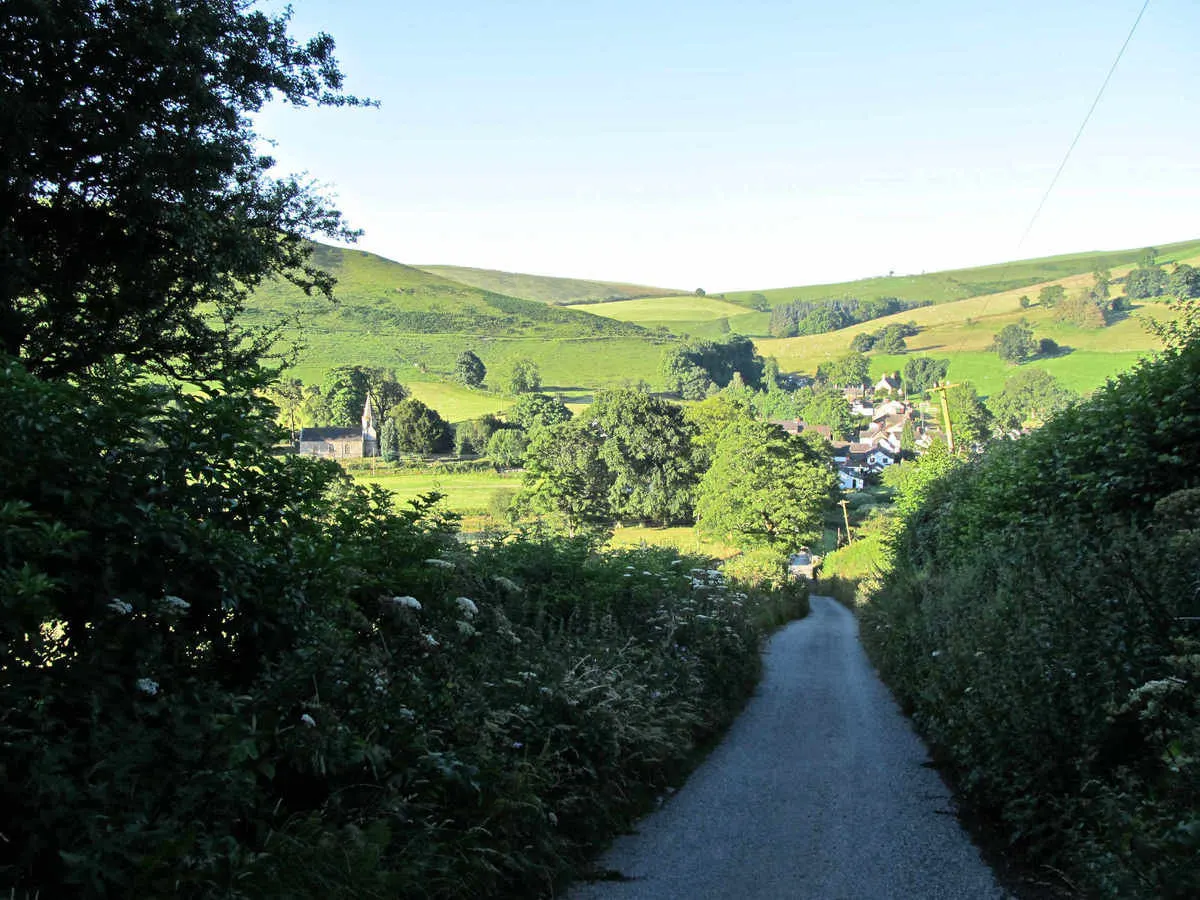
Llanarmon Dyffryn Ceiriog
Parking: in the village centre.
Facilities: The Hand at Llanarmon - pub and restaurant. The West Arms - pub and restaurant.
Llanarmon Dyffryn Ceiriog roughly translates into English as ‘the church of Garmon in the Ceiriog Valley’.
Drovers 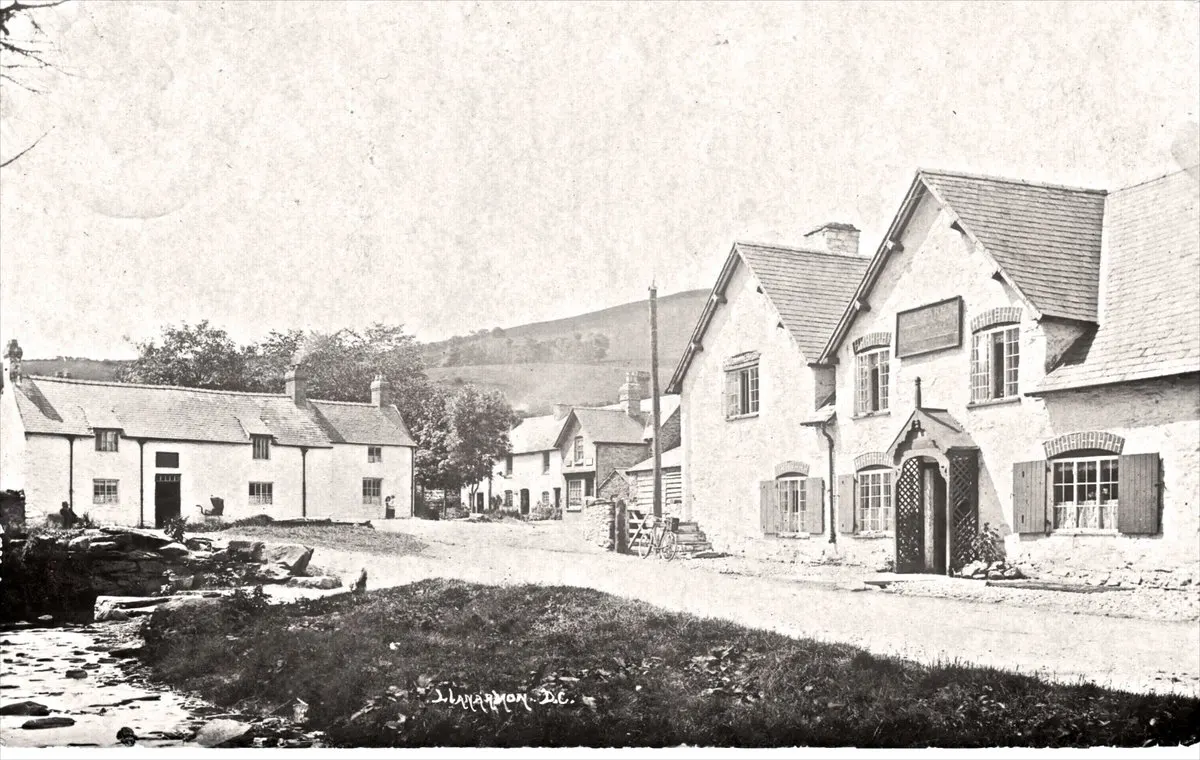
Village Green 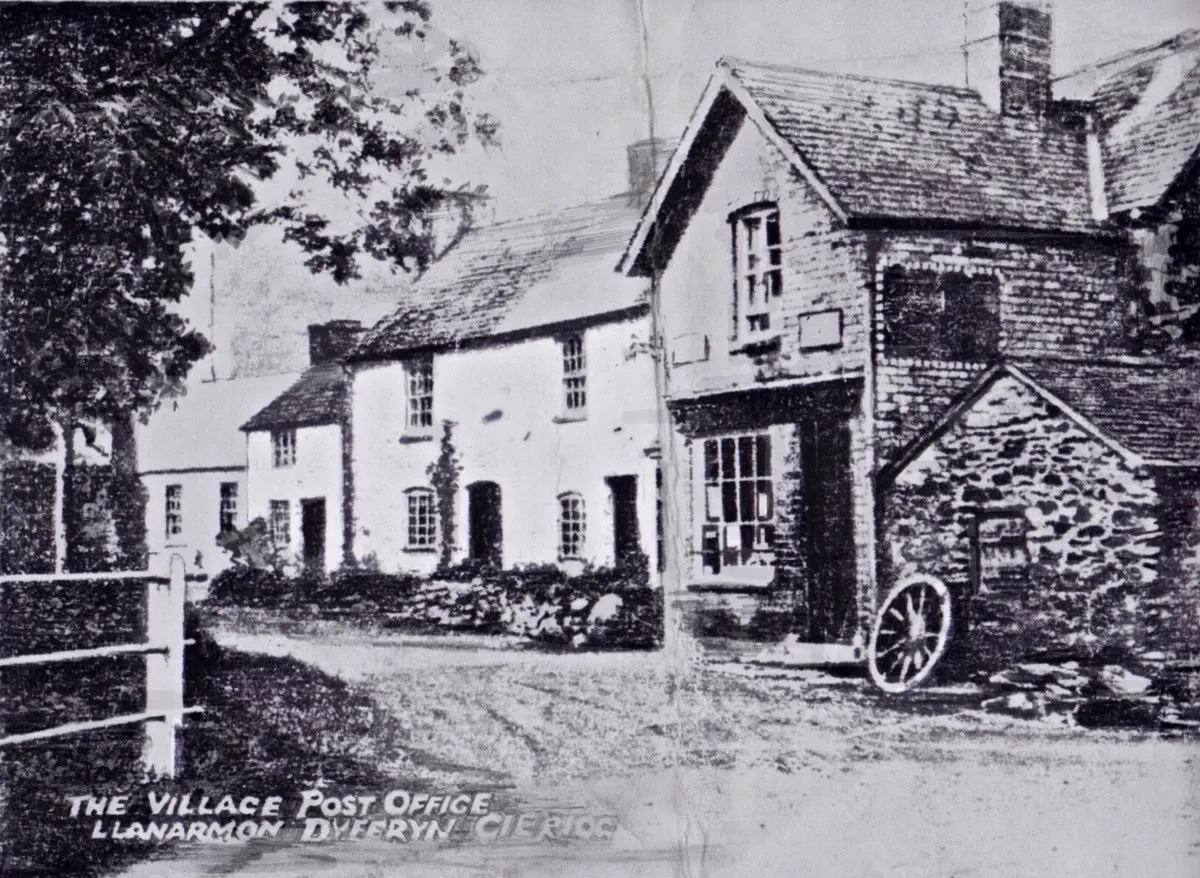
Post Office and Smithy 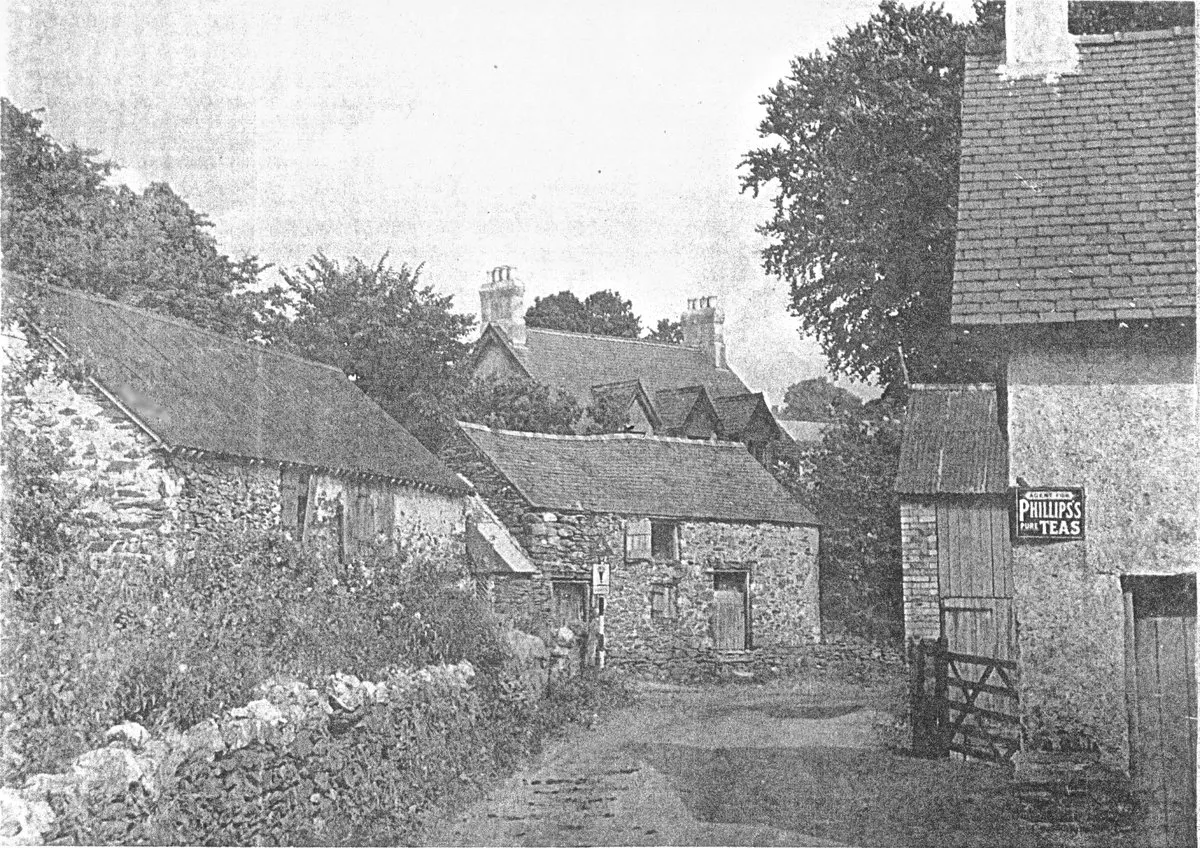
Nant y Glog 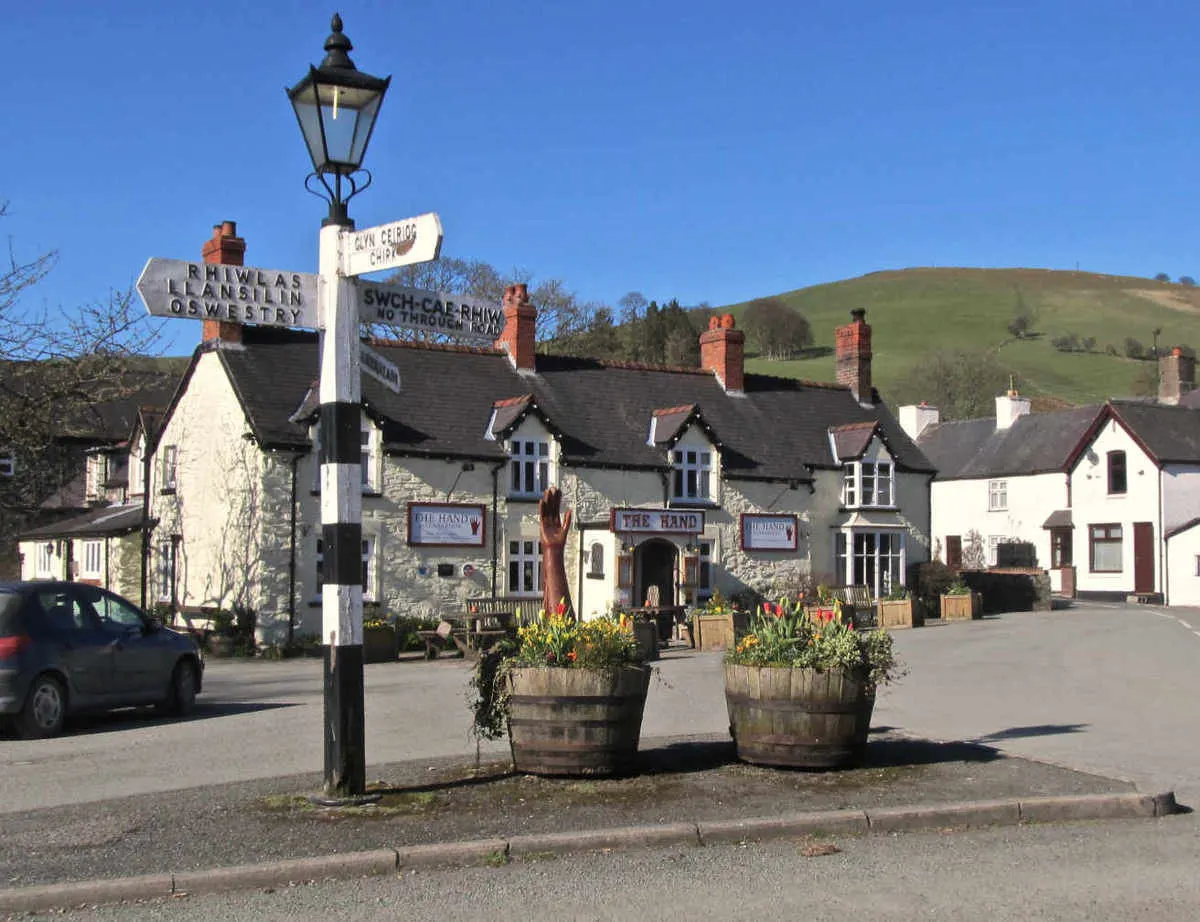
Crossroads today.
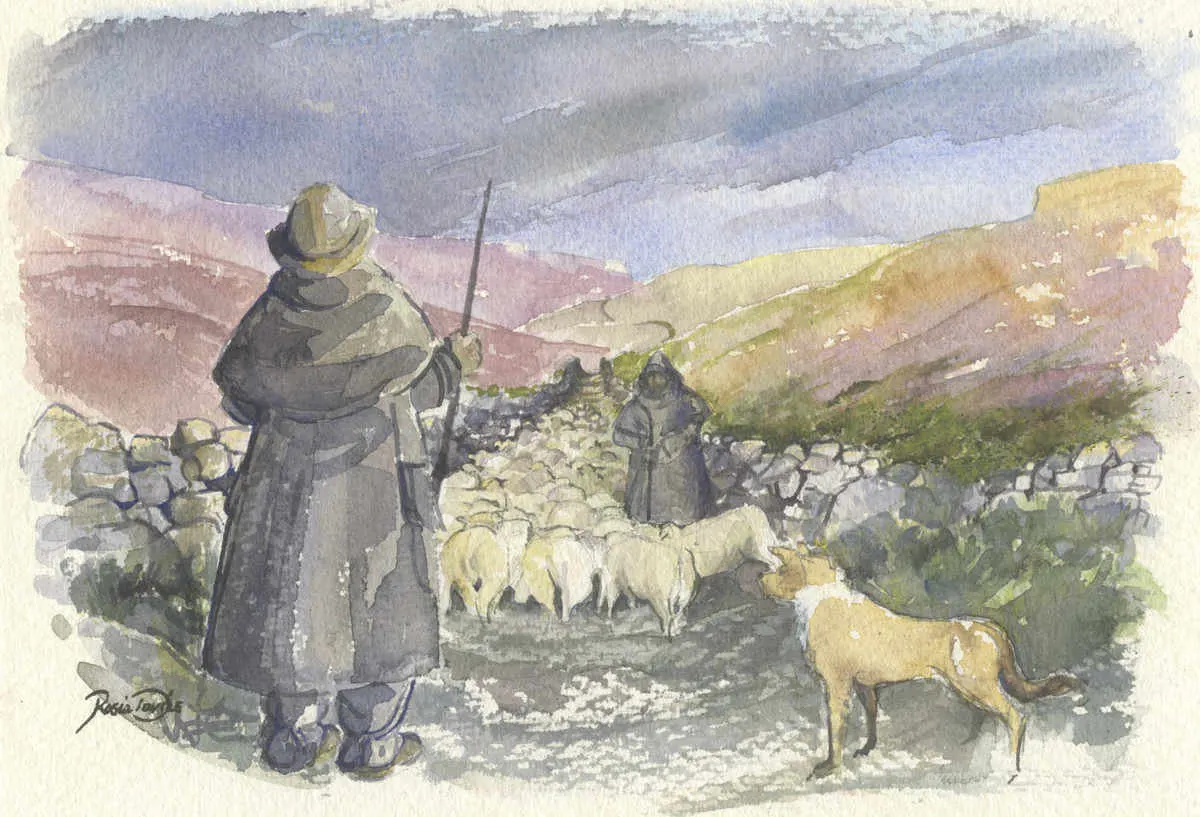
The village grew at the intersection of four drovers’ roads. The old road from Llandrillo went through the village and over the hills to Oswestry and was an important route for drovers to take their cattle from the counties of Caernarfon and Meirionnydd to be sold in markets in England. The two hotels, which used to be farms, served this trade. The Hand’s name come from the Myddletons of Chirk Castle. The West Arms used to be called the Eagle after the Williams Wynn coat of arms, however when the inn was bought by Cornwallis West it became the West Arms.
In the square is probably the most photographed Welsh signpost. Also in the square were two places where a gadlas or haystack were made in payment of church tithes, one abuts the former Tithe Barn.
St Garmon's Church 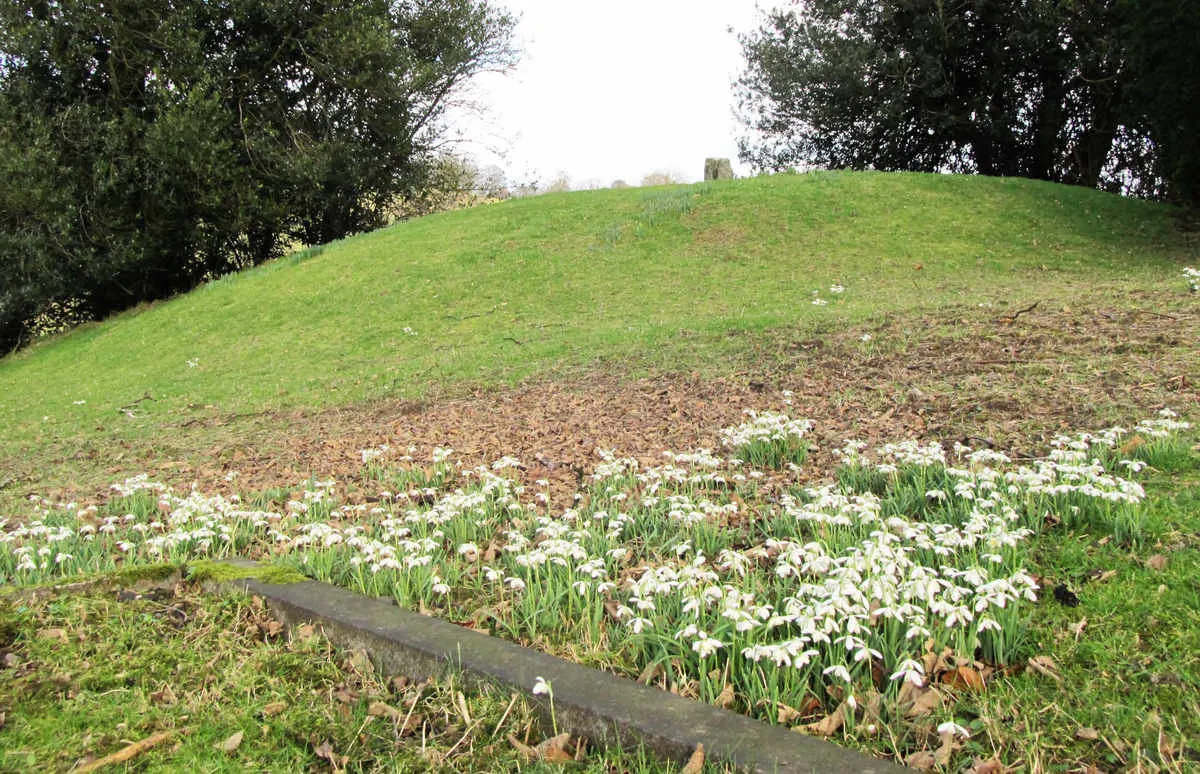
Tomen Garmon 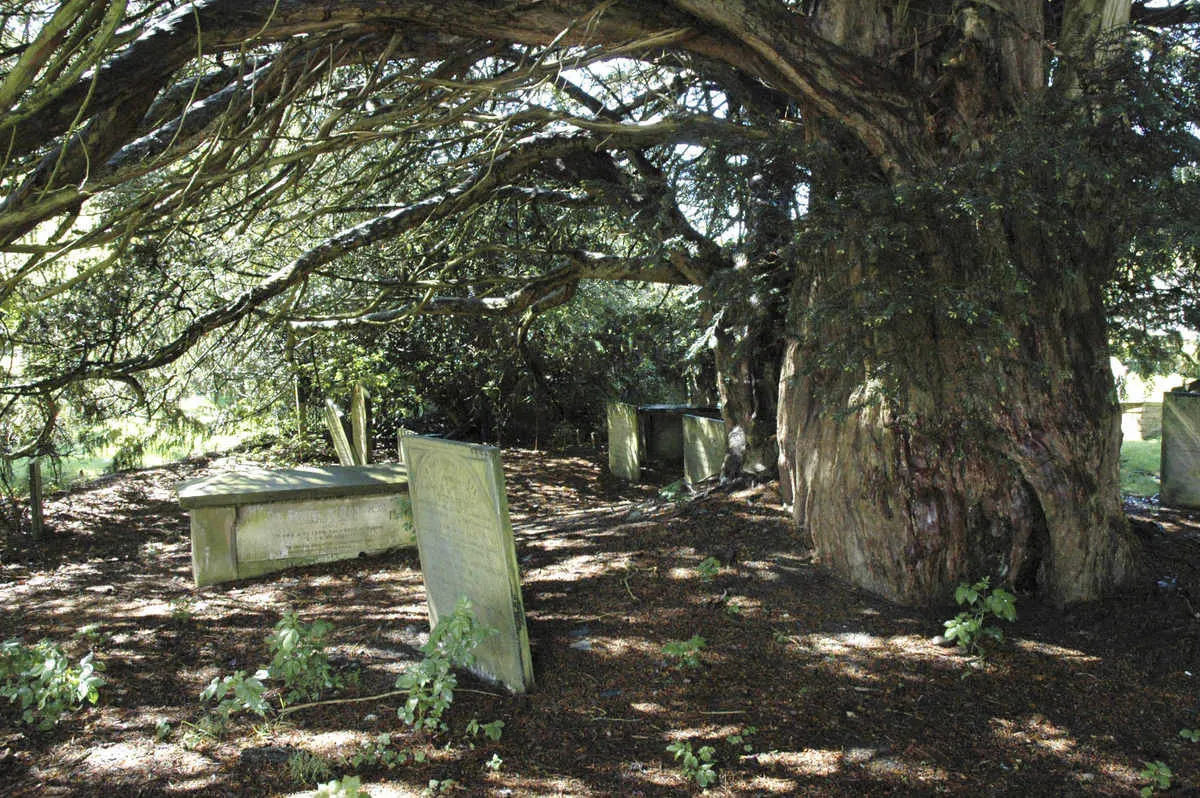
Ancient Yew
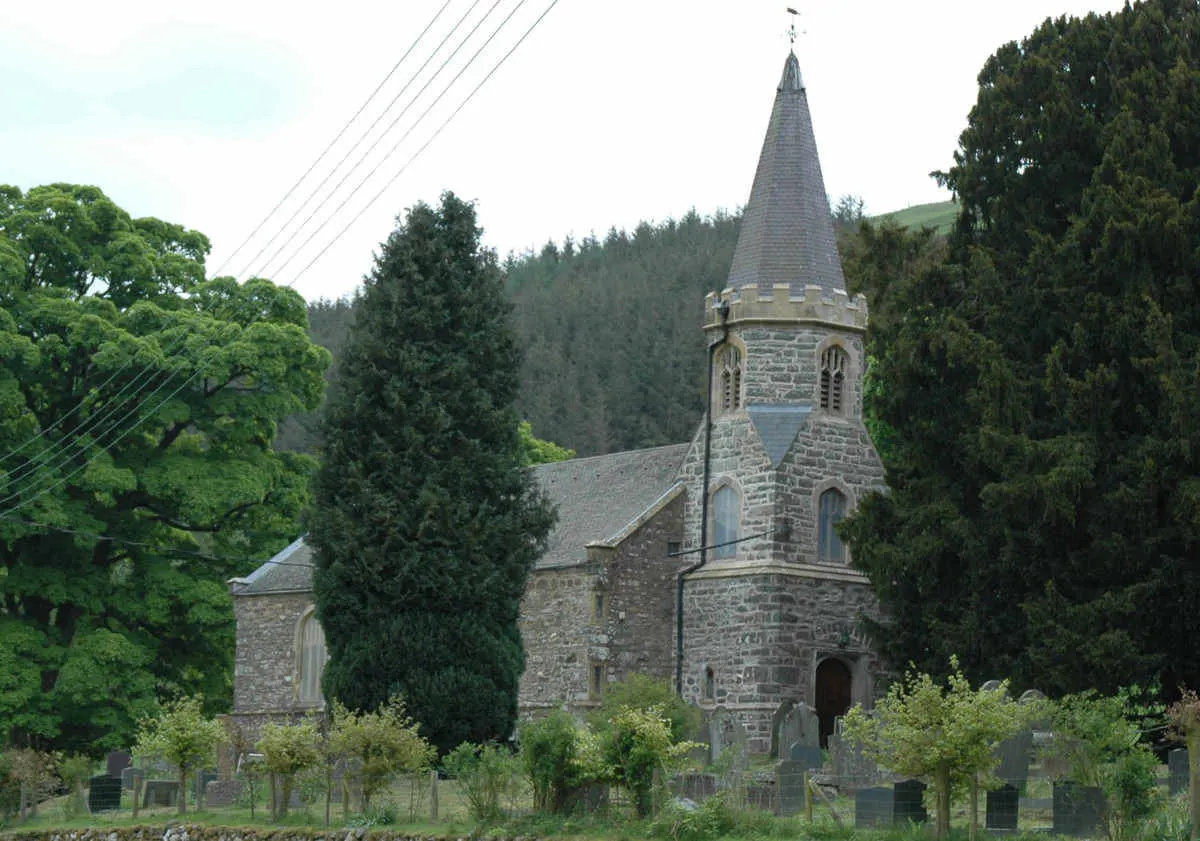
St Garmon’s Church
It is believed that St. Garmon was Germanus the Bishop of Auxerre, (c378 - 448 AD) who came to Britain in 429 AD to revitalise the Christian church. Stories have come down to us in which Germanus vanquishes 5th century pagan and lapsed Christian rulers with a mix of military tactics and miracles. It is not known when the first church was built on this site as it was rebuilt in 1846. When the medieval building was demolished a hoard of 15th-century coins (now in the British Museum) were discovered. The mound in the churchyard known locally as Tomen Garmon and where traditionally Saint Germanus stood to preach is intriguing. It has never to our knowledge been investigated, could it be older than the foundation of the church? The churchyard also contains ancient yew trees, at least one of which is over 1000 years old.
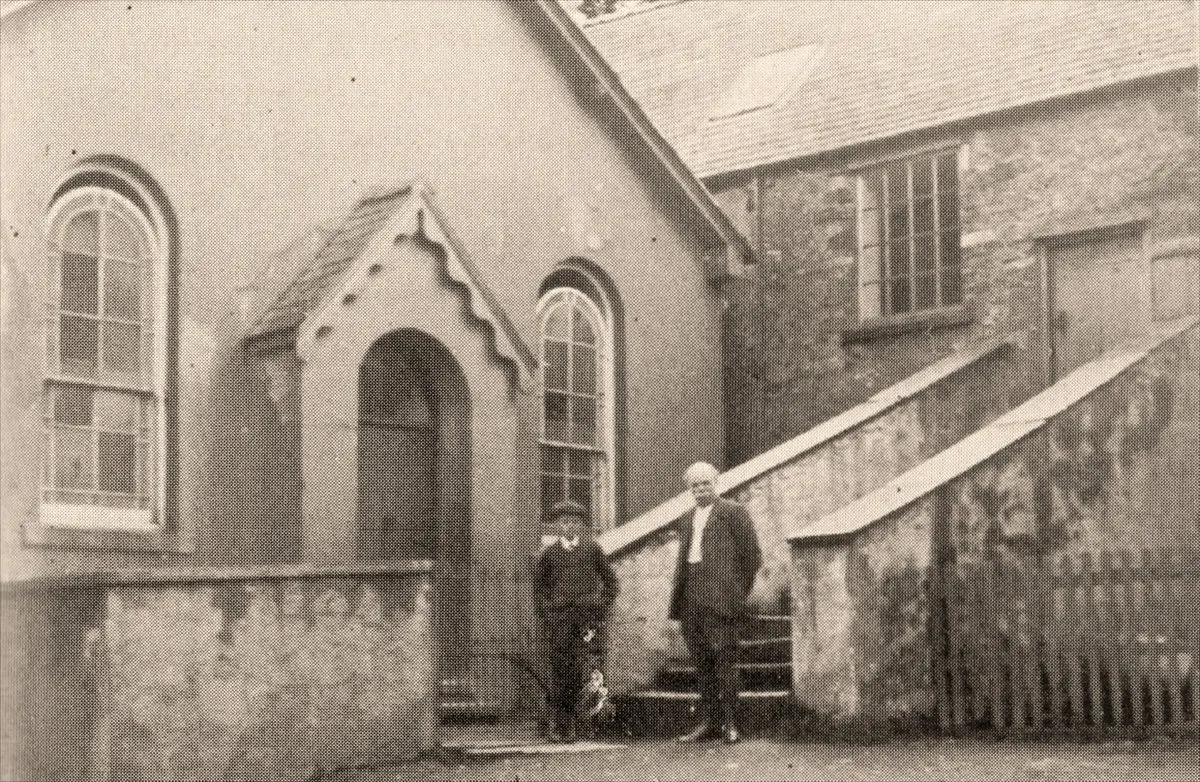
Salem Chapel 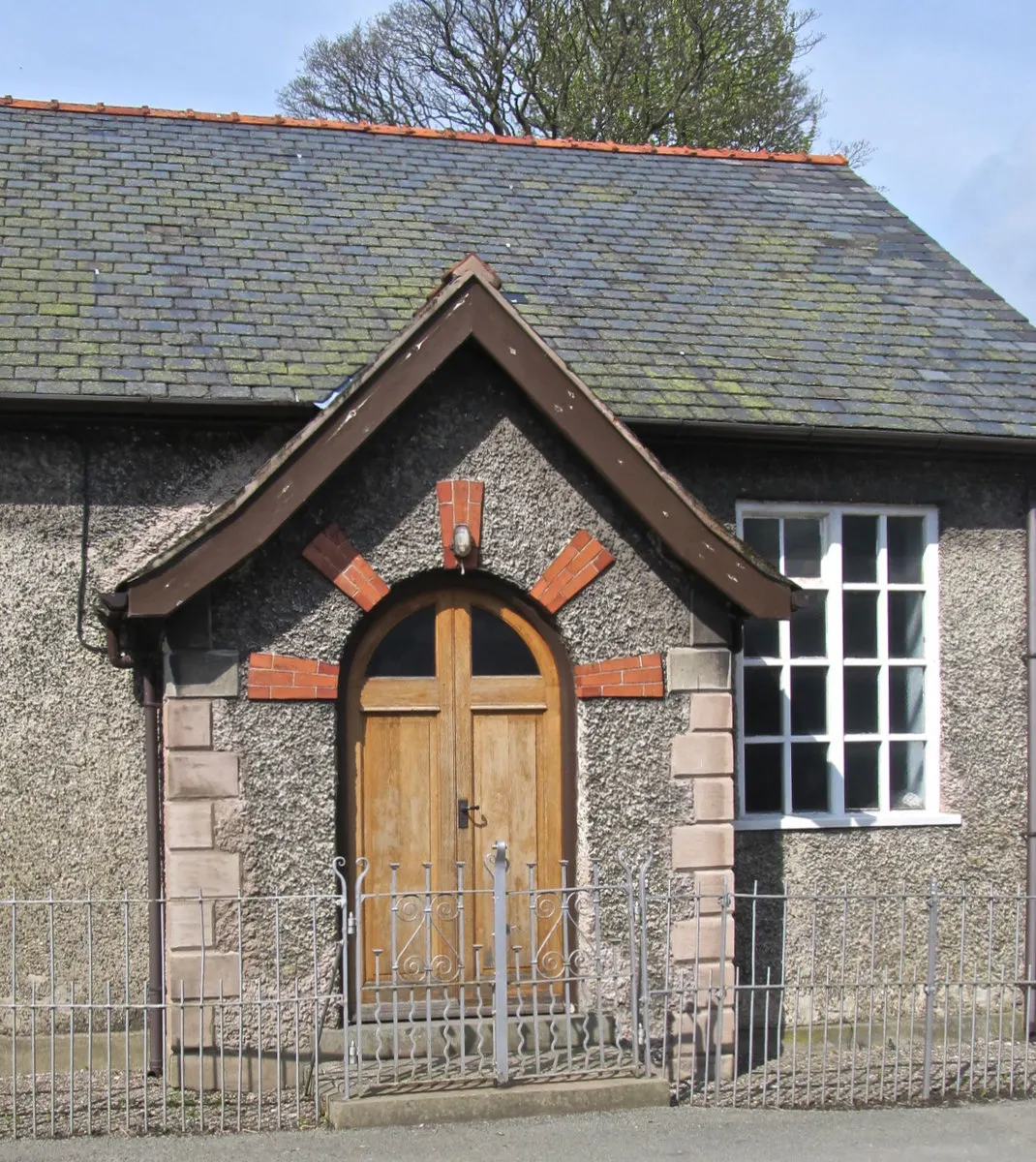
The Tabernacle
Chapels in the village
Non-Conformist religion was strong in the village with 2 chapels. Salem CM Chapel opened in 1838 (or 1844) but closed in 1972. Tabernacl Wesleyan Chapel opened in 1837, was rebuilt in 1911 and continues as an interdenominational church.
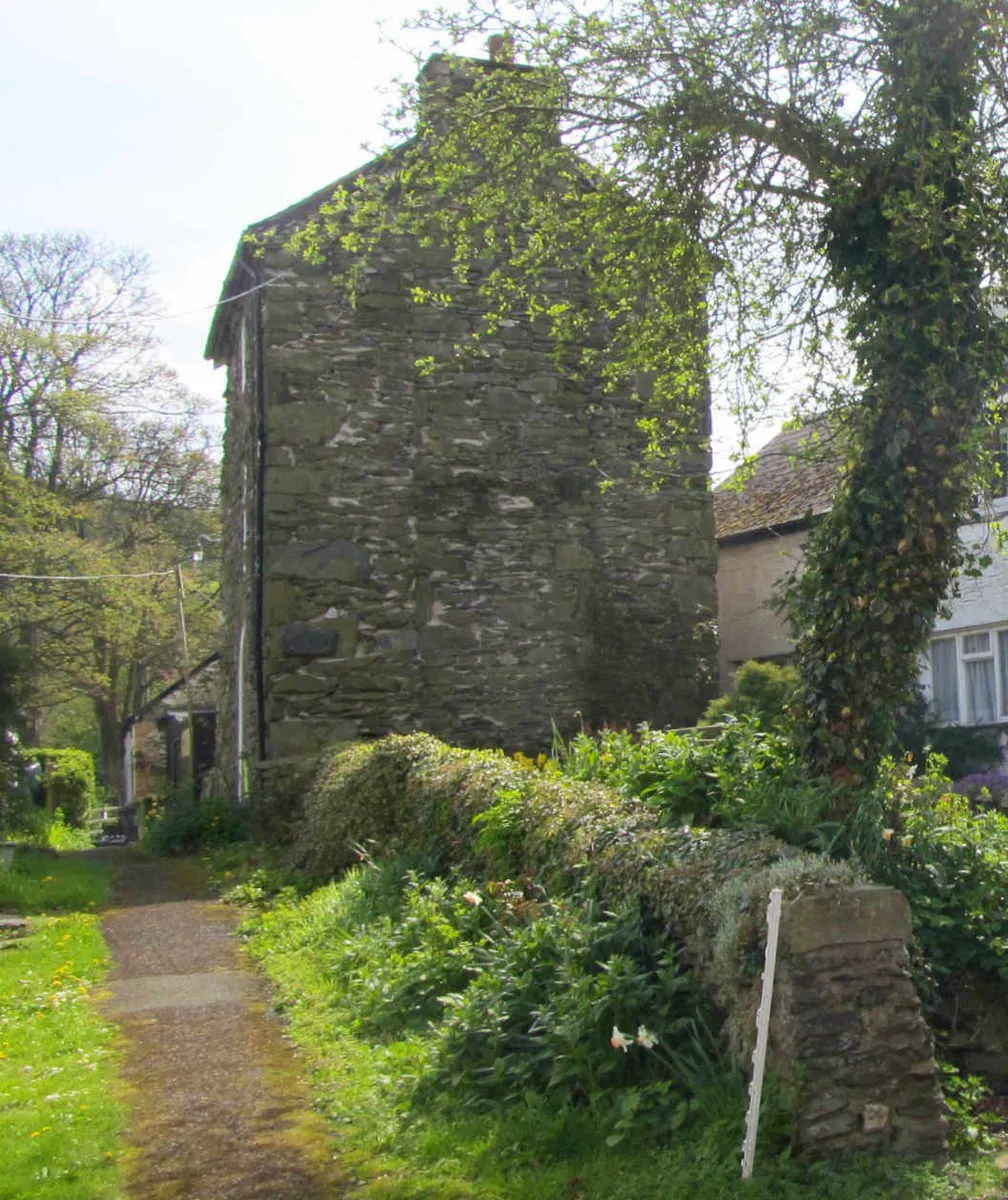
Flax mill
Opposite the Wesleyan chapel is the old flax mill, possibly the only remaining flax mill in Wales. It later became a Welsh Craft shop. The link between church, chapel and mill was Teddy William, 1911 - 2011, who was born in the village, played the organ in church and chapel, ran the craft shop with his wife and at earlier times cooked in both hotels. There is a bench in his memory in front of the church.
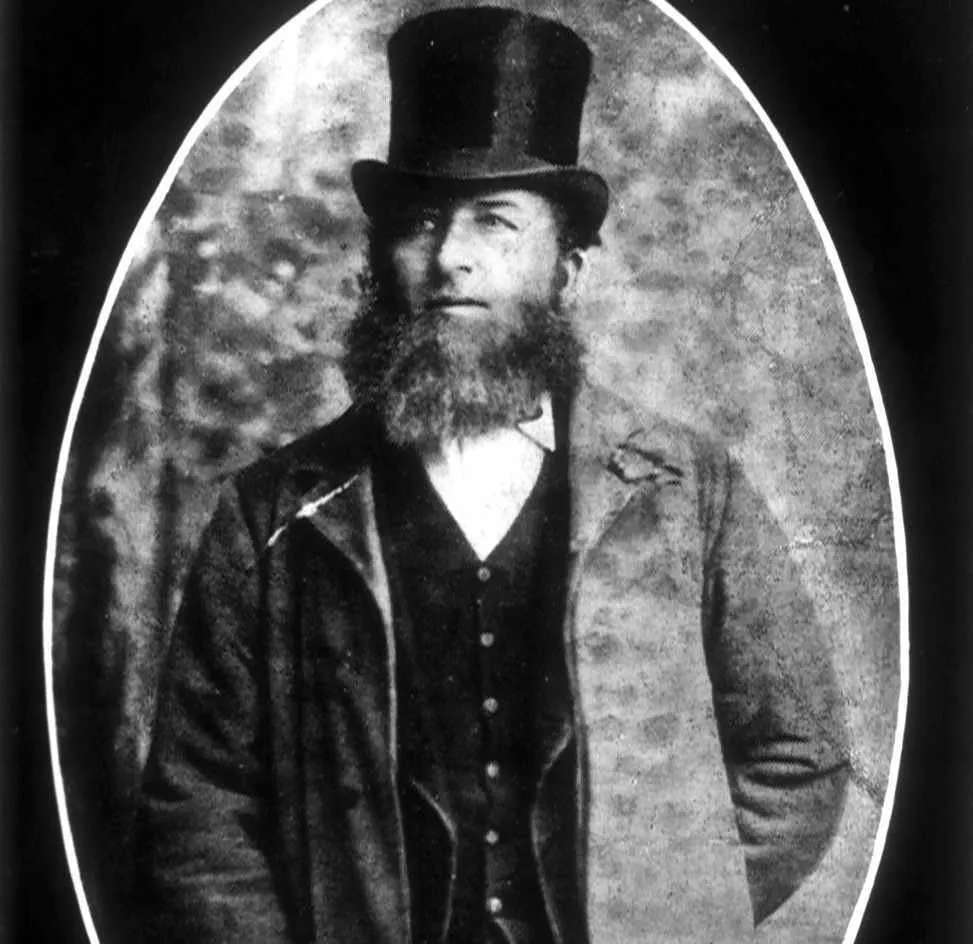
Poet John 'Ceiriog' Hughes... 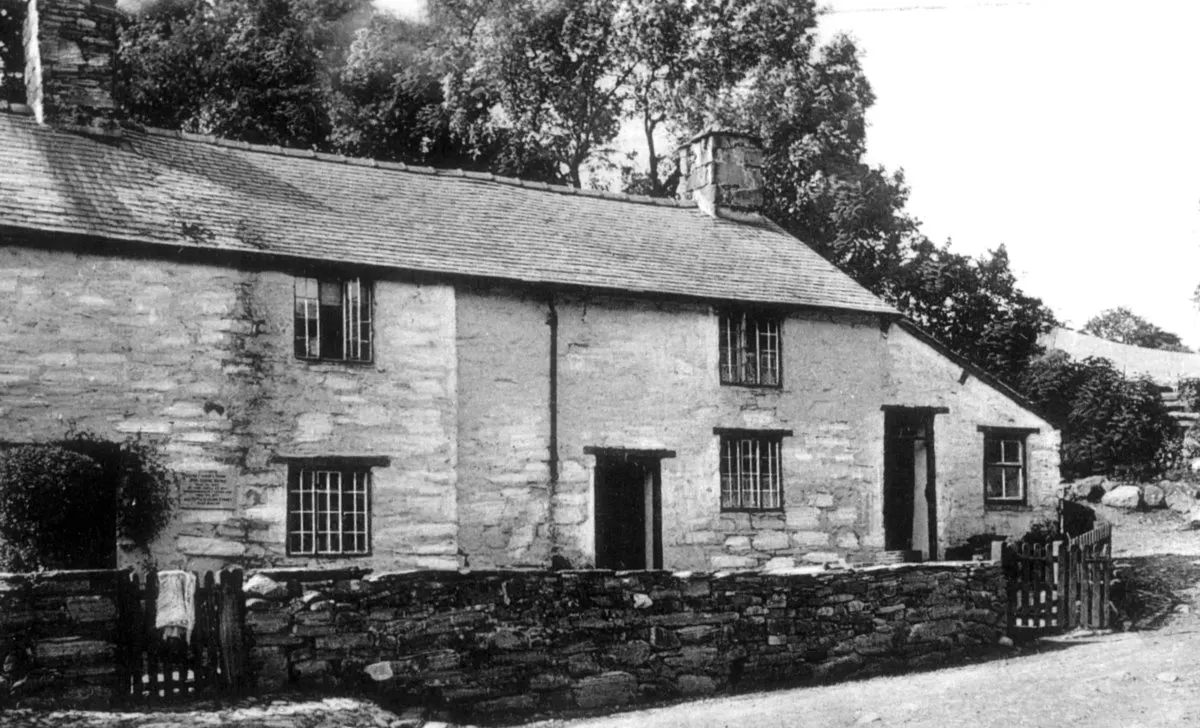
... and his home: Penybryn.
John 'Ceiriog' Hughes, Poet
Looking down on the village is Penybryn where one of Wales’ greatest poets John Ceiriog Hughes was born in 1832. Through his desire to restore simplicity of diction and emotional sincerity, he did for Welsh poetry what Wordsworth and Coleridge did for English poetry. His work is noted for its attempt to create a new Welsh culture and to raise the status of the Welsh people. Best known outside of Wales for the words to ‘God Bless the Prince of Wales’.
Listen to Ceiriog’s poem: Alun Mabon.
Ceiriog was an ardent collector of old tunes and wrote words for these melodies and so converted them into songs.
Listen to a local choir singing his poem: Nant y Mynydd.
Threat to the Valley
Tap to see maps. Slide red bar to compare.
In 1923 proposals were submitted by Warrington Corporation to construct 2 reservoirs one above and one below the village. Warrington was the centre for the brewing industry and one of the anti-flooding of the valley slogans was ‘the English are taking the W out of Wales and turning it into ales’.
A church, 5 chapels, 2 burial grounds, 2 schools, 2 post offices, 2 inns, five shops, 1 blacksmith and 85 houses of which 45 were farmhouses would have been lost under the water.
The plan was thwarted by the British Prime Minister, David Lloyd George and other Welsh MPs who stopped its approval in parliament. After a visit Lloyd George stated that the valley was ‘A little bit of Heaven on Earth, which must be preserved at all costs’.
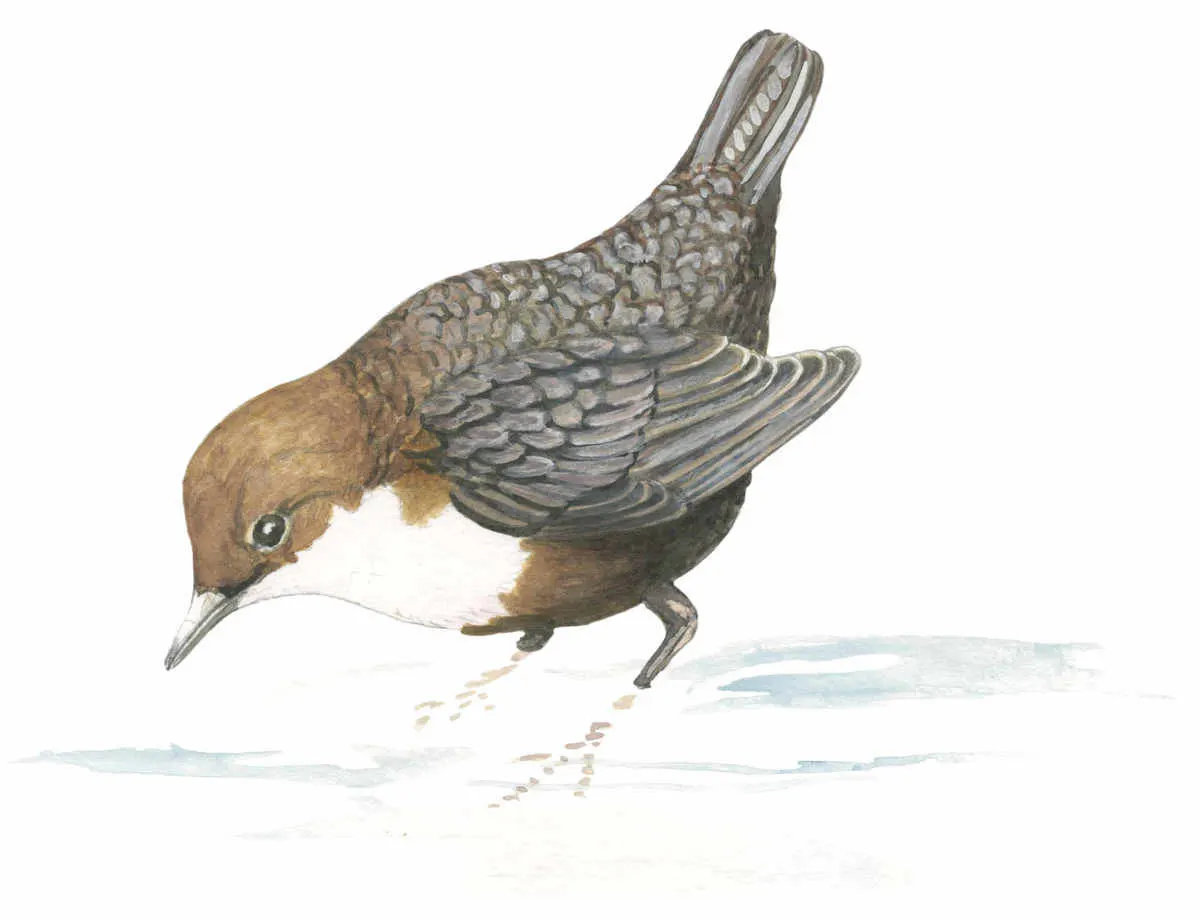
Dipper 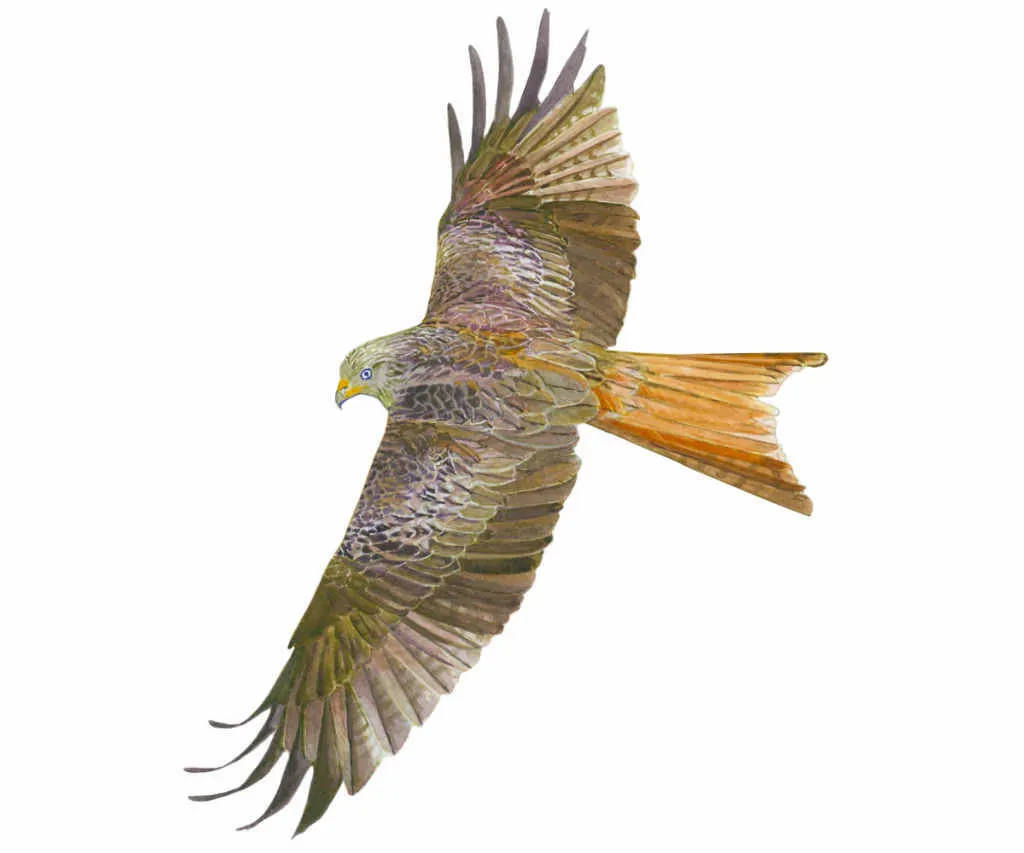
Red Kite
Nature Note
Look out for red kites and buzzards which are frequently to be seen in the sky around Llanarmon and Tregeiriog. Animal predators may also be seen, weasel, stoat and occasionally polecat. When close to the river look closely among the rocks and you may see a dipper. And you will see lots of pheasants, often in the fields among the sheep and cattle!