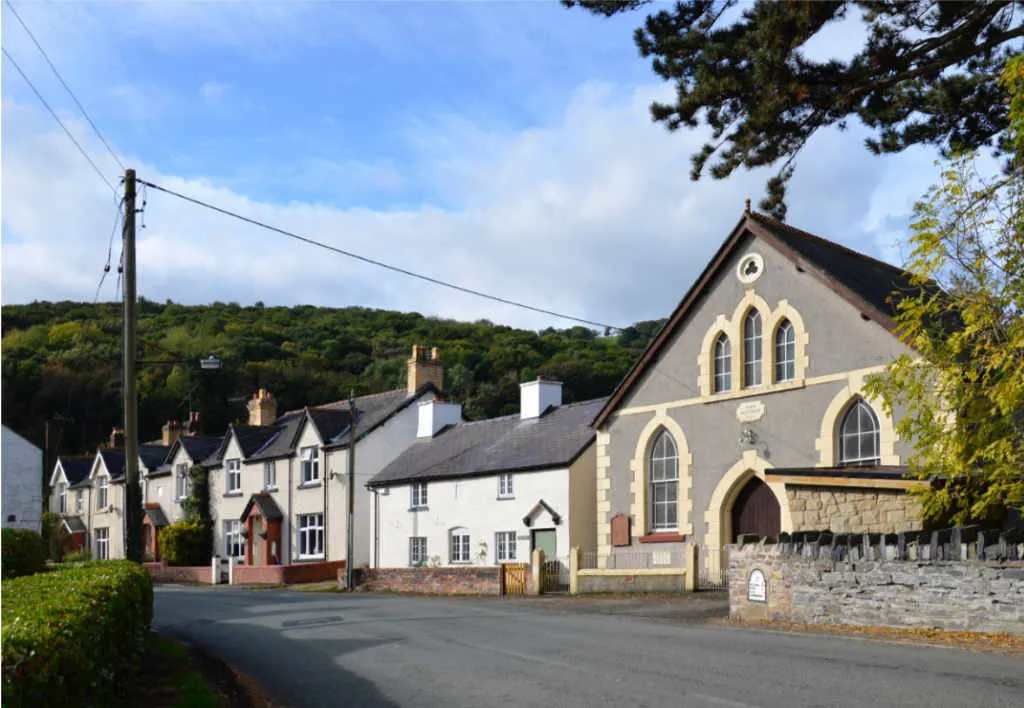
Dolywern and Llwynmawr
Parking: On road parking
Facilities: The Mulberry - pub and restaurant.
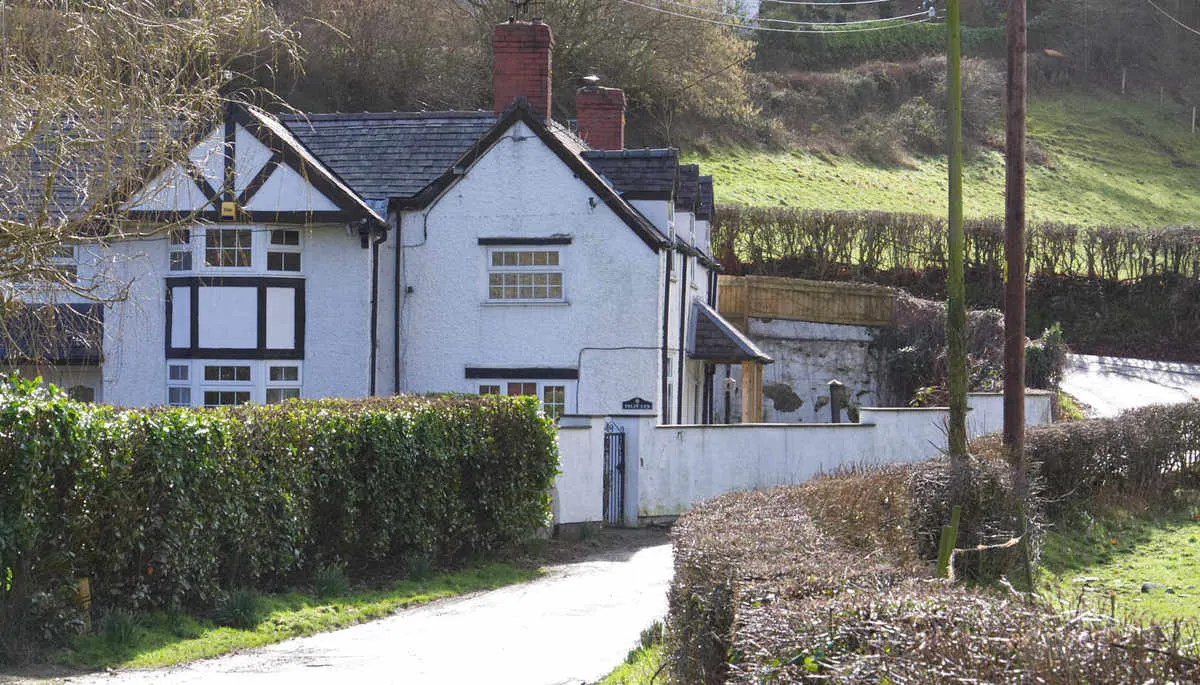
Felin Lyn 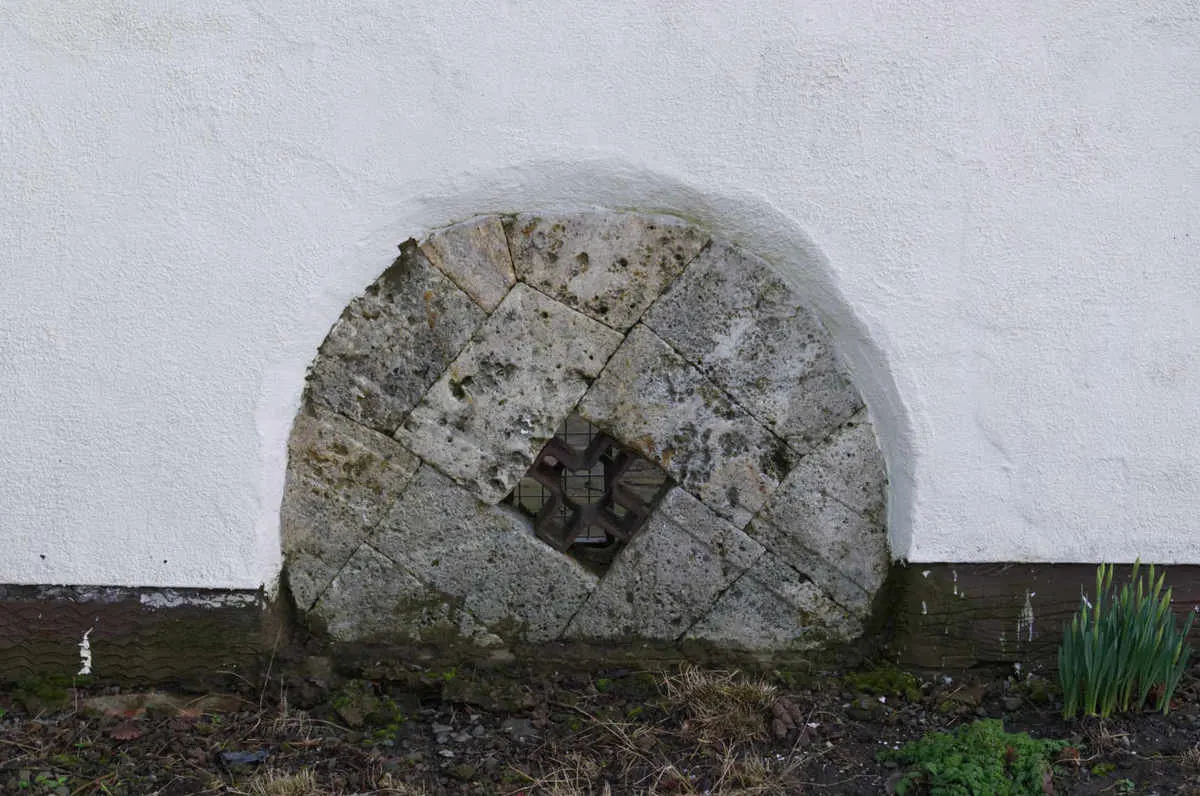
Millstone 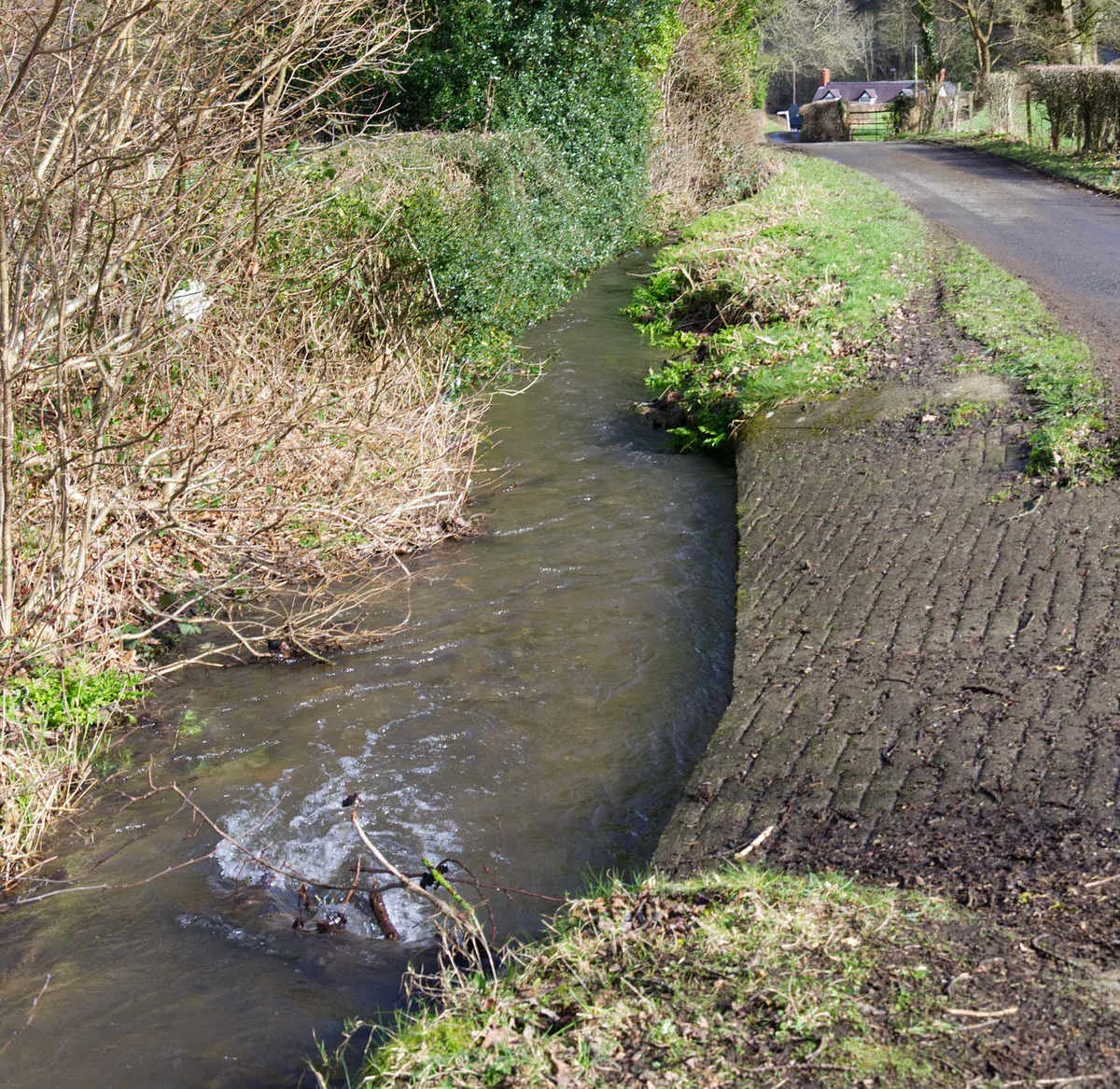
Leat 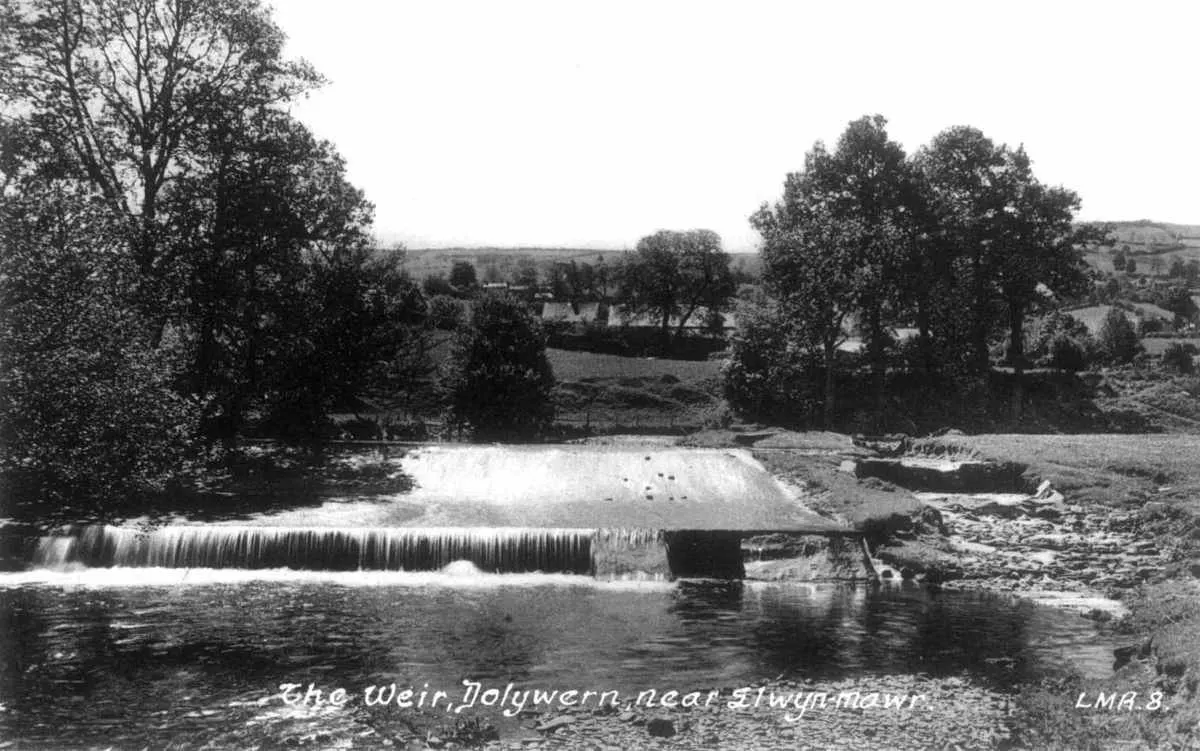
Dolywern Weir
Corn Mill
Felin Lyn, a house on the old road from Pontfadog to Llwynmawr was once a corn mill. Milling started in 1775 continuing to 1936 under the care of just two families, the Hughes and the Evans. The mill was owned by Chirk Castle. Its water supply came from the River Ceiriog at the weir in Dolywern via a 960 metre mill race.
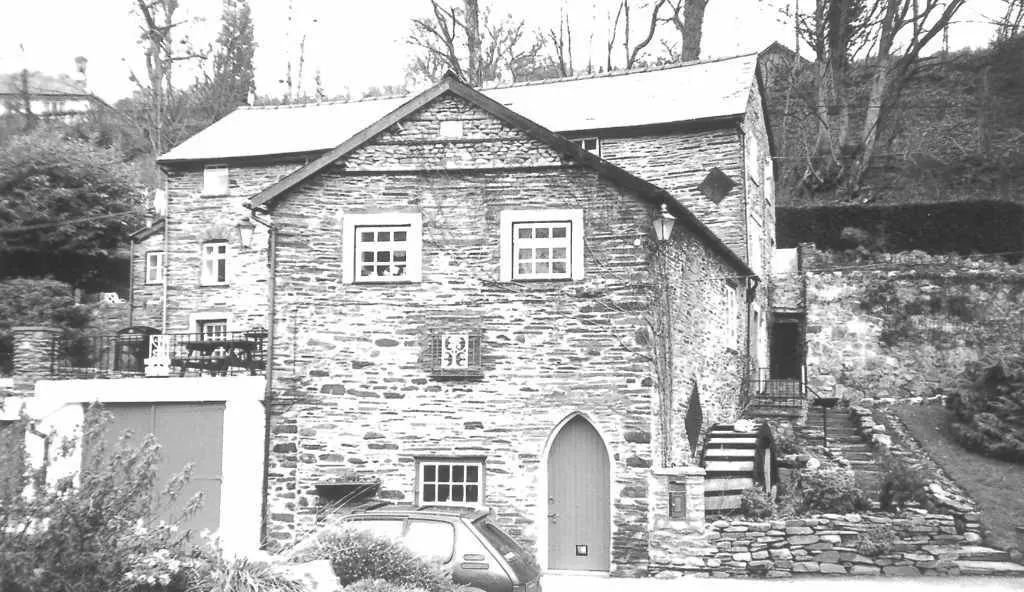
Glan y Wern Mill, Dolywern
Formerly known as Felin Ucha this was a cornmill owned by Chirk Castle which in the mid-1800s was converted to a malthouse for brewing beer. The building is now private residences.
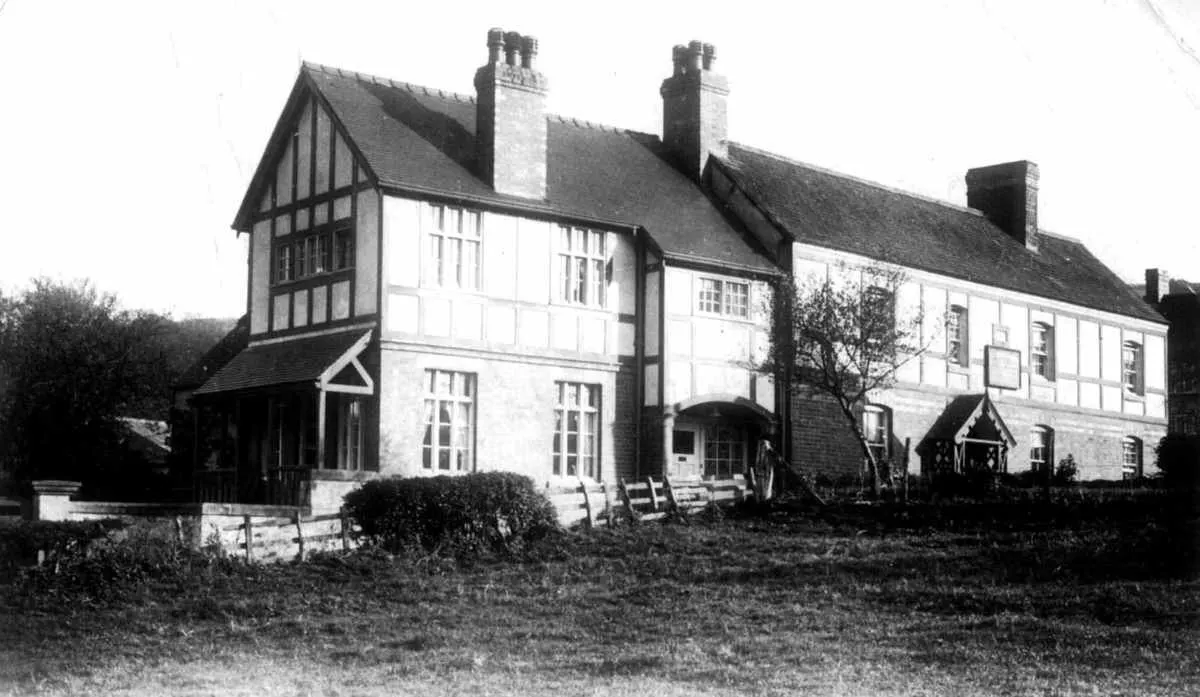
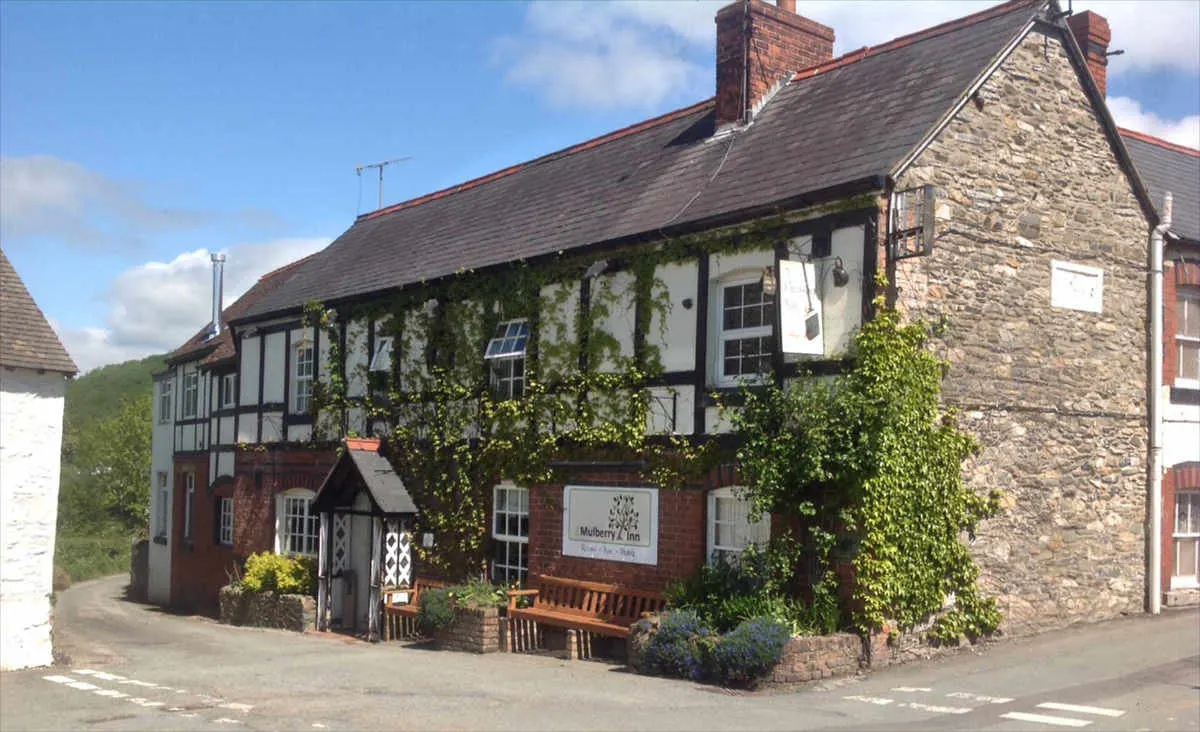
Mulberry Inn
This hotel which opened in 1755 has always been associated with shooting and fishing. It has up to recently been called the Golden Pheasant but was originally called the Sportsman’s Arms. Owned for many years by the Hughes family who brewed their own beer for this and their other local pubs.
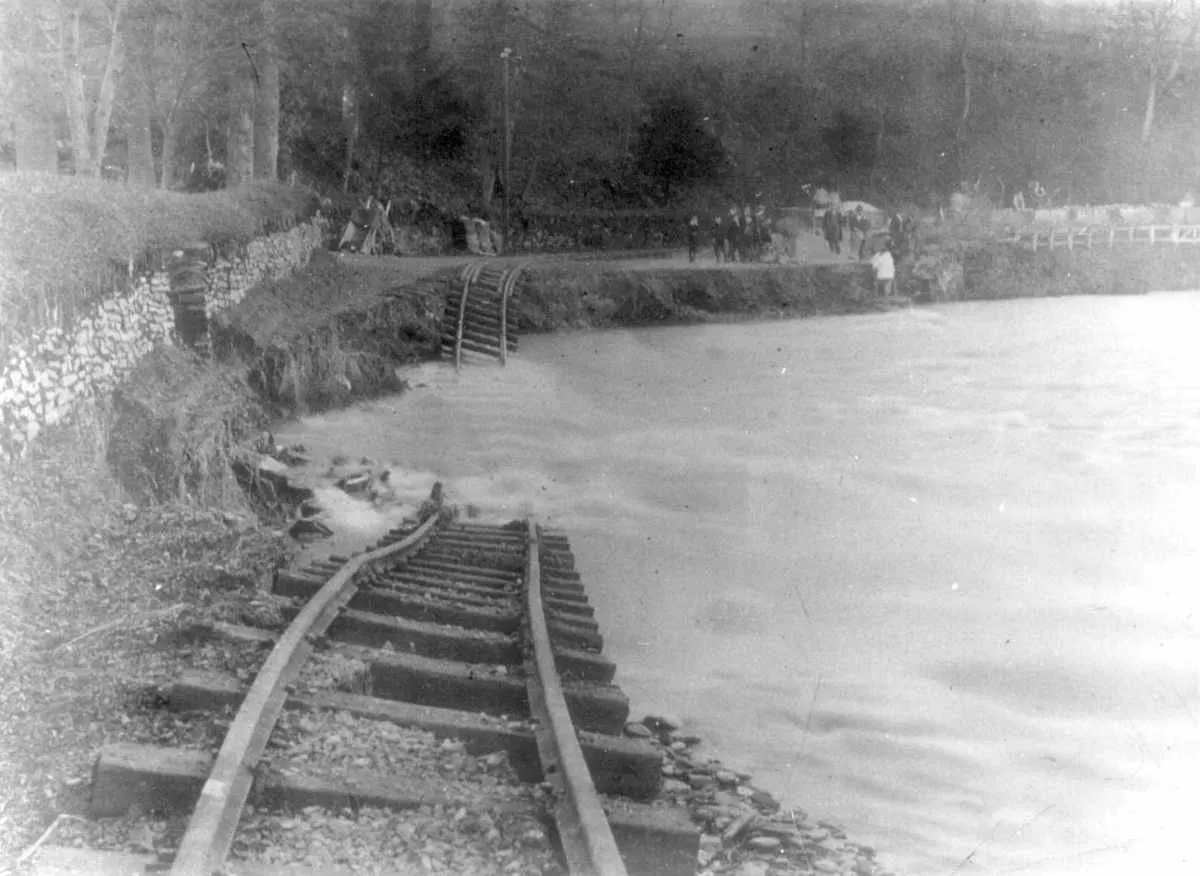
1902 flood 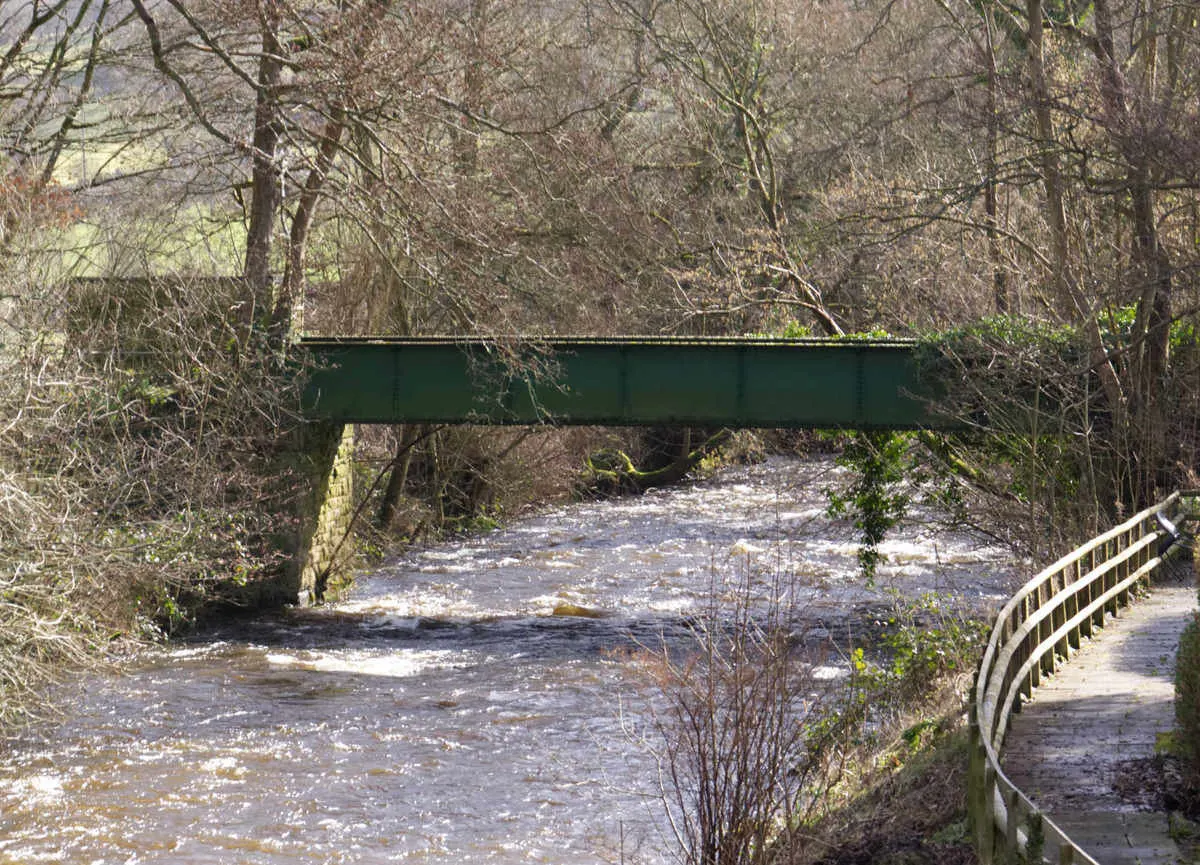
Dolywern Tramway Bridge 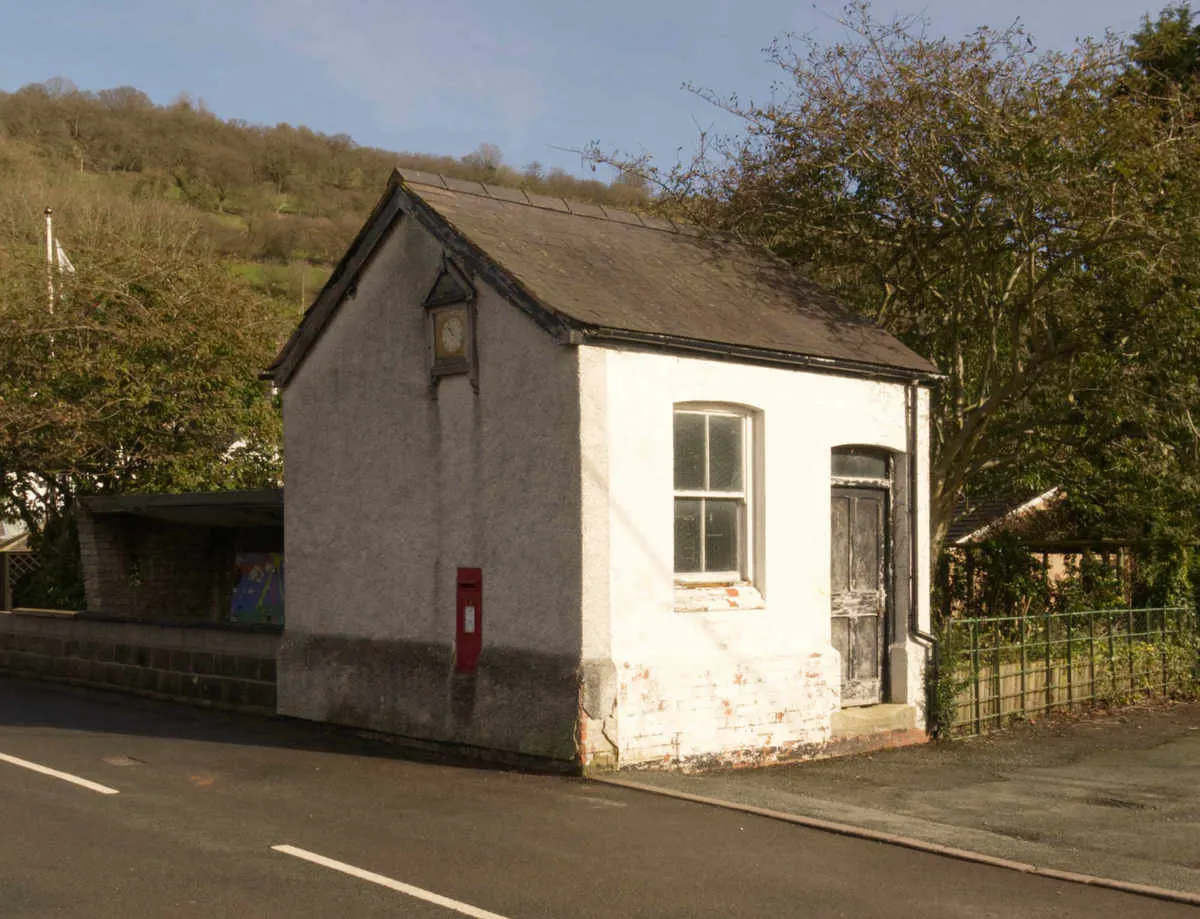
Dolywern Waiting Room 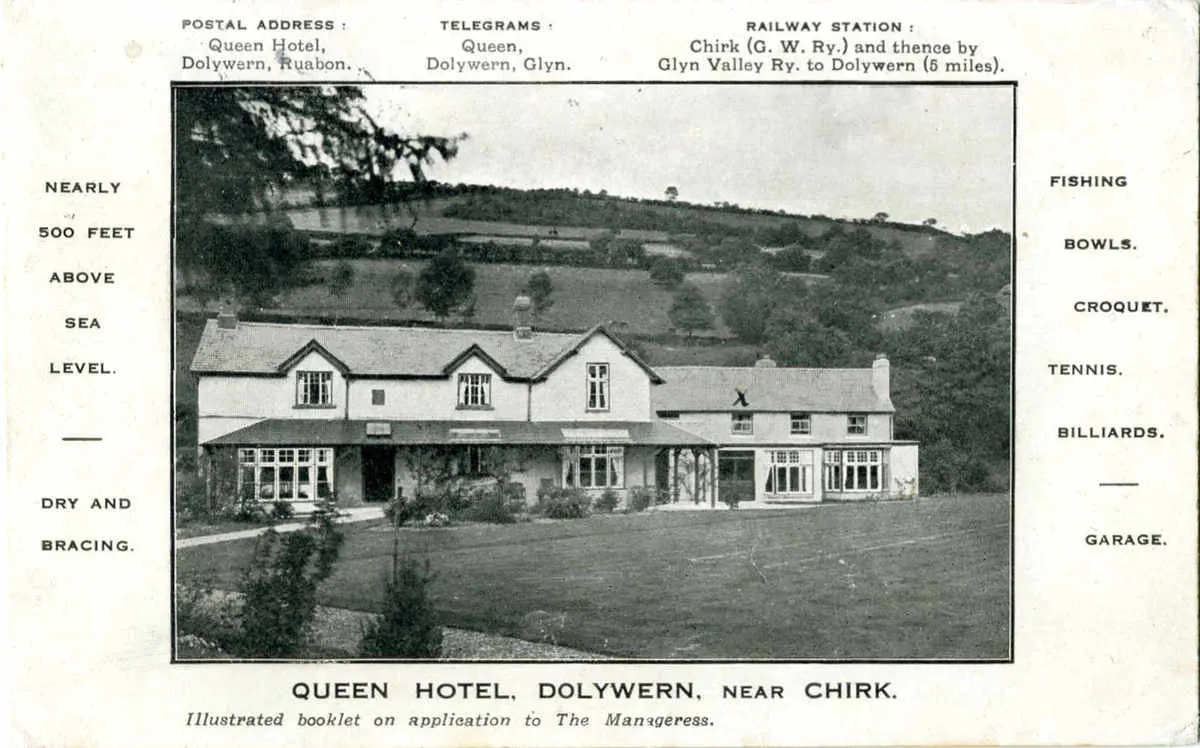
Glyn Valley Tramway
On 12 January 1902 flood water from the river Ceiriog washed away the road and tramway between Glyn Ceiriog and Dolywern. It was quickly repaired and operational by 22 January. The horse-drawn tramway ran along the road and over the present road bridge in Dolywern. However when steam was introduced because of the tightness of the bend a new rail bridge was built on the other side of the Queen Hotel (now a Leonard Cheshire Home) with a station and waiting room built in 1892 (a grade 2 listed building). The Queen Hotel was a temperance hotel run by the Dolywern Temperance Hotel Co Ltd. It had direct access to the station.
Nature Note
Coed Collfryn
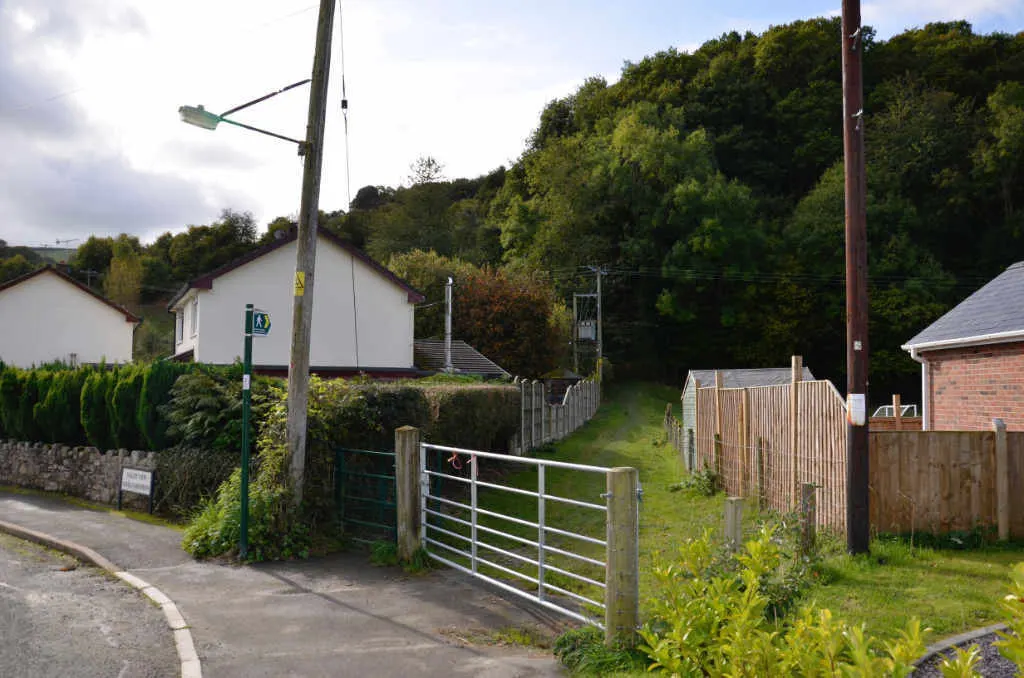
This ancient woodland is dominated by oak with ash, sycamore, silver birch, larch and cherry complementing a carpet of bluebells, honeysuckle, wood anemone and bramble. Good public access and paths make this an enjoyable wood to visit.
“In former days, especially during the 16th Century, it is said that gibbets were erected on Collfryn. Inhabitants of the valley who were found guilty of crimes were hanged on the hill, and their bodies left to dangle as a warning to the community.” It is suggested by folklorist Robin Gwyndaf that this explains the Welsh name Collfryn: ‘the hill of the condemned’.