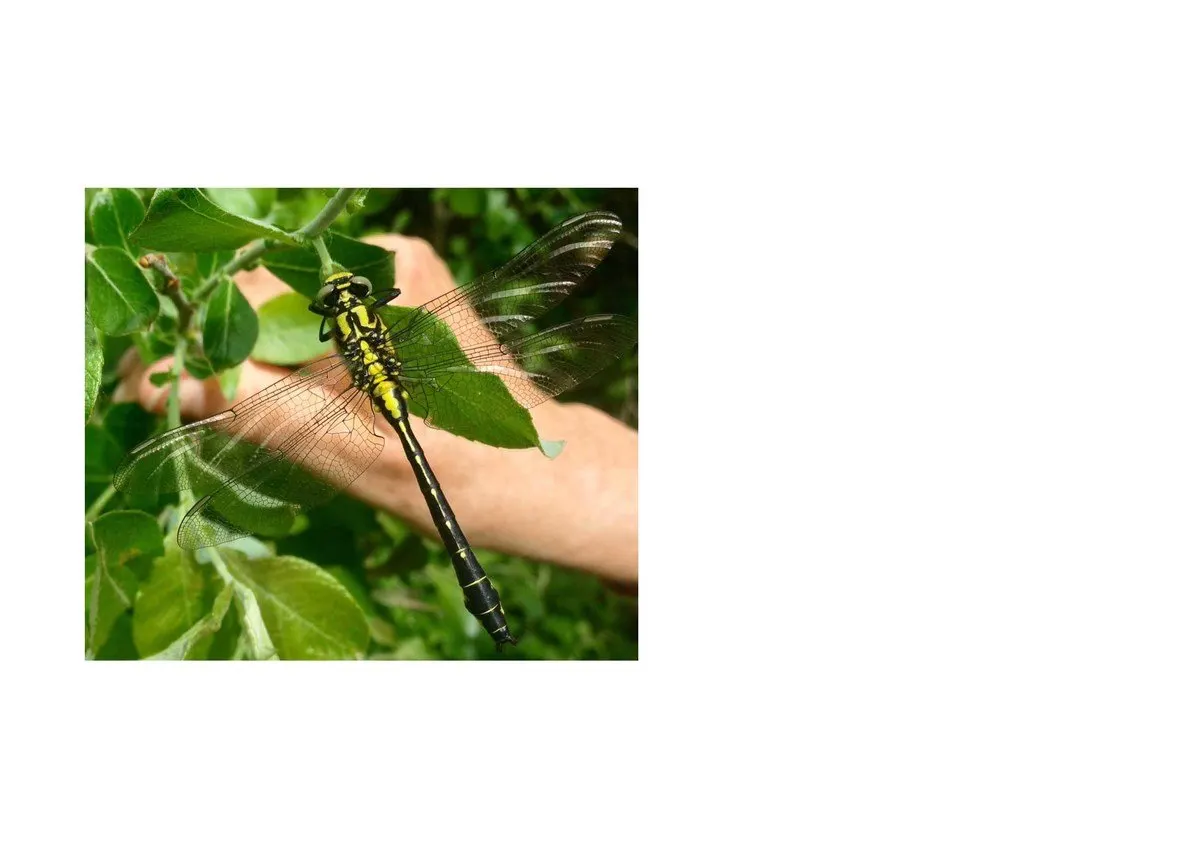
male Common Clubtail dragonfly 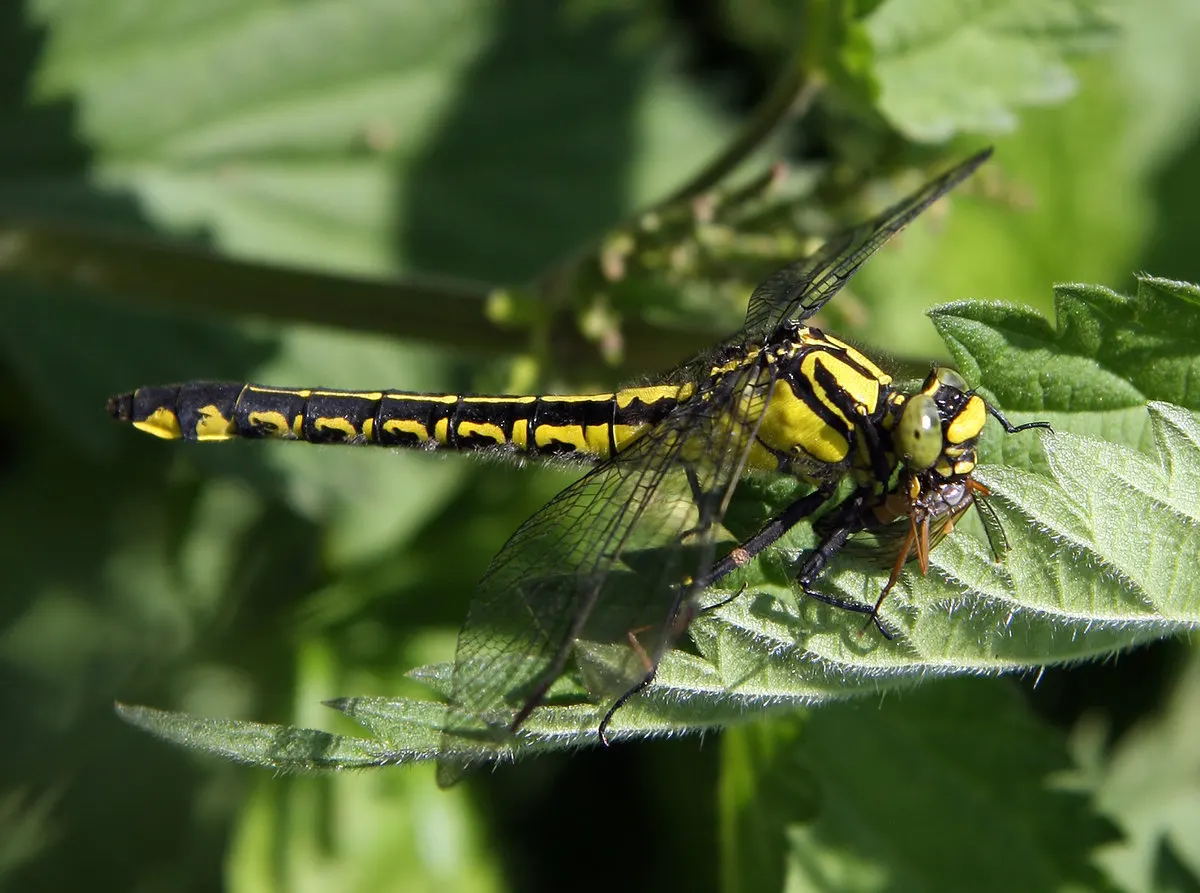
female Common Clubtail dragonfly 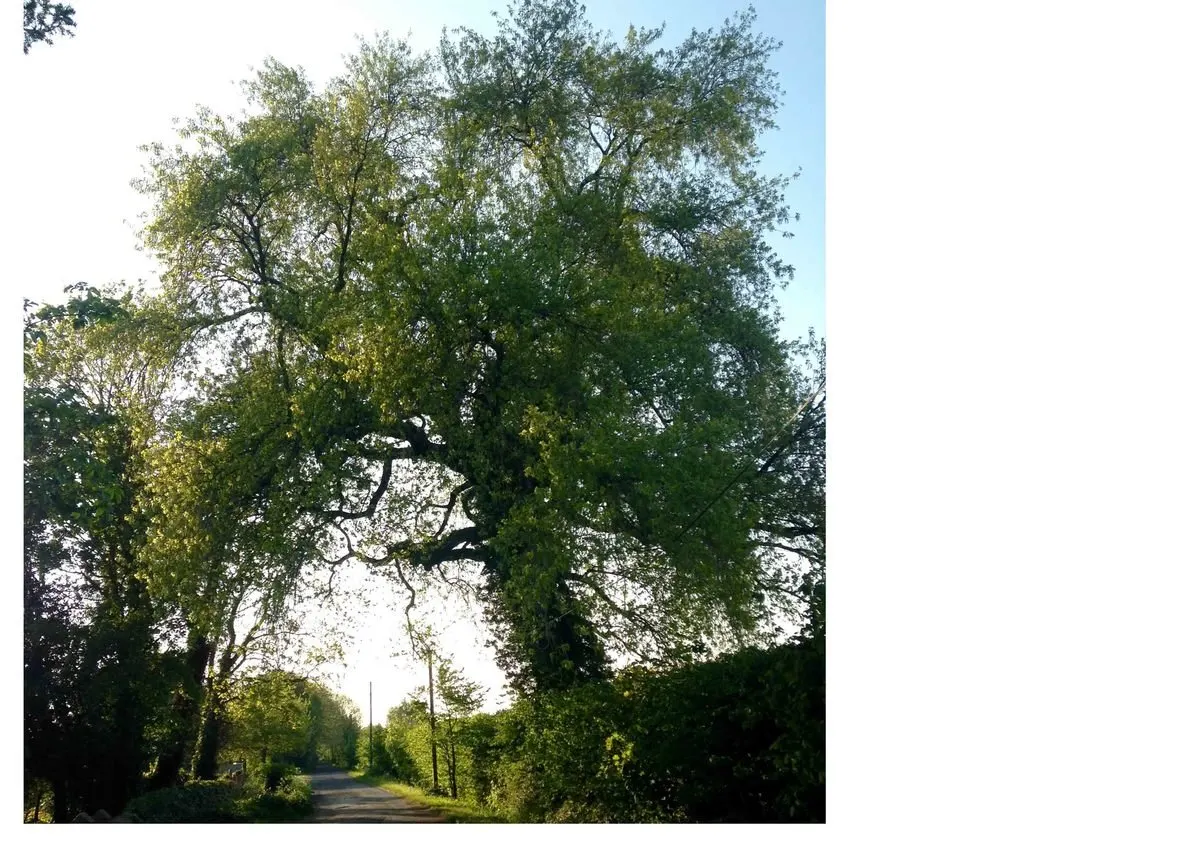
mature female black poplar tree 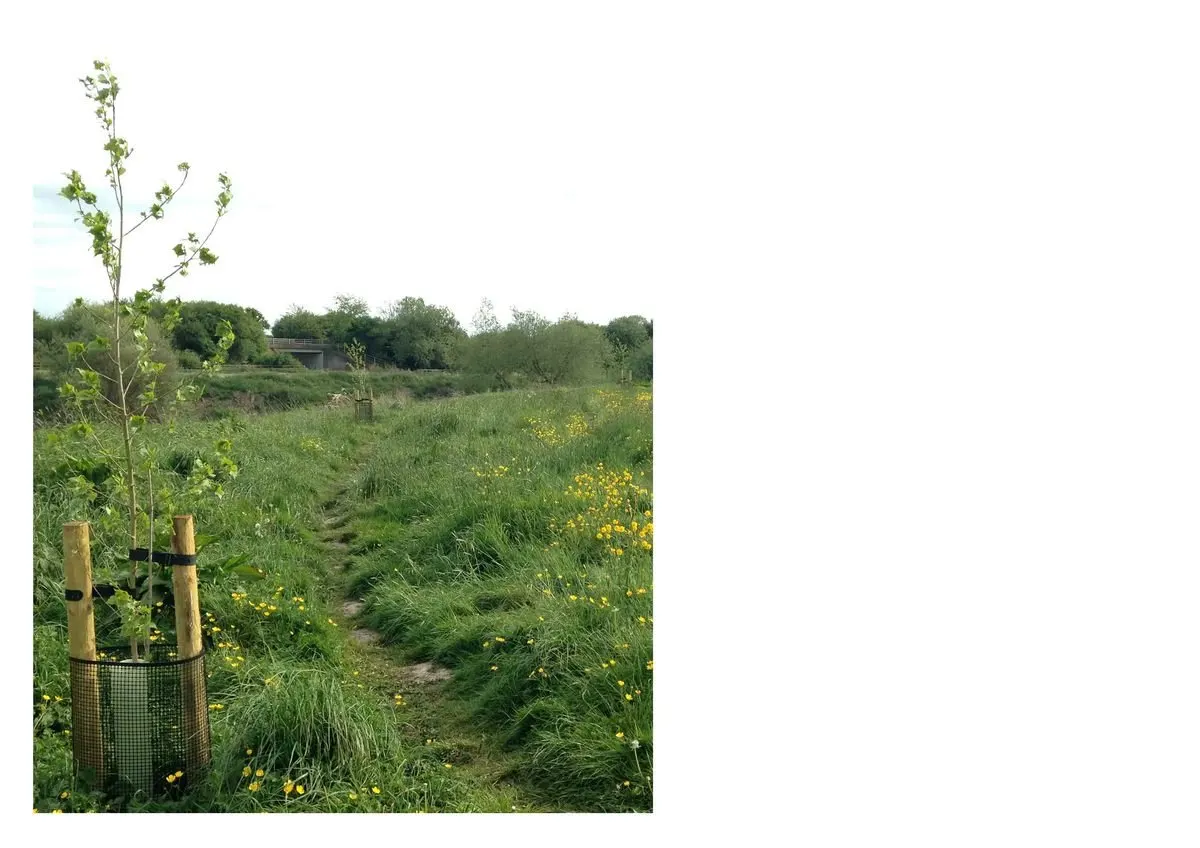
black poplar trees planted at Little Park (Holt Castle) 2017 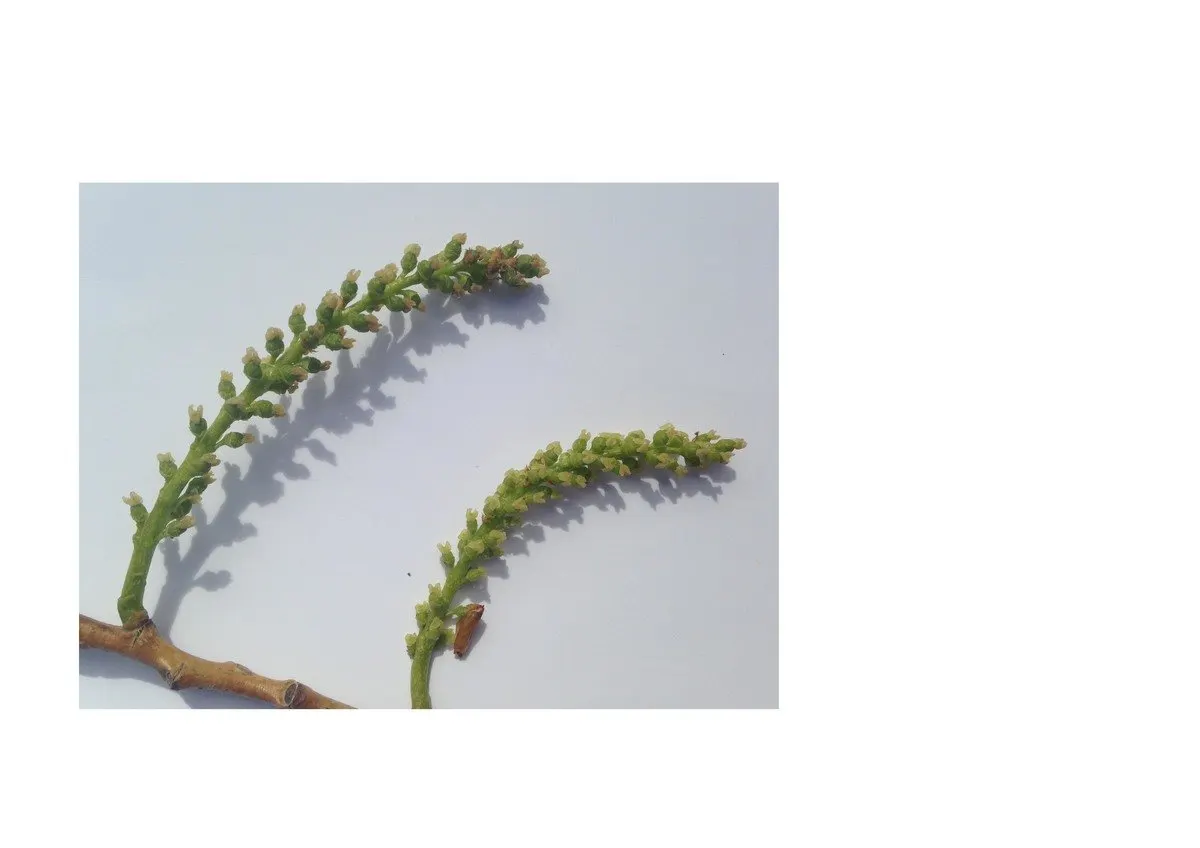
green catkins of mature female black poplar tree
Jonny Hulson from North Wales Wildlife Trust gives us an insight into the Common Clubtail dragonfly and why this stretch of the River Dee is so important for the species.
The Common Clubtail dragonfly (Gomphus vulgatissimus) is restricted to only a few slow-flowing rivers in England and Wales, and despite its name it’s actually not common at all! The Clubtail is listed as Near Threatened on the UK Red List of Dragonflies and is affected by pollution, loss of bankside woodland and unsympathetic river dredging. The silty meanders and wooded banks of the River Dee at Holt, support one of the largest populations of Clubtail dragonfly in Britain, and you can help us monitor this amazing insect by submitting your photographs (ideally with a grid reference) to the British Dragonfly Society. www.british-dragonflies.org.uk
Clubtail larvae burrow into the silt, hunting smaller insects on the river bed. After 3 – 5 years, they emerge onto the river bank as adults and then fly into the tree tops, unlikely to be seen again. If you’re walking along the river bank in May or June, you might be lucky enough to see the Clubtail’s synchronised emergence, which is triggered by increasing day length and rising water temperature.
The Clubtail is an easy dragonfly to identify with its unmistakable club-shaped abdomen, bright yellow and black markings, and unlike other British dragonflies the eyes are separated and don’t meet at the top of the head. The male also has a distinctive notch on the inside bottom corner of the hind wings - what sex do you think the Clubtail next to you is?
Black poplar is one of the most endangered broadleaf trees in Britain. Its natural habitat was the floodplain woodland which used to line the banks of the River Dee before the 17th century. Most of this habitat has now been lost to urbanisation, land drainage and the canalisation of rivers, but targeted conservation measures by North Wales Wildlife Trust are helping the species to recover by planting male and female trees along the river bank. In years to come, young black poplar trees will hopefully regenerate, providing new woodland habitats for the Common Clubtail dragonfly.