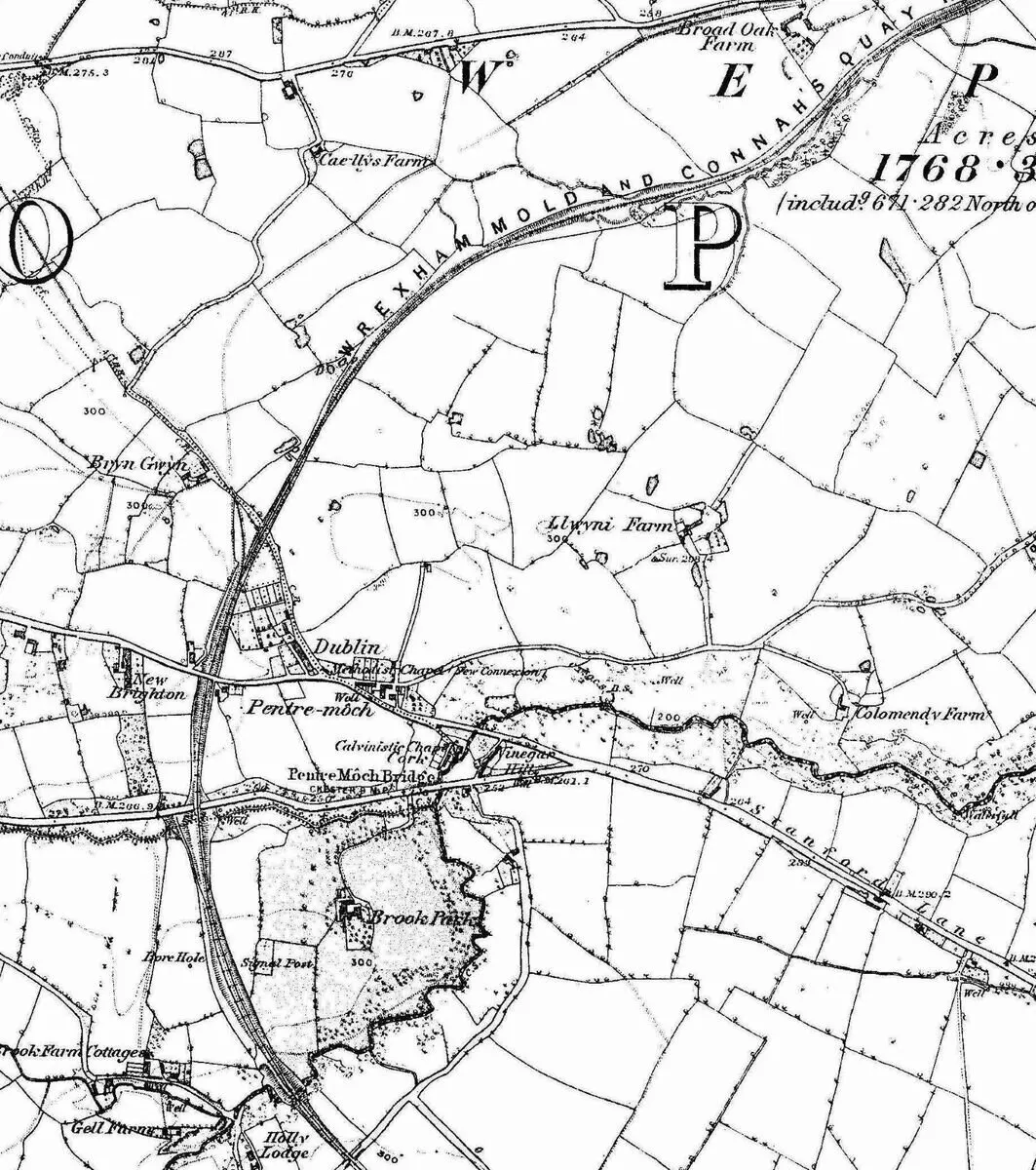
Buckley Railway Line Map 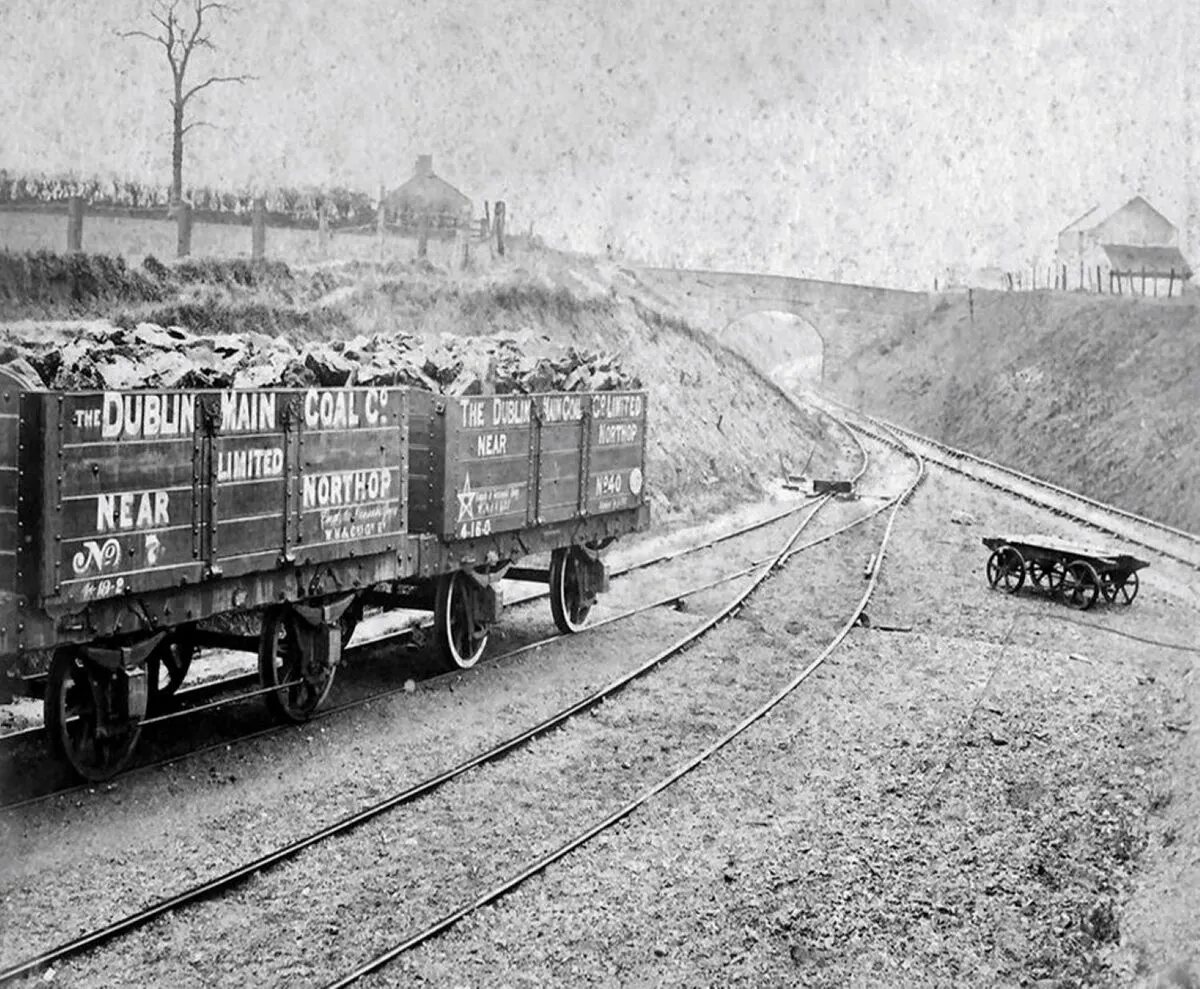
Buckley Line 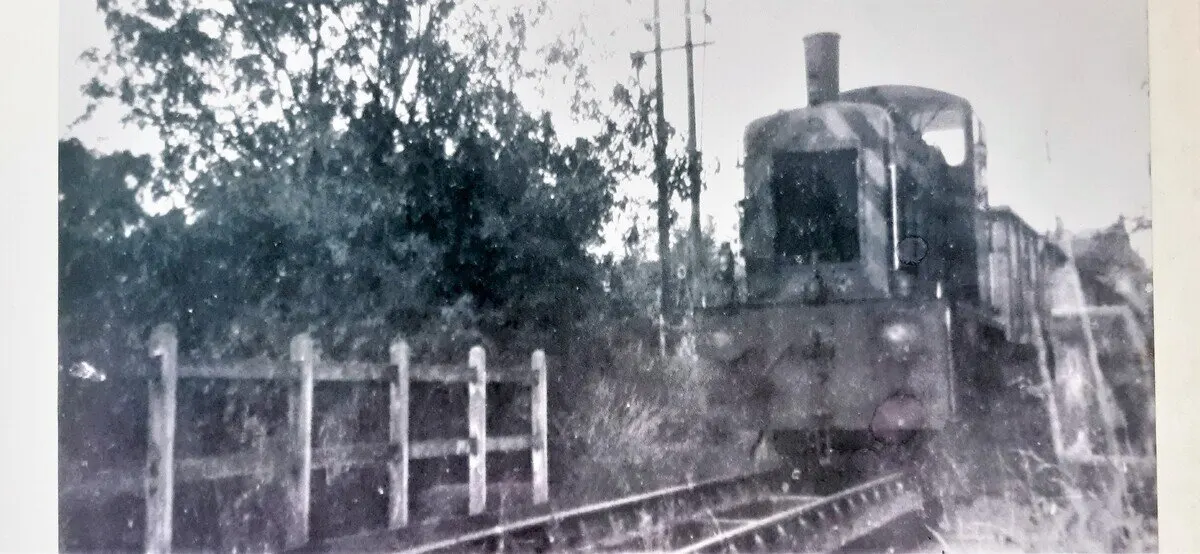
Buckley Line 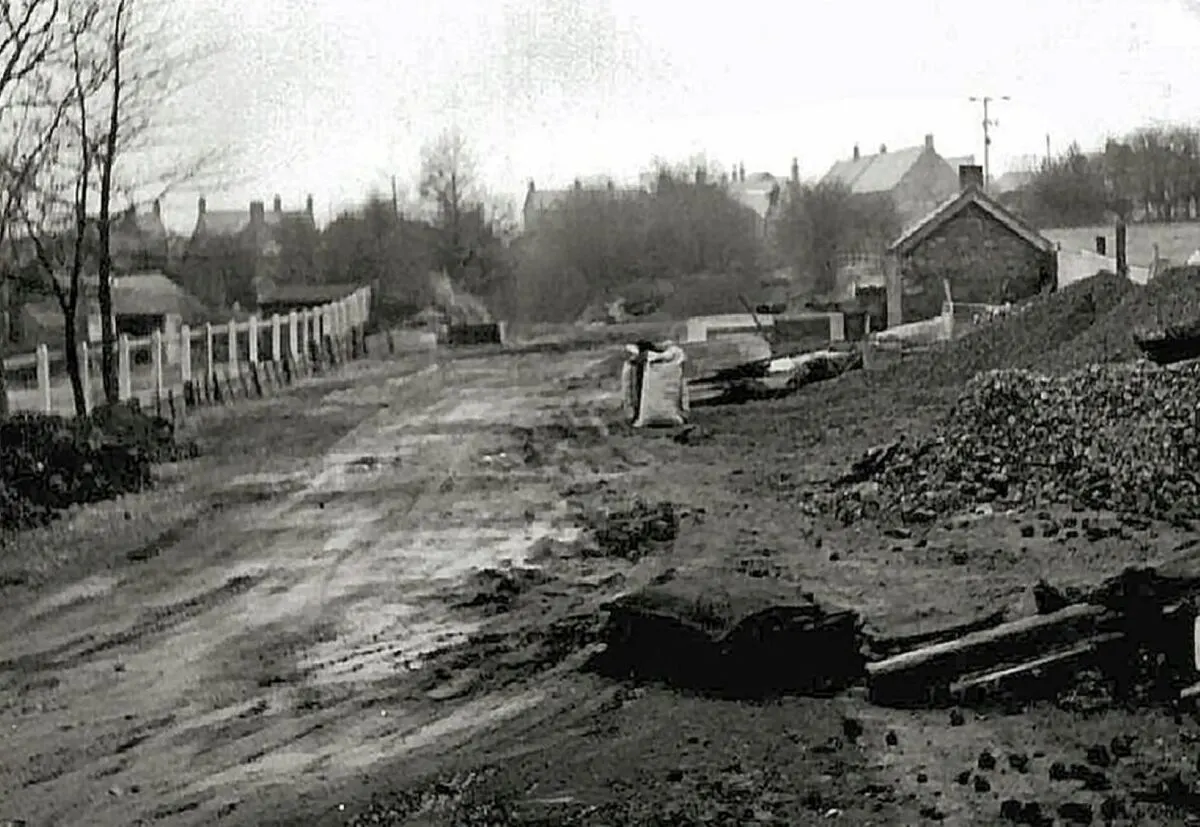
Railway sidings 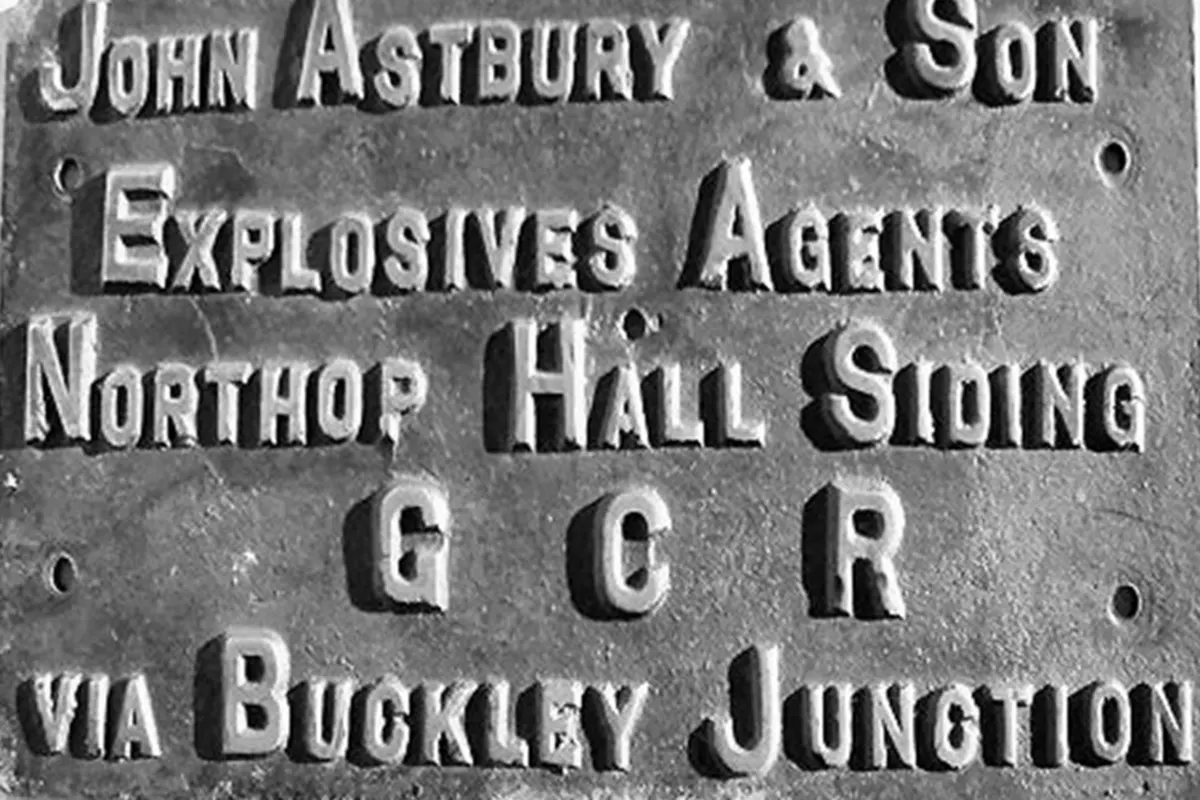
Explosives Agent Plaque 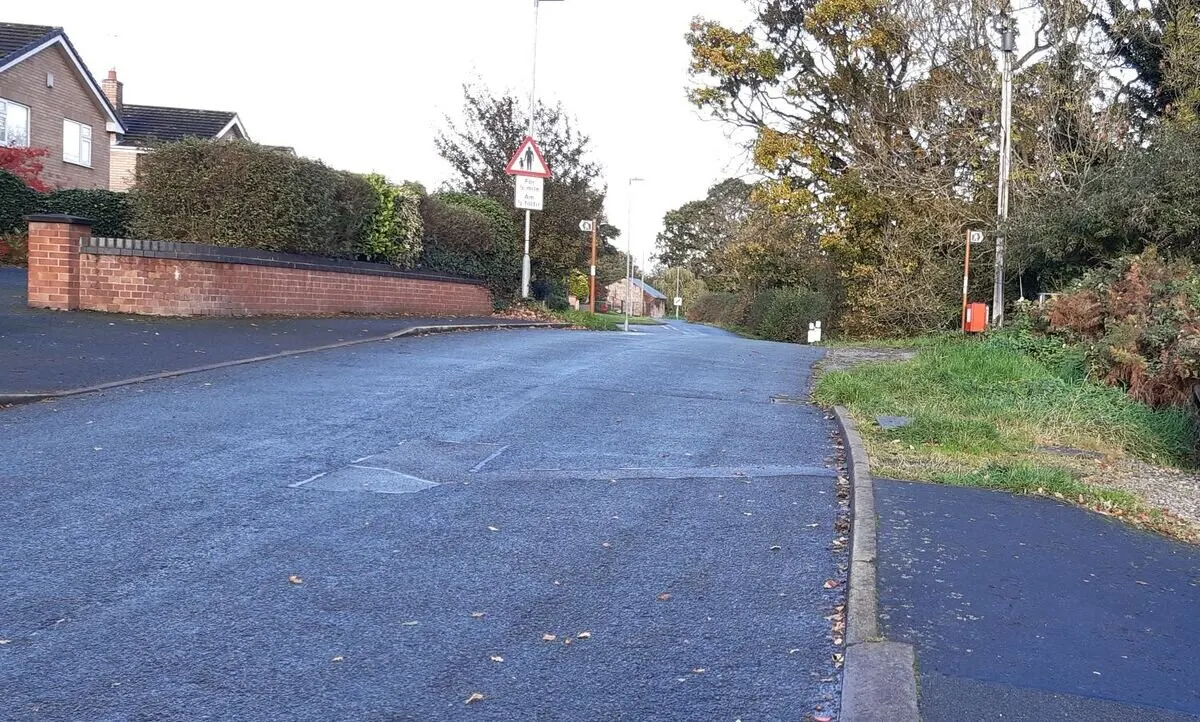
The brow of the hill was the point the railway track crossed Bryn Gwyn Lane. 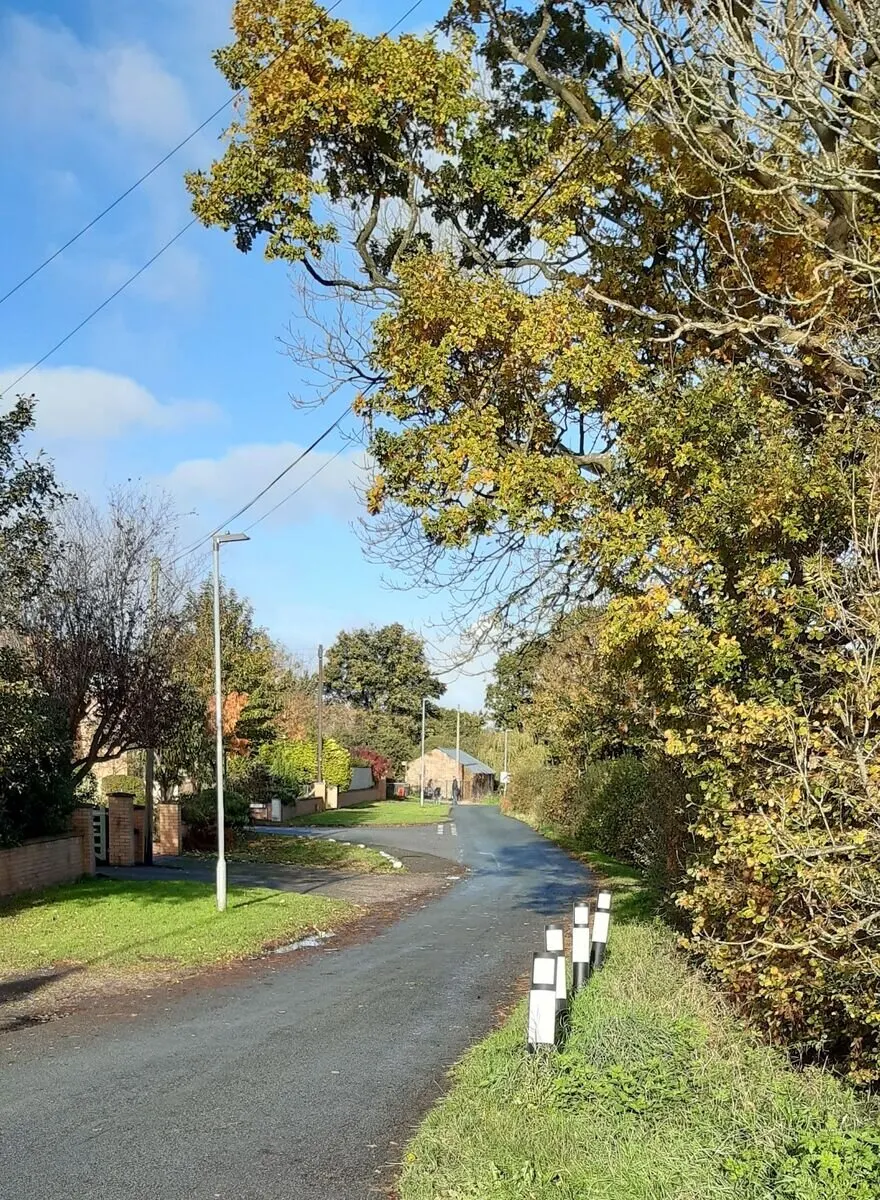
Bryn Gwyn Lane looking towards Bryn Gwyn Farm 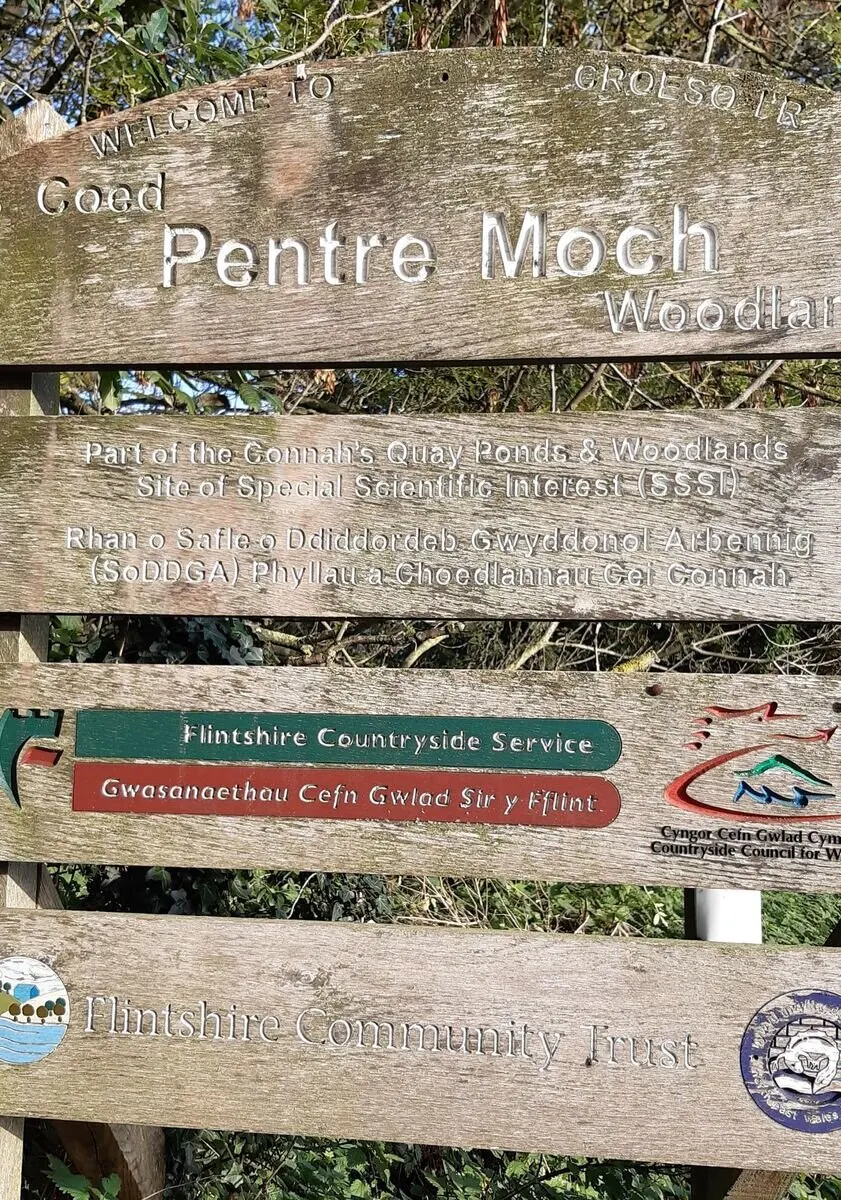
Pentre Moch Woodland Walk 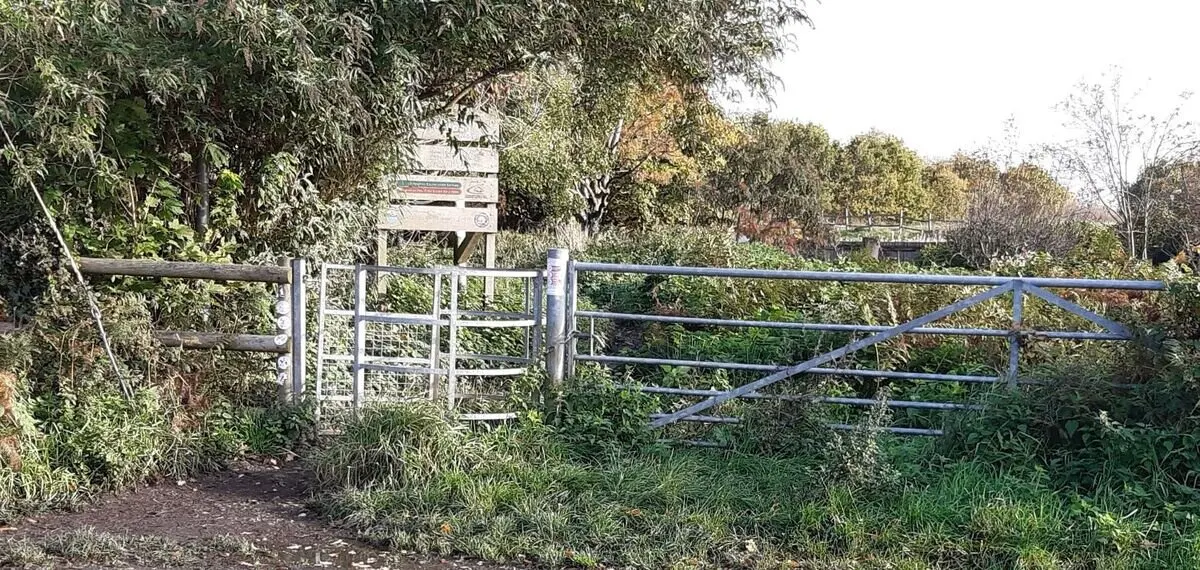
Roure of the Buckley Line now a footpath
The popular Buckley Line footpath is the only remaining legacy of a Railway Line through the village.
In 1798, the Irish Coal Company, reached an agreement with a Mr Hewitt to buy land in the Pentre Moch area of what is now Northop Hall in order to exploit the rich coal seams. In order to transport the coal to Connah's Quay docks, a horse drawn tramway was built by George Connah, landlord of the Quay House. The horses had difficulty with the last steep incline down to the Quay and couldn’t take the strain. The problem was solved by a change from horse power to steam power and the line continued in service until a standard gauge railway was opened in 1862
The London Gazette of 12th November 1859 contained details of a proposed railway to link Buckley to the River Dee at Connhs Quay and to the Chester to Holyhead Main Line. The line ran below the Dublin Main Colliery, under Village Road and across Bryn Gwyn Lane before cutting through farmland to Connahs Quay Docks. Eventually, in 1861 a standard gauge railway, the Wepre Iron Road, was constructed between Buckley, Northop Hall and Connah’s Quay by The Buckley Railway Company. It opened on 16th June 1862.
The line carried pottery, bricks and coal from numerous brickworks and collieries in the Buckley area with the last call being the Northop Hall sidings. From Connah’s Quay Docks, the goods were exported all over the World. Twice a day the steam engine and trucks called at the sidings where coal was delivered to local traders.
The railway line also provided a route for residents to walk to Deeside. It was used by pupils going to secondary school and workers going to the Steelworks and for trips to the cinema and dancing at the Vaughan Hall in Connah’s Quay.
The line ceased its commercial service in 1967 but today remains a popular recreational facility, particularly for country walks.