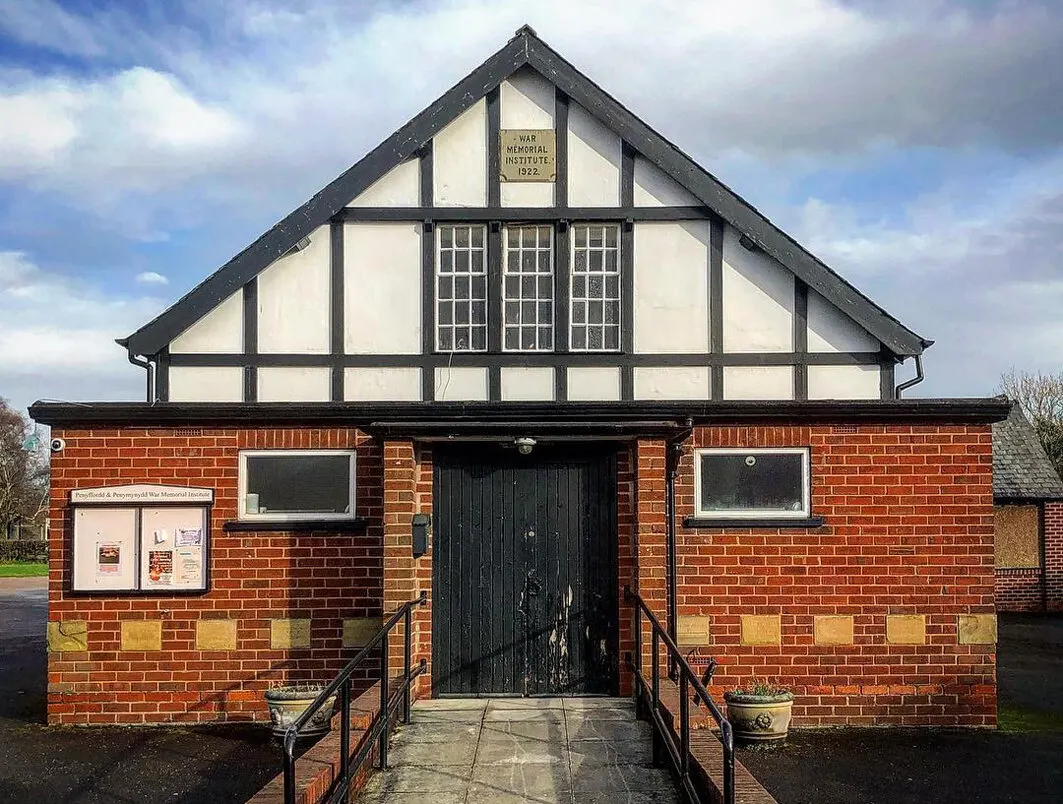
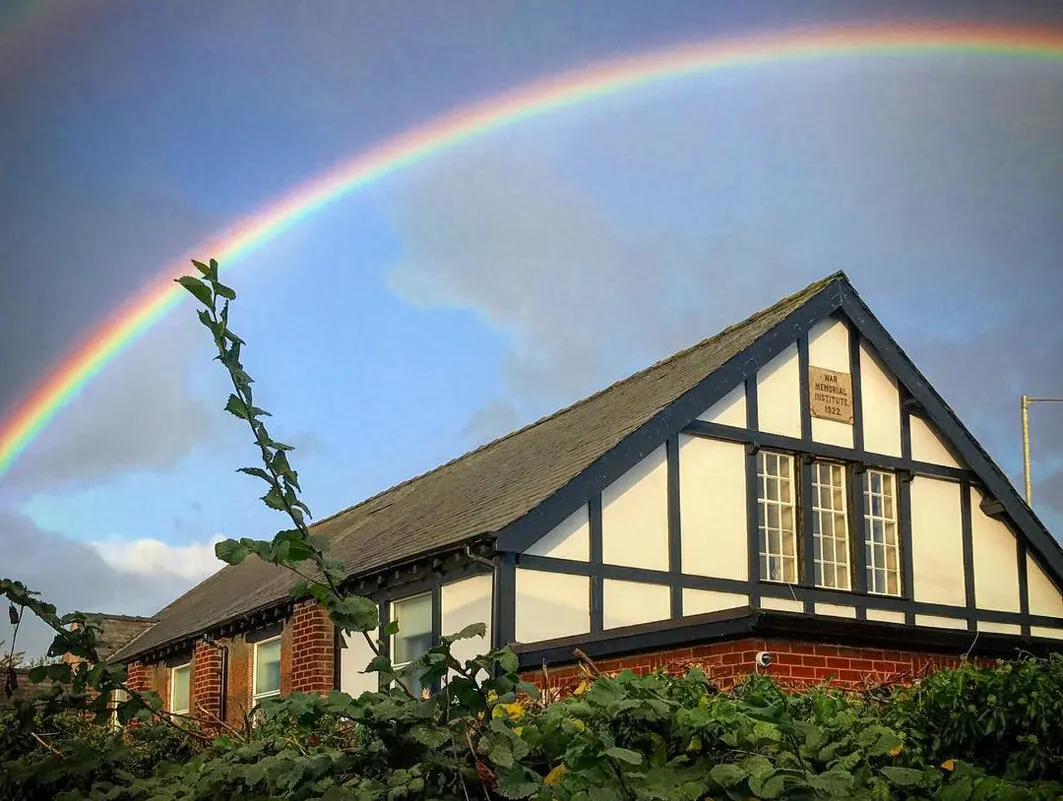

The War Memorial Institute is geographically and emotionally at the heart of the local community as it has been for nearly a century.
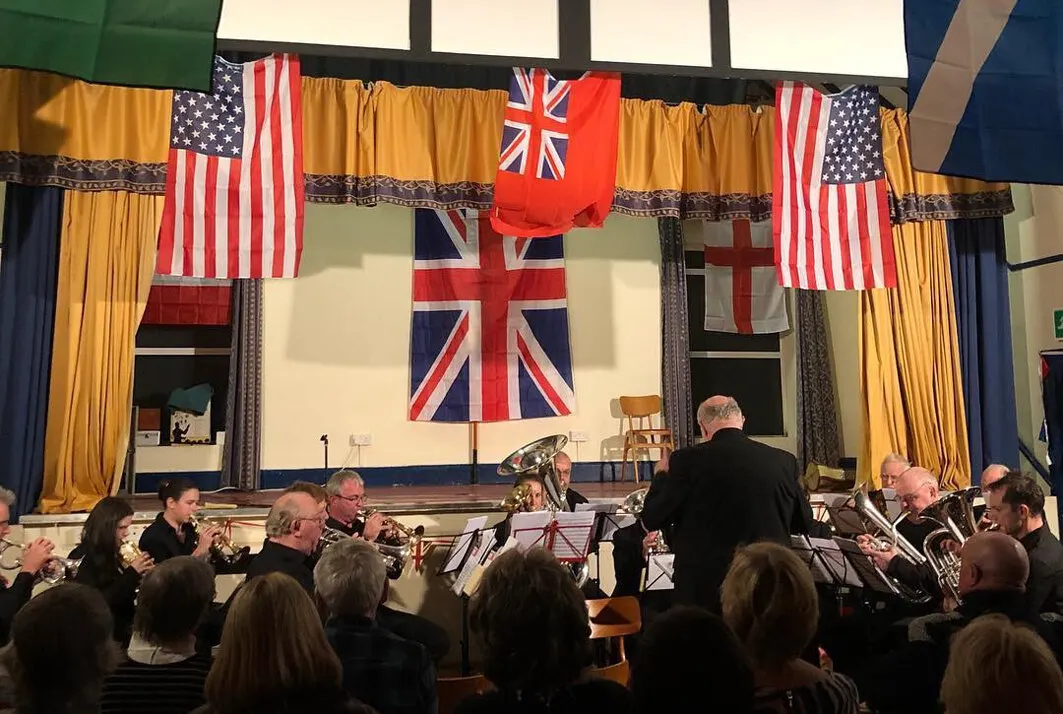
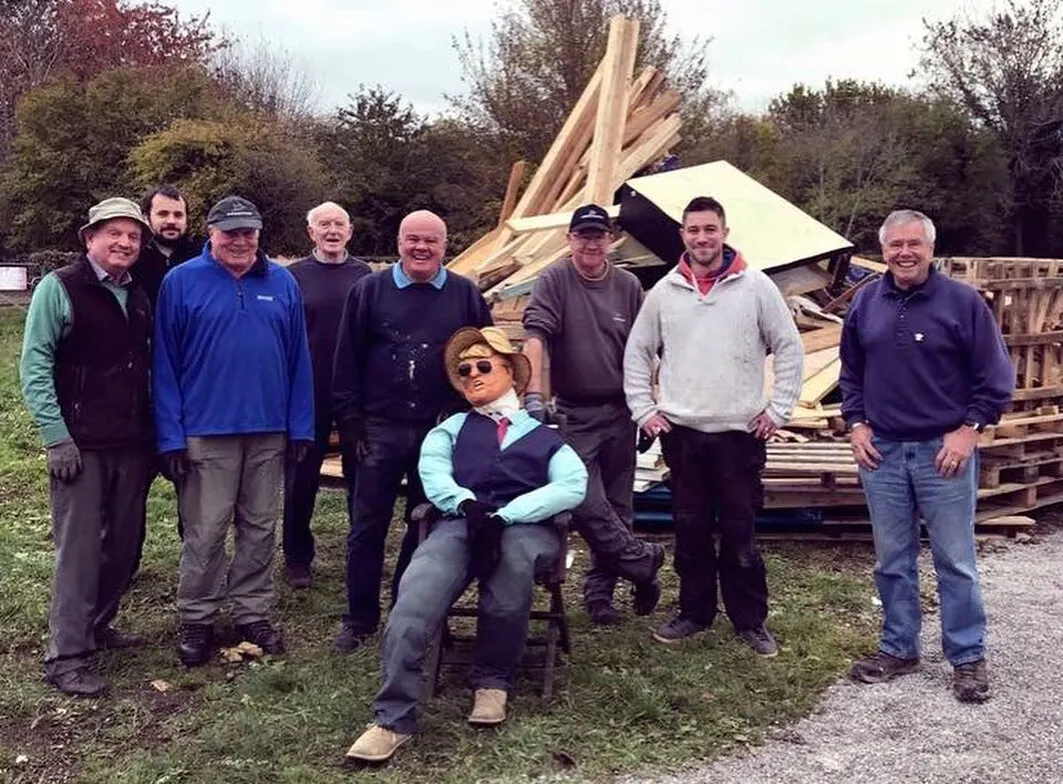
The building of the War Memorial Institute was decided at a meeting held on 28 November 1918 where those present agreed ‘that we should do all in our power to honour the dead and benefit those who came back to us’. This sentiment from the founding members is very much upheld today: whilst the Institute commemorates the men from the district who fell in two world wars, it is a vibrant centre of activity, used by all age groups and a wide diversity of local clubs and organisations. The Institute is also the venue for the annual village carnival and bonfire night celebrations, that are always well supported by the local community.
The land for the Institute was donated by Mr. James Collinge of Kinnerton Lodge and money was raised by public subscription, and a donation of £500 from the Miners Welfare Fund, to meet the cost of £1,400 to complete the Institute building. The foundation stone was laid by H.N Gladstone (Lord Lieutenant of the County) on 16 December 1922. The opening ceremony for the Institute took place on 19 July 1923, during which a marble tablet inscribed with names of ten men from the local community who had fallen during the First World War. During the Second World War the Institute was requisitioned by the Air Ministry but was returned to village use after the end of this conflict. A second ‘Unveiling and Dedication’ ceremony took place on 23 October 1949 to honour twelve men who had fallen during the second war. Both memorial marble tablets are mounted on the walls of the main hall of the Institute and are the focus of attention at the annual Armistice Day commemoration.
The original Institute hall has, over time, been extended and a meeting room and kitchen have been added. Demand for use of the Institute has exceeded capacity in recent years, and so, in 2020 a project to further extend and update the Institute took place, to meet this demand from the growing local population.