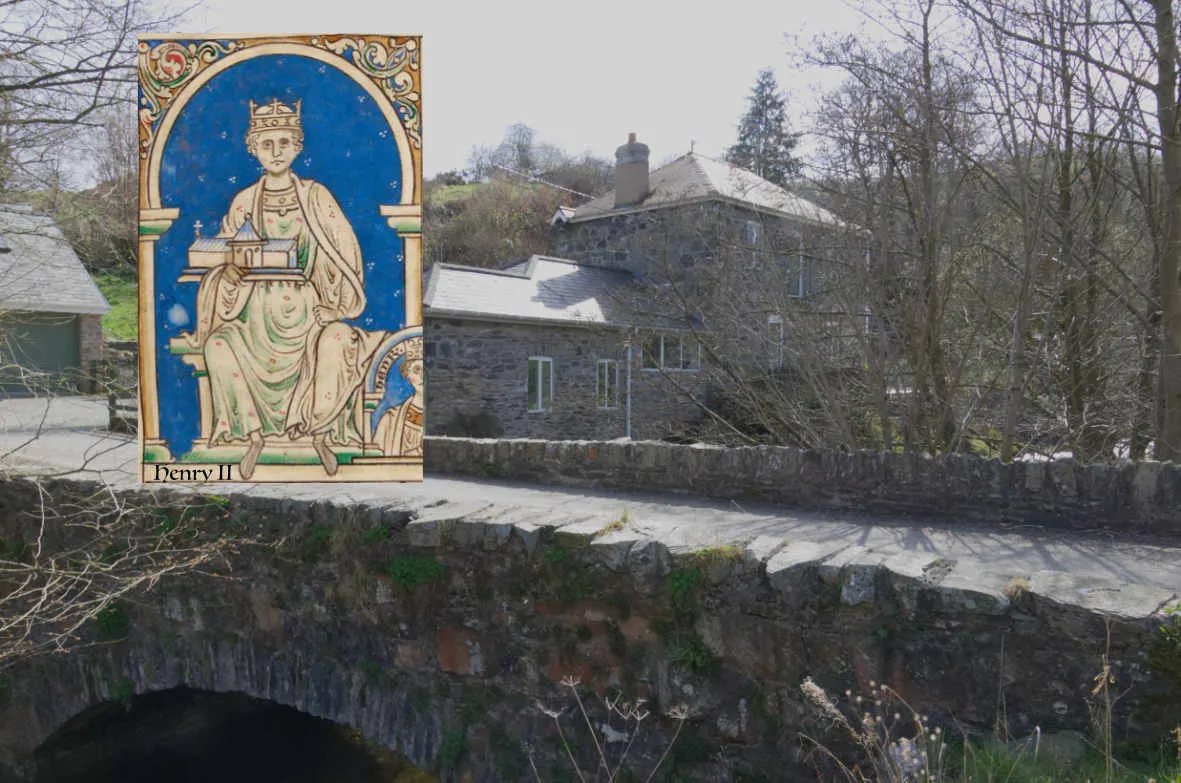
Pont y Meibion
“It is said that the first bridge over the Ceiriog at this spot was made of rough untrimmed trees in 1165. After suffering grave losses at the Battle of Crogen Henry II ventured to cross over towards the Berwyn hills, before he finally decided to return to England. The King was holding two of Owain Gwynedd’s sons, Cadwgan and Cynfrig, as hostages, but in return for a promise of safe passage home to England, Henry agreed to release them. And that, it is said, took place at the spot where the bridge was built, and that is why it has been called ever since, Pont y Meibion (the sons’ bridge).” Robin Gwyndaf
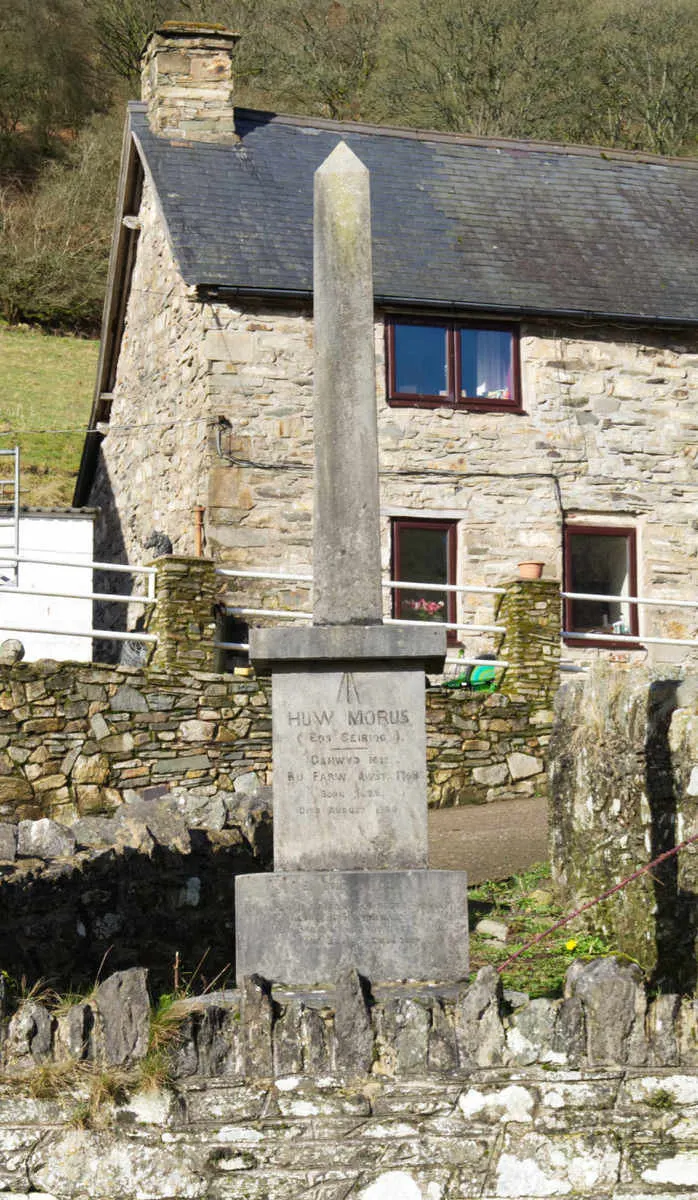
Huw 'Eos' Morus, Poet
Huw Morus, 1622-1709, also known as the ‘nightingale of Ceiriog’ was the most prolific and gifted Welsh poet of the seventeenth century. He moved to Pontymeibion around 1647. He was regarded by his contemporaries as the best poet of his age. He blended words and music and provided an insight into the daily lives of the common people. His ballads written in support of Charles 1 were so evocative that Cromwell sent a detachment to silence him.
A memorial stone commemorates his life in front of his home, Pontymeibion, which is on the B4500 between Pandy and Tregeiriog. On it is carved the ‘awen’ symbol that represents poetic inspiration.
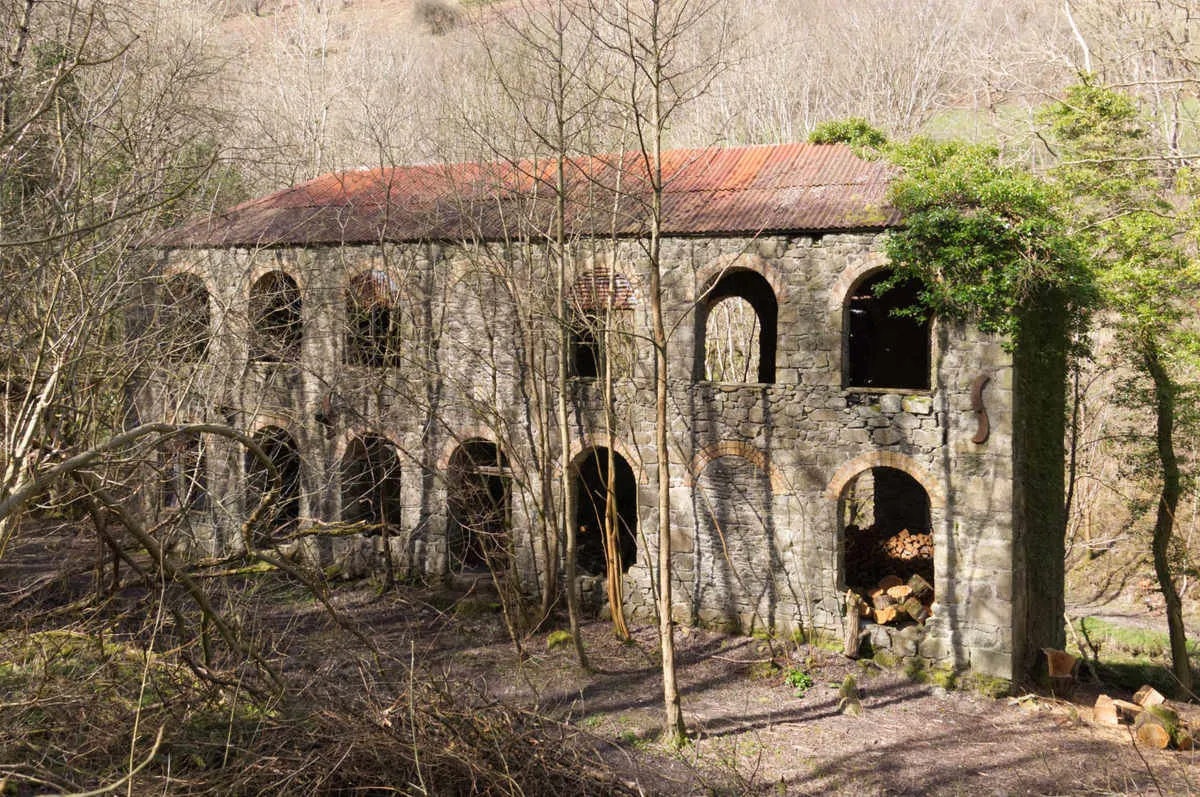
Gunpowder
The Patent Gunpowder Company built a fully equipped works in 1875 and started manufacturing nitrocellulose explosive. Unfortunately, their product was unstable and in 1876 they shipped a quantity of cartridges aboard the Great Queensland bound for Melbourne. The ship blew up with the loss of 69 crew and passengers. The Patent Gunpowder Company was found solely responsible for the tragedy, ceased trading and eventually the Granite Company from Hendre Quarry took over the works and used it for stone crushing.
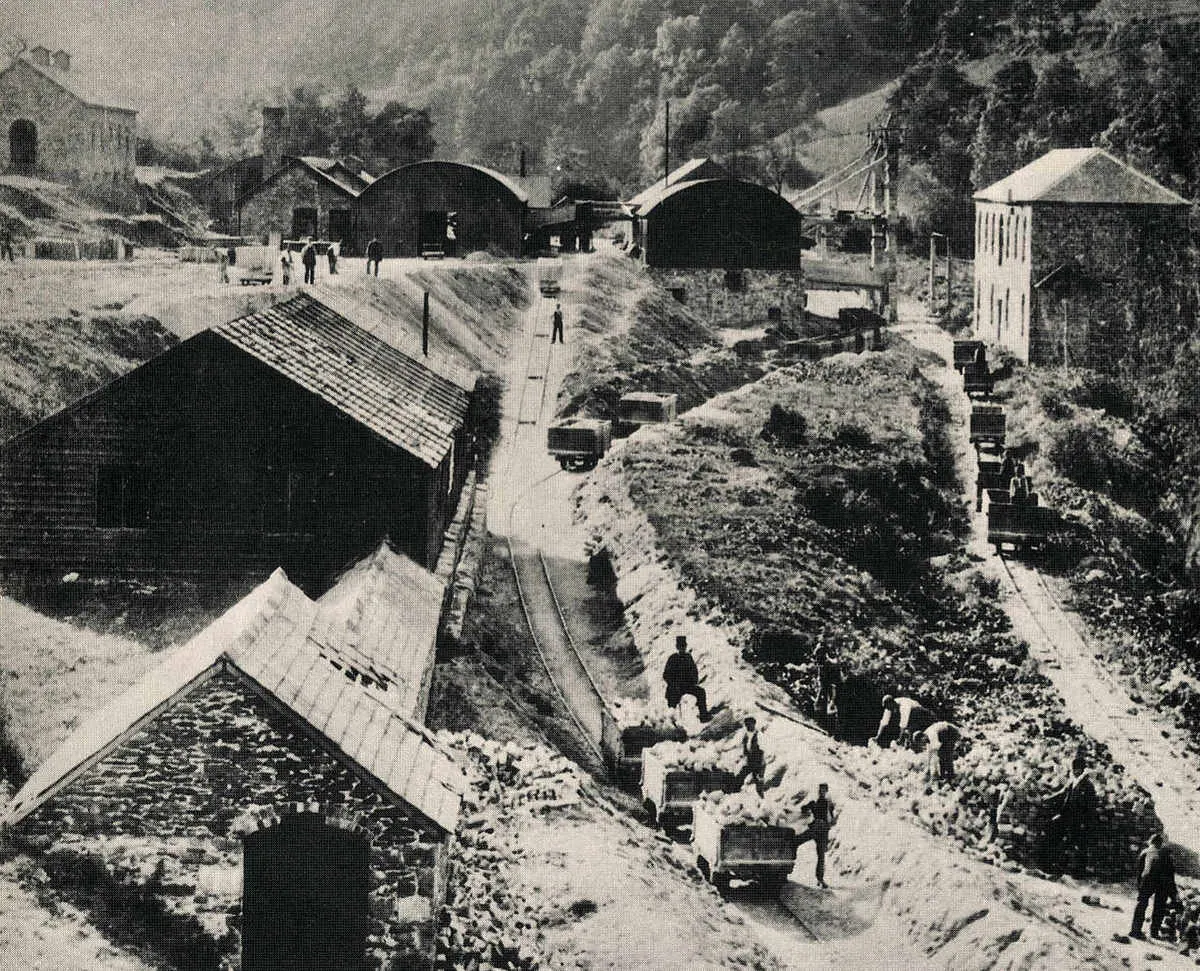
Hendre Quarry Works 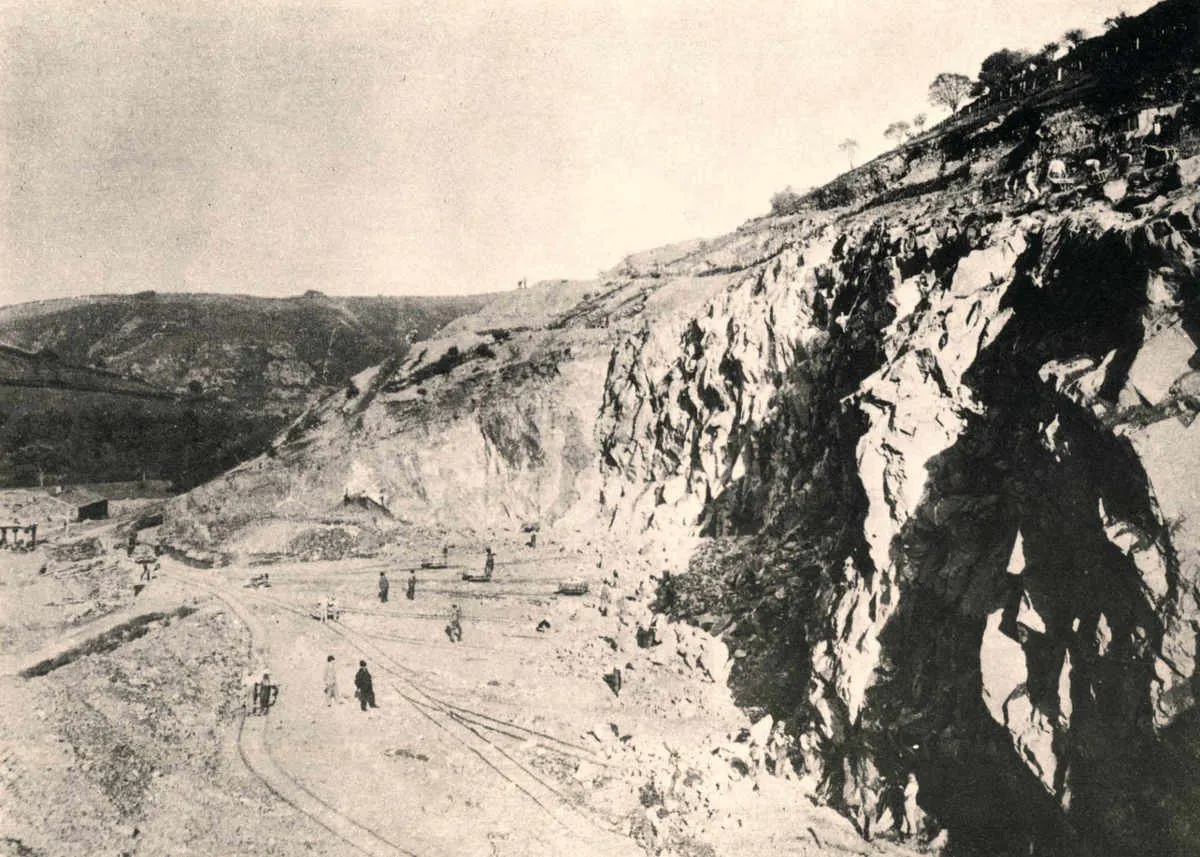
Hendre Quarry face 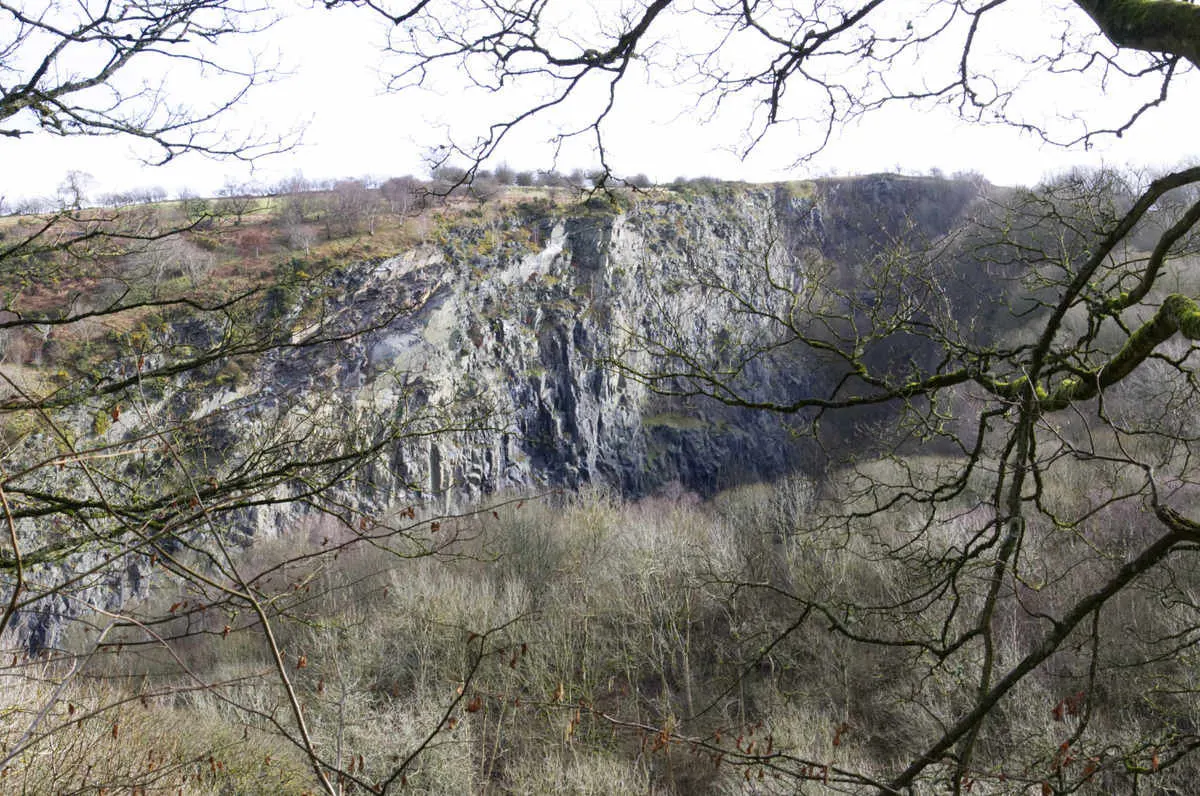
Hendre Quarry now
Hendre Quarry
The quarry at Hendre opened in 1875 to provide crushed granite for use in road construction. In 1882, 10,000 tons of Hendre granite paved the streets of places such as Birmingham, Wolverhampton and Wigan.
The quarry was by far the largest employer in the valley and during its lifetime employed an average of one hundred men at any given time.
Following the extension of the Glyn Valley Tramway up to Hendre and Pandy there were additions to the industry including a blasting powder factory, silica and chinastone works although many lasted only a short time. Hendre quarry was linked to the Lower Pandy quarry by the Glyn Valley Tramway and used its own steam locomotive between the two.
As well as crushed granite the quarry produced tarmacadam for surfacing roads. Tar was transported to the quarry from Chirk and beyond. There was a huge increase in demand for granite from the quarry in 1929 with the construction of the East Lancashire road, however after its completion in 1934 demand dropped off. The quarry closed in 1950.
Slowly, nature has reclaimed the quarry, however it remains a prominent feature of the Ceiriog Valley and a fitting memorial to its industrial heritage.
Glyn Valley Tramway
In 1889 the GVT extension from Glyn Ceiriog to Hendre Quarry was completed. Before then there was a short tramway up a steep incline from the quarry to the valley road (B4500) where granite sets were loaded on to carts. After the extension, the plant and quarry inclines were connected to the tramway. There was a further proposal to extend the tramway up to Tregeiriog, but this was never built.
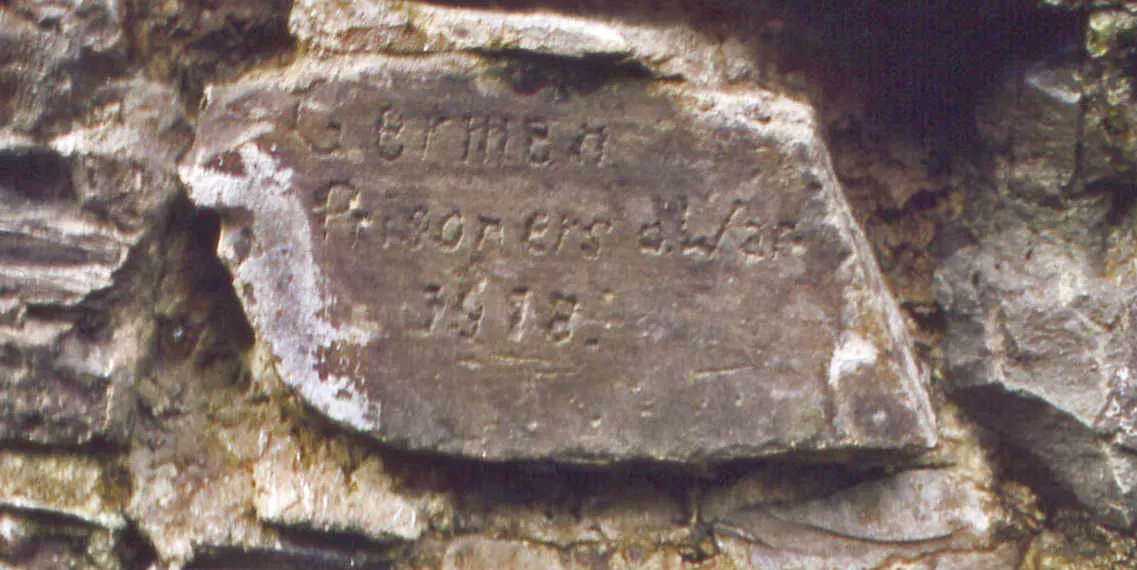
Prisoners of War Camp
A letter of 16th September 1918 from Sir John Hunter KBE, Administrator of Works & Buildings, Air Ministry to a Major Lloyd-Graeme includes a complaint about the levels of work at ‘Ceiriog Stone Camp’ where there were prisoners from Shrewsbury. Local historian Mark Williams notes a work camp at ‘Hendre, Glyn, Chirk’ on a list of camps dated October 1918 and that it closed on 11th November 1918. It is likely that these are one and the same establishment at Hendre granite quarry.
Inscribed on the walls of a bridge which supported the incline from the rock face were the names and dates of German prisoners of war who worked there during the First World War. Unfortunately the remains of the bridge was destroyed in the 1990s in order to bring the wide machinery through that was used for laying water pipes.
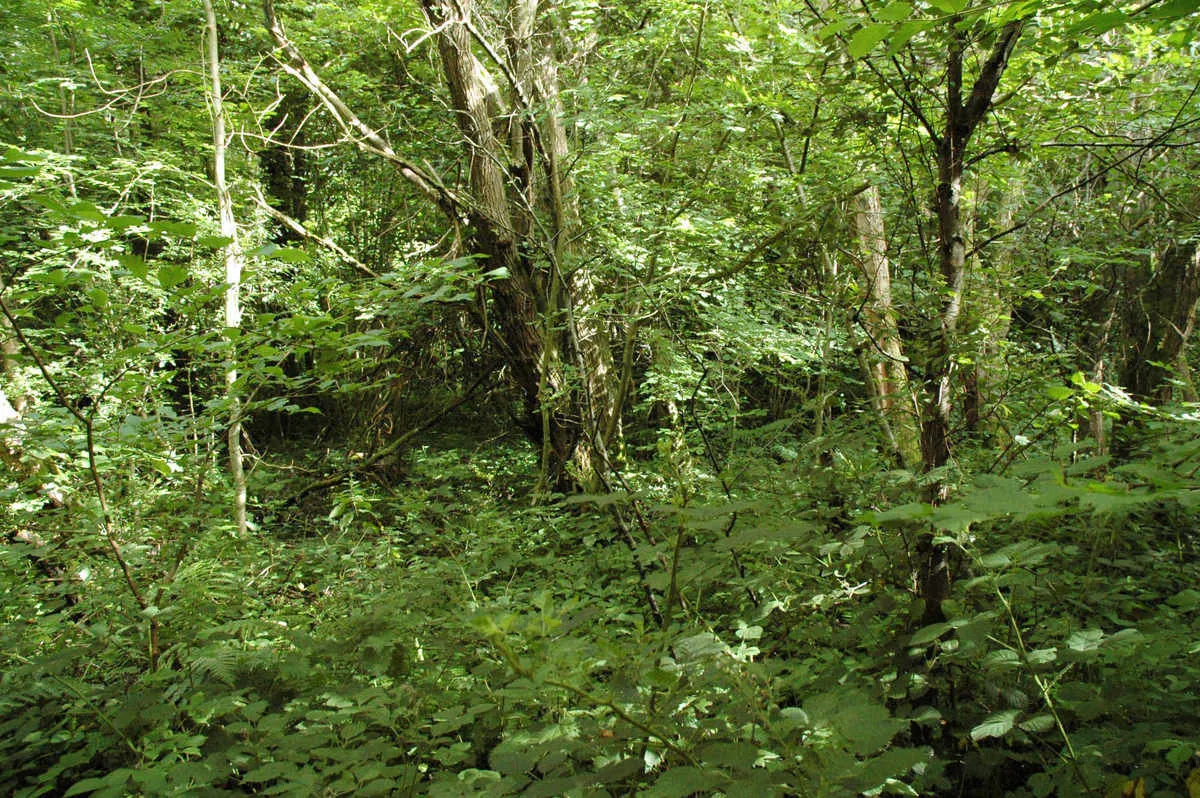
Nature Note
After quarrying ceased this area became colonised by natural vegetation forming a scrubland at first dominated by birch and willow but now supporting mature woodland with more diverse species. The derelict buildings provide roosting habitats for bats and birds.