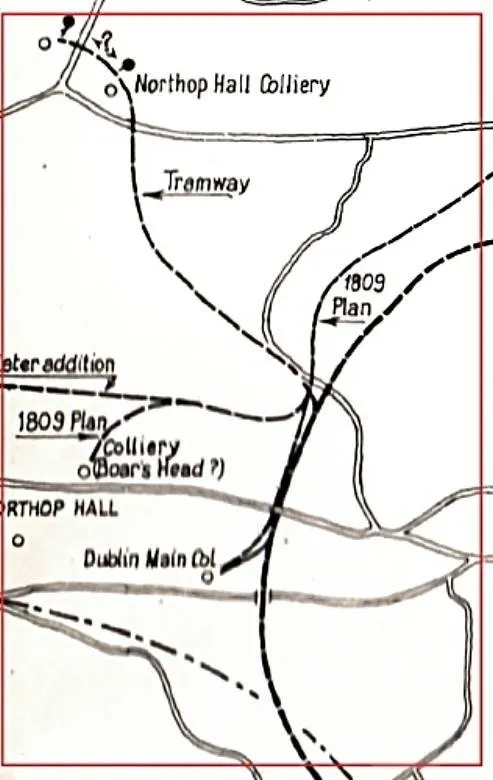
Tramway Map 1809 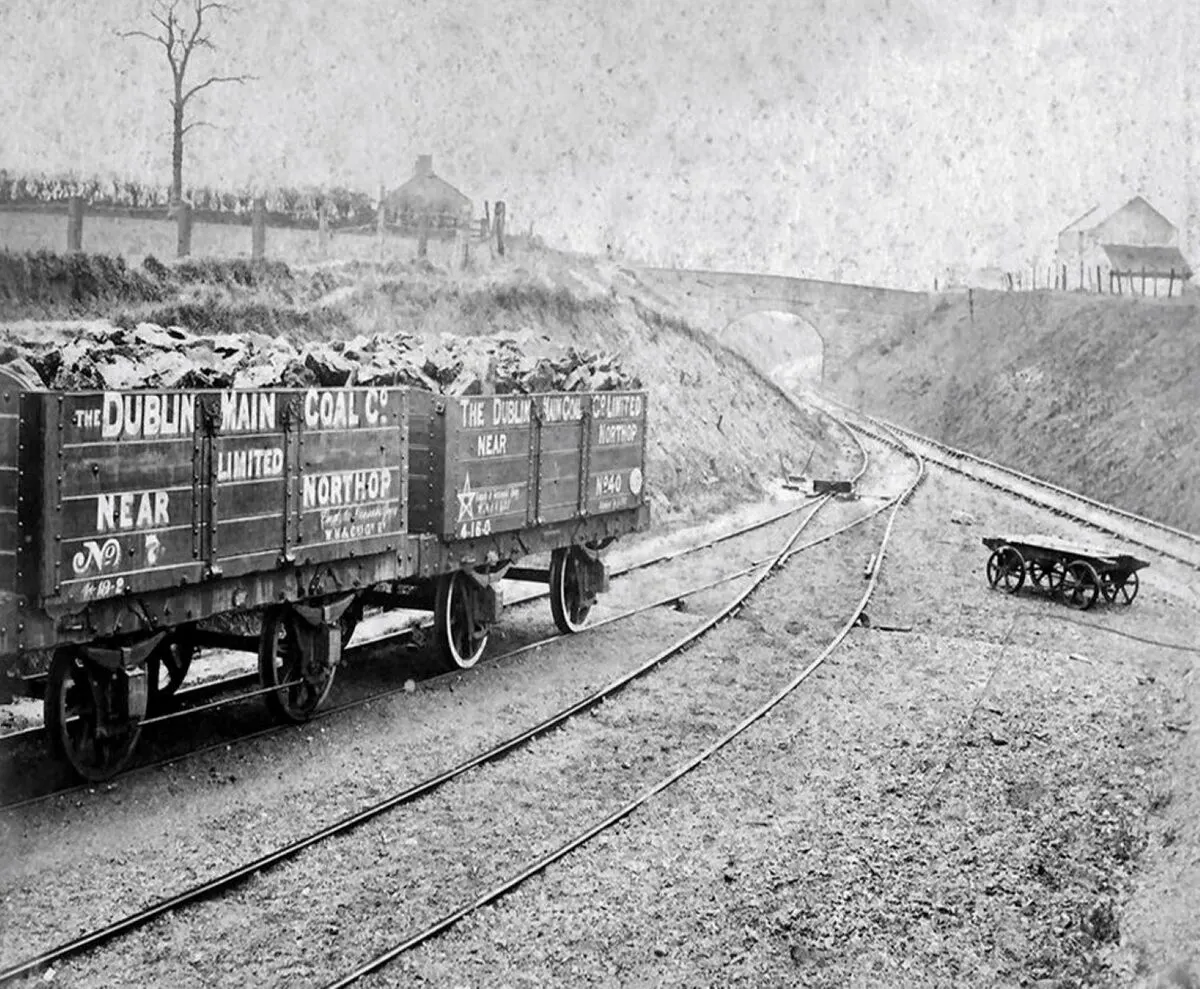
Dublin Main Colliery carriages with tunnel under village road in distance and White Oaks Farm to the right. 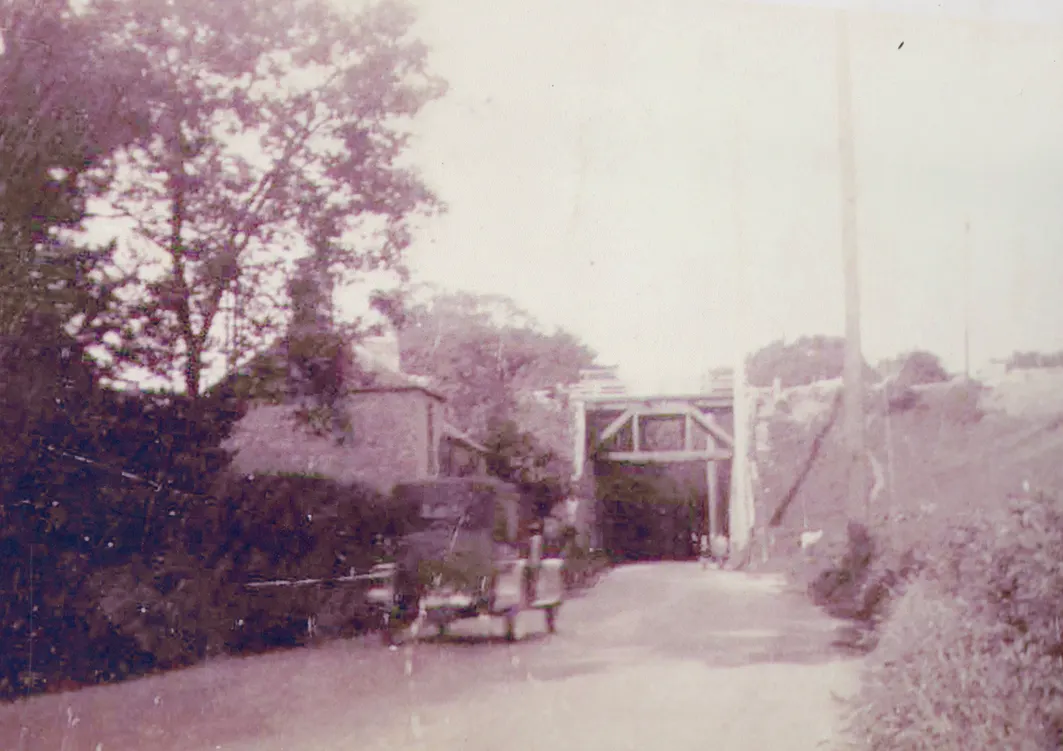
Railway line entering the village via Bridge over old A55 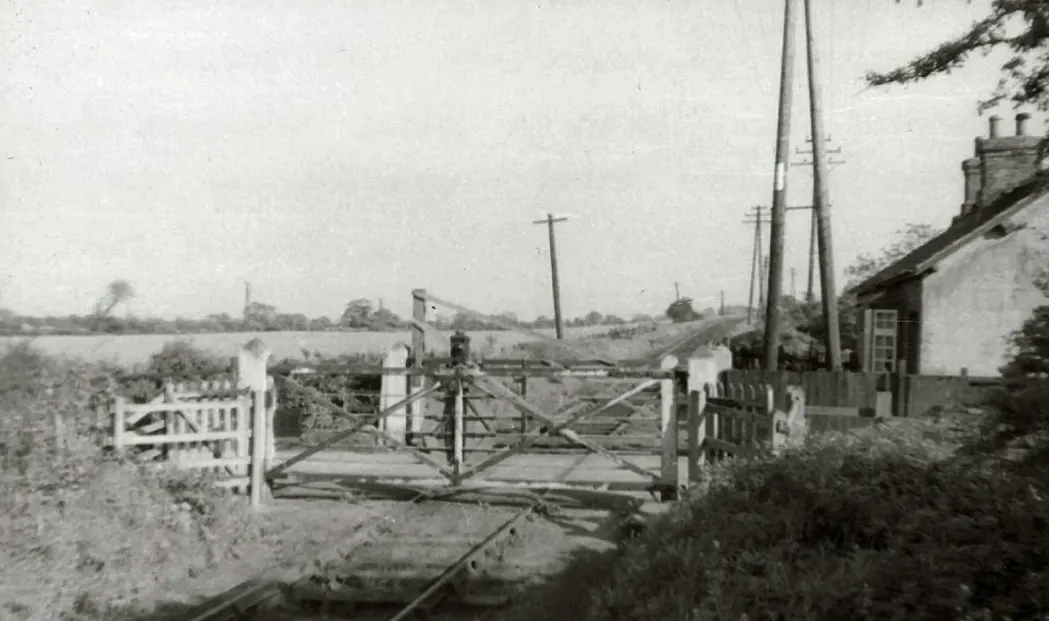
Railway Line at Holly Lodge 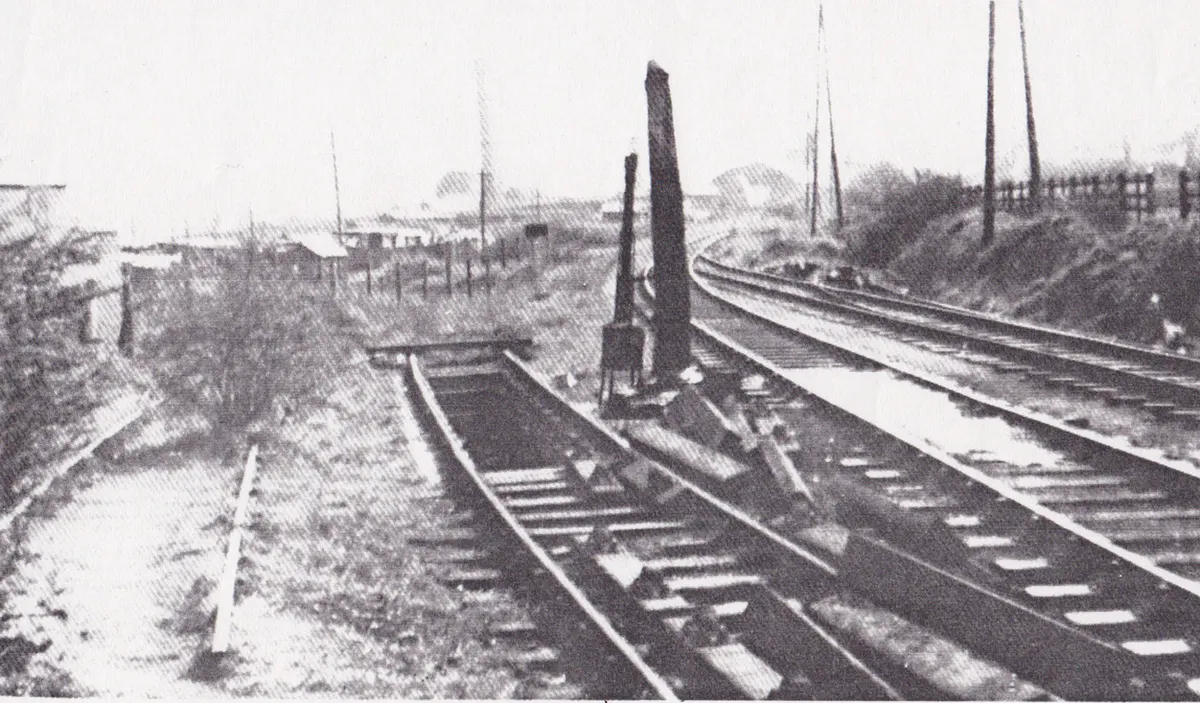
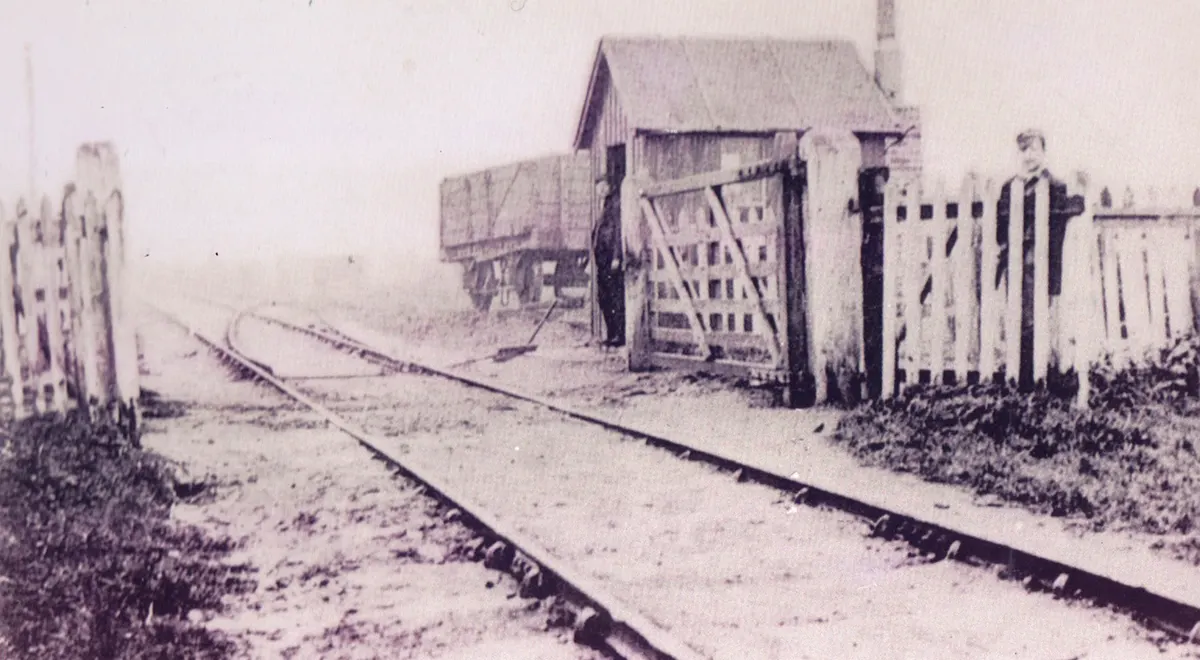
The Box 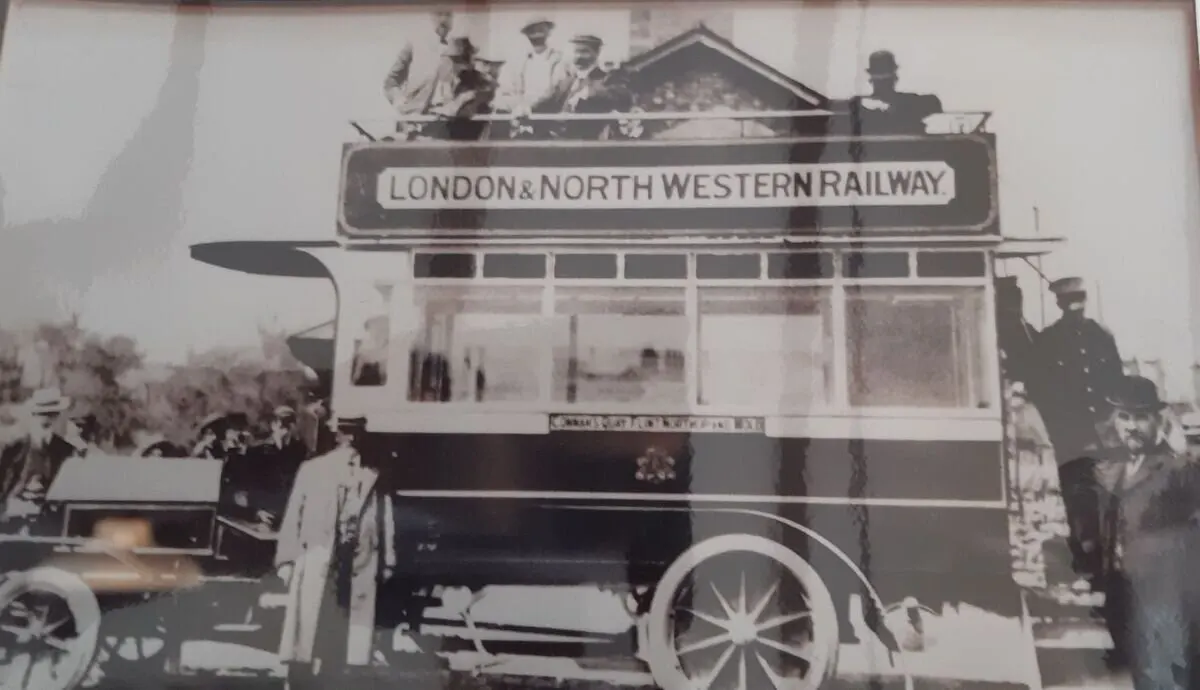
Inscribed on the livery "Connah's Quay, Flint, Northop and Mold"
Bricks, coal and pottery were transported to Connah's Quay Docks and exported all over the world.
Both coal mining and pottery making were practised locally from the late 1200s when the area was described as the pasturage of the Manor of Ewloe. It was the development of these two industries from the 17th Century onwards that attracted people to settle in the area.
The Irish Coal Company, formed in 1798, reached an agreement with a Mr Hewitt for land in the Pentre Moch area in order to exploit the rich coal seams. The coal was taken down to the Quay at Connah's Quay by horse drawn trams. The tramway was built by George Connah Landlord of the Quay House. The horses had difficulty with the last incline down to the Quay. The horses simply couldn’t take the strain. The problem was solved by a change from horse power to steam power.
The London Gazette of 12th November 1859 contained details of a proposed railway to link Buckley up to the River Dee at Connah's Quay and linking up with the Chester to Holyhead Main Line. The line ran below the Dublin Main Colliery down to Bryn Gwyn Lane before cutting through farmland to Connah's Quay Docks. In 1861 a standard gauge railway, the Wepre Iron Road, was constructed between Buckley, Northop Hall and Connah’s Quay by The Buckley Railway Company. It opened on 16th June 1862 sending 30,000 bricks to be shipped out to Connah’s Quay. The line carried bricks and coal from Major Jones’ brickworks, Hancock’s, The Standard, Davison’s Ewloe Wood Works, Catherall’s, Gibson’s, Davison’s Ewloe Hall Works, Parry’s, Castle Fire Brick and collieries at Buckley Mountain and The Elm with the last call the Northop Hall sidings. It was at the Wepre Iron Road and its junction with the dock that the coal from "Little Dublin" was check- weighed before it’s loading on to a waiting vessels. This commercial railway ran until 1967. Twice a day the steam engine and trucks called at the sidings. Here coal was delivered to local traders. The railway line also provided a way for residents to walk to Deeside. It was used by pupils going to secondary school and workers going to the Steelworks and for trips to the cinema and dancing at the Vaughan Hall in Connah's Quay .